















Dog walker character Default walker character

Multiple Categories

Transportation • Medical & Emergencies • People & Relationships • Places and Directions • Grammar

Choose Categories: (Click to add/remove)

🔄 New Shuffle Order
Page 1 of 102 (914 total flash cards)
#1
✈️
Ella ___ a España el año pasado. (viajar - to travel)
👆 Click to reveal answer
#1
✈️
Ella ___ a España el año pasado. (viajar - to travel)
viajó
✓ viajó traveled
💡 Hint: She traveled - Preterite completed action, -AR verb: add -ó for él/ella, accent on last syllable
MEDIUM
wordwalker.ca/flashcards
#2
¿Qué vehículo grande viaja en la nieve?
👆 Click to reveal answer
#2
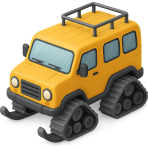
¿Qué vehículo grande viaja en la nieve?
What large vehicle travels in snow?
✓ el autocar de nieve snow coach
💡 Hint: Snow coach - specialized bus for travel on snow and ice
Example: Tomamos el autocar de nieve para visitar el glaciar. We took the snow coach to visit the glacier.
HARD
wordwalker.ca/flashcards
#3
🚪
¡___! (leave/go out - tú command)
👆 Click to reveal answer
#3
🚪
¡___! (leave/go out - tú command)
Leave!/Go out!
✓ Sal Leave/Go out (command)
💡 Hint: Leave!/Go out! - irregular affirmative tú command of "salir"
MEDIUM
wordwalker.ca/flashcards
#4
¿Con qué quitan astillas o suturas?
👆 Click to reveal answer
#4
¿Con qué quitan astillas o suturas?
What do they remove splinters or stitches with?
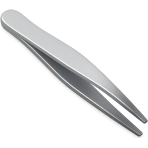
✓ las pinzas the tweezers
💡 Hint: Tweezers - small gripping tool for removing splinters and stitches
Example: El doctor usó las pinzas para sacar la astilla. The doctor used the tweezers to remove the splinter.
MEDIUM
wordwalker.ca/flashcards
#5
¿Qué cono naranja marca áreas peligrosas?
👆 Click to reveal answer
#5
¿Qué cono naranja marca áreas peligrosas?
What orange cone marks dangerous areas?
✓ el cono de tráfico traffic cone
💡 Hint: Traffic cone - orange cone used to mark hazards
Example: Los trabajadores colocaron conos de tráfico alrededor de la construcción. The workers placed traffic cones around the construction.
EASY
wordwalker.ca/flashcards
#6
😲
¡___ ___________! Yo también vivo aquí.
What a coincidence! I live here too.
👆 Click to reveal answer
#6
😲
¡___ ___________! Yo también vivo aquí.
✓ qué casualidad what a coincidence
💡 Hint: What a coincidence! I live here too.
Example: ¡Qué casualidad! Yo también vivo aquí. What a coincidence! I live here too.
MEDIUM
wordwalker.ca/flashcards
#7
🎩
¿Cómo se dice "you" (formal)?
👆 Click to reveal answer
#7
🎩
¿Cómo se dice "you" (formal)?
How do you say 'you' (formal)?
✓ usted you (formal)
💡 Hint: You - formal singular from "vuestra merced" (your mercy), abbreviated Ud., uses 3rd person verbs
MEDIUM
wordwalker.ca/flashcards
#8
¿Qué palabra usas para "tongue"?
👆 Click to reveal answer
#8
¿Qué palabra usas para "tongue"?
What word do you use for "tongue"?
✓ la lengua the tongue
💡 Hint: Tongue - organ for taste and speech
Example: La lengua me ardía por comer algo muy picante. My tongue burned from eating something very spicy.
EASY
wordwalker.ca/flashcards
#9
🚉
¿Dónde tomas el tren?
👆 Click to reveal answer
#9
🚉
¿Dónde tomas el tren?
Where do you catch the train?
✓ la estación de tren the train station
💡 Hint: Train station - has platforms and ticket office, major transport hub
Example: La estación de tren está en el centro de la ciudad. The train station is in the center of the city.
EASY
wordwalker.ca/flashcards

📢 Share These Flash Cards

Help others learn Spanish! Share with friends and family:

🎮 Try the WordWalker Game (Learning Spanish for Kids)