











Dog walker character Default walker character

Multiple Categories

Food and Dining • Accommodation • Grammar • Plants and Animals

Choose Categories: (Click to add/remove)

🔄 New Shuffle Order
Page 1 of 135 (1209 total flash cards)
#1
¿Qué animal marino tiene tentáculos y pica?
👆 Click to reveal answer
#1
¿Qué animal marino tiene tentáculos y pica?
What marine animal has tentacles and stings?
✓ la medusa the jellyfish
💡 Hint: Jellyfish - translucent marine animal, stinging tentacles, drifts with currents
EASY
wordwalker.ca/flashcards
#2
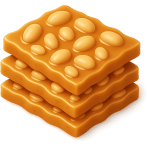
¿Qué dulce crujiente tiene cacahuates?
👆 Click to reveal answer
#2
¿Qué dulce crujiente tiene cacahuates?
What crunchy candy has peanuts?
✓ el turrón de cacahuate the peanut brittle
💡 Hint: Hard candy made with peanuts in caramelized sugar
Example: Rompo el turrón de cacahuate duro en pedazos pequeños para comer. I break the hard peanut brittle into small pieces to eat.
MEDIUM
wordwalker.ca/flashcards
#3
¿Qué nuez usas en brownies?
👆 Click to reveal answer
#3
¿Qué nuez usas en brownies?
What nut do you use in brownies?
✓ las nueces the walnuts
💡 Hint: Brain-shaped nut often added to baked goods
Example: Añado las nueces picadas a la masa de brownies de chocolate. I add chopped walnuts to the chocolate brownie batter.
MEDIUM
wordwalker.ca/flashcards
#4
😴
Tú ___ cansado. (to be/condition)
👆 Click to reveal answer
#4
😴
Tú ___ cansado. (to be/condition)
You are tired.
✓ estás you are
💡 Hint: You are - ESTAR for temporary condition/emotion, "cansado" is temporary state not personality
MEDIUM
wordwalker.ca/flashcards
#5
🥢
¿Con qué palitos comes comida asiática?
👆 Click to reveal answer
#5
🥢
¿Con qué palitos comes comida asiática?
What sticks do you eat Asian food with?
✓ los palillos the chopsticks
💡 Hint: Chopsticks - "palillos" or "palillos chinos
Example: Uso los palillos para comer sushi en el restaurante japonés. I use the chopsticks to eat sushi at the Japanese restaurant.
EASY
wordwalker.ca/flashcards
#6
🪟
¿Por dónde entra la luz del sol?
👆 Click to reveal answer
#6
🪟
¿Por dónde entra la luz del sol?
Where does sunlight come in?
✓ ventana window
💡 Hint: Window - lets in light and air, "ventana" from Latin "ventus" (wind)
Example: Abrí la ventana para que entrara aire fresco en la habitación. I opened the window to let fresh air into the room.
EASY
wordwalker.ca/flashcards
#7
¿Qué parte de la casa está bajo tierra?
👆 Click to reveal answer
#7
¿Qué parte de la casa está bajo tierra?
What part of the house is underground?
✓ el sótano the basement
💡 Hint: Basement - floor of a building that is partly or entirely below ground level
Example: Guardamos las cajas viejas en el sótano de la casa. We store old boxes in the basement of the house.
MEDIUM
wordwalker.ca/flashcards
#8
😲
¡____ __! Eso no puede ser.
Come on! That can't be true.
👆 Click to reveal answer
#8
😲
¡____ __! Eso no puede ser.
✓ anda ya come on / no way
💡 Hint: Come on! That can't be true.
Example: ¡Anda ya! Eso no puede ser. Come on! That can't be true.
MEDIUM
wordwalker.ca/flashcards
#9
¿Qué le pones al pan?
👆 Click to reveal answer
#9
¿Qué le pones al pan?
What do you put on bread?
✓ la mantequilla the butter
💡 Hint: Butter - spread for bread
Example: Unto la mantequilla suave en el pan recién horneado. I spread the soft butter on the freshly baked bread.
MEDIUM
wordwalker.ca/flashcards

📢 Share These Flash Cards

Help others learn Spanish! Share with friends and family:

🎮 Try the WordWalker Game (Learning Spanish for Kids)