













Dog walker character Default walker character

Multiple Categories

Places and Directions • Medical & Emergencies • Greetings & Conversations • Accommodation

Choose Categories: (Click to add/remove)

🔄 New Shuffle Order
Page 1 of 52 (462 total flash cards)
#1
⏸️
¿Cómo dices "wait"?
👆 Click to reveal answer
#1
⏸️
¿Cómo dices "wait"?
✓ espera wait
💡 Hint: Wait - command from "esperar" (to wait/hope), "espere" formal, "un momento" (one moment) polite
Example: ¡Espera! Olvidaste tu mochila. Wait! You forgot your backpack.
MEDIUM
wordwalker.ca/flashcards
#2
🗨️
¿Cómo preguntas "what's up?"
👆 Click to reveal answer
#2
🗨️
¿Cómo preguntas "what's up?"
✓ ¿qué tal? what's up?
💡 Hint: What's up? - casual greeting, literally "what such?
Example: ¡Hola! ¿Qué tal? ¿Todo bien? Hello! What's up? Everything good?
EASY
wordwalker.ca/flashcards
#3
👀
¿Cómo dices "see you later"?
👆 Click to reveal answer
#3
👀
¿Cómo dices "see you later"?
✓ nos vemos see you later
💡 Hint: See you later - "nos vemos" (we see each other), very casual common farewell
Example: Nos vemos después, tengo que irme. See you later, I have to go.
EASY
wordwalker.ca/flashcards
#4
🤕
¿Qué tiene la persona?
👆 Click to reveal answer
#4
🤕
¿Qué tiene la persona?
What does the person have?
✓ la herida the wound
💡 Hint: Wound - injury breaking skin, from Latin "ferire" (to strike)
Example: La herida necesita puntos para cerrar correctamente. The wound needs stitches to close properly.
MEDIUM
wordwalker.ca/flashcards
#5
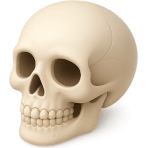
¿Qué hueso protege el cerebro?
👆 Click to reveal answer
#5
¿Qué hueso protege el cerebro?
What bone protects the brain?
✓ el cráneo the skull
💡 Hint: Skull - bones of the head, "calavera" is colloquial
Example: El cráneo protege el cerebro de golpes fuertes. The skull protects the brain from strong blows.
MEDIUM
wordwalker.ca/flashcards
#6
🩺
¿Con qué escucha el doctor tu corazón?
👆 Click to reveal answer
#6
🩺
¿Con qué escucha el doctor tu corazón?
What does the doctor listen to your heart with?
✓ el estetoscopio the stethoscope
💡 Hint: Stethoscope - listens to heart/lungs, from Greek "stethos" (chest) + "skopein" (examine)
Example: El doctor usó el estetoscopio para escuchar mis pulmones. The doctor used the stethoscope to listen to my lungs.
HARD
wordwalker.ca/flashcards
#7
🤢
¿Cómo dices "I feel sick"?
👆 Click to reveal answer
#7
🤢
¿Cómo dices "I feel sick"?
✓ me siento mal I feel sick
💡 Hint: I feel sick - "sentirse mal" (to feel bad), "estar enfermo" also works but means specifically ill
Example: Me siento mal, creo que tengo fiebre. I feel sick, I think I have a fever.
MEDIUM
wordwalker.ca/flashcards
#8
👋
¿Cómo dices "goodbye"?
👆 Click to reveal answer
#8
👋
¿Cómo dices "goodbye"?
✓ adiós goodbye
💡 Hint: Goodbye - literally "to God" (a + Dios), permanent farewell, "chau" more casual
Example: Adiós, fue un placer conocerte. Goodbye, it was a pleasure to meet you.
EASY
wordwalker.ca/flashcards
#9
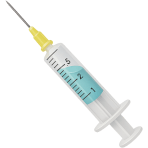
¿Qué instrumento se usa para inyectar?
👆 Click to reveal answer
#9
¿Qué instrumento se usa para inyectar?
What instrument is used to inject?
✓ la jeringa the syringe
💡 Hint: Syringe - medical device with needle for injections, "jeringuilla" in Spain
Example: La enfermera preparó la jeringa para la vacuna. The nurse prepared the syringe for the vaccine.
MEDIUM
wordwalker.ca/flashcards

📢 Share These Flash Cards

Help others learn Spanish! Share with friends and family:

🎮 Try the WordWalker Game (Learning Spanish for Kids)