












Dog walker character Default walker character

Multiple Categories

Transportation • Plants and Animals • Greetings & Conversations • Medical & Emergencies • Work and Business

Choose Categories: (Click to add/remove)

🔄 New Shuffle Order
Page 1 of 88 (785 total flash cards)
#1
💪
¿Cómo dices "I feel strong"?
👆 Click to reveal answer
#1
💪
¿Cómo dices "I feel strong"?
✓ me siento fuerte I feel strong
💡 Hint: I feel strong - "sentirse fuerte" (to feel strong), temporary feeling, "ser fuerte" is permanent characteristic
Example: Me siento fuerte después de entrenar. I feel strong after working out.
MEDIUM
wordwalker.ca/flashcards
#2
🐓
¿Cómo se llama el pollo macho que canta por la mañana?
👆 Click to reveal answer
#2
🐓
¿Cómo se llama el pollo macho que canta por la mañana?
What is the male chicken that crows in the morning called?
✓ el gallo the rooster
💡 Hint: Rooster - male chicken, crows at dawn, has colorful feathers
EASY
wordwalker.ca/flashcards
#3
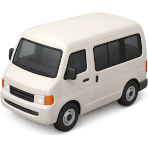
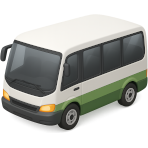
¿Qué vehículo pequeño transporta grupos de personas?
👆 Click to reveal answer
#3
¿Qué vehículo pequeño transporta grupos de personas?
What small vehicle transports groups of people?
✓ el minibús the minibus
💡 Hint: Minibus - small bus for groups, smaller than regular bus
Example: El minibús lleva a los turistas al hotel. The minibus takes tourists to the hotel.
MEDIUM
wordwalker.ca/flashcards
#4
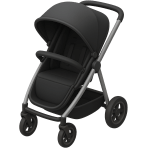
¿En qué empujas a un bebé cuando caminas?
👆 Click to reveal answer
#4
¿En qué empujas a un bebé cuando caminas?
What do you push a baby in when you walk?
✓ el cochecito the stroller
💡 Hint: Stroller - wheeled vehicle for pushing babies and toddlers
Example: Salgo a caminar con mi bebé en el cochecito todos los días. I go for a walk with my baby in the stroller every day.
EASY
wordwalker.ca/flashcards
#5
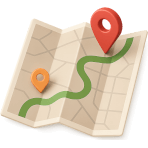
¿Qué usas para encontrar direcciones cuando viajas?
👆 Click to reveal answer
#5
¿Qué usas para encontrar direcciones cuando viajas?
What do you use to find directions when traveling?
✓ el mapa the map
💡 Hint: Map - shows locations and routes, paper or digital
Example: Consulto el mapa para encontrar la dirección correcta. I consult the map to find the correct address.
EASY
wordwalker.ca/flashcards
#6
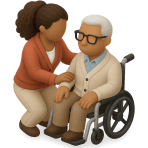
¿Quién cuida a personas enfermas o ancianas?
👆 Click to reveal answer
#6
¿Quién cuida a personas enfermas o ancianas?
Who cares for sick or elderly people?
✓ el cuidador the caregiver (male)
💡 Hint: Caregiver - provides care for sick or elderly, "cuidadora" for female
Example: El cuidador ayudó a su abuelo con las tareas diarias. The caregiver helped his grandfather with daily tasks.
MEDIUM
wordwalker.ca/flashcards
#7
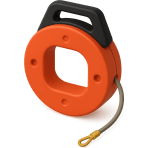
¿Con qué cinta flexible pasan los electricistas cables por conductos?
👆 Click to reveal answer
#7
¿Con qué cinta flexible pasan los electricistas cables por conductos?
What flexible tape do electricians use to pull cables through conduits?
✓ la cinta pescacables the fish tape
💡 Hint: Stiff wire or tape electricians push through pipes to guide wires
Example: Usa la cinta pescacables para pasar el cable por el conducto. Use the electrician's fish tape to pull the cable through the conduit.
HARD
wordwalker.ca/flashcards
#8
💺
¿Dónde te sientas en el autobús?
👆 Click to reveal answer
#8
💺
¿Dónde te sientas en el autobús?
Where do you sit on the bus?
✓ el asiento the seat
💡 Hint: Seat - from "asentar" (to settle/sit down), "silla" for chair
Example: Encontré un asiento libre cerca de la ventana. I found a free seat near the window.
EASY
wordwalker.ca/flashcards
#9
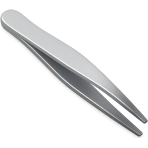
¿Con qué quitan astillas o suturas?
👆 Click to reveal answer
#9
¿Con qué quitan astillas o suturas?
What do they remove splinters or stitches with?
✓ las pinzas the tweezers
💡 Hint: Tweezers - small gripping tool for removing splinters and stitches
Example: El doctor usó las pinzas para sacar la astilla. The doctor used the tweezers to remove the splinter.
MEDIUM
wordwalker.ca/flashcards

📢 Share These Flash Cards

Help others learn Spanish! Share with friends and family:

🎮 Try the WordWalker Game (Learning Spanish for Kids)