











Dog walker character Default walker character

Multiple Categories

Transportation • People & Relationships • Medical & Emergencies • Entertainment • Weather & Environment • Grammar

Choose Categories: (Click to add/remove)

🔄 New Shuffle Order
Page 1 of 123 (1107 total flash cards)
#1
🎭
¿Qué obra de teatro es muy triste?
👆 Click to reveal answer
#1
🎭
¿Qué obra de teatro es muy triste?
What play is very sad?
✓ la tragedia the tragedy
💡 Hint: Tragedy - sad dramatic play, Greek origin with unhappy ending
Example: Romeo y Julieta de Shakespeare es la tragedia más famosa del mundo. Shakespeare's Romeo and Juliet is the most famous tragedy in the world.
MEDIUM
wordwalker.ca/flashcards
#2
Me gusta ___ café por la mañana. (drink)
👆 Click to reveal answer
#2
Me gusta ___ café por la mañana. (drink)
I like to drink coffee in the morning.
✓ tomar to drink/take
💡 Hint: I like to drink coffee in the morning - infinitive after "gustar"
MEDIUM
wordwalker.ca/flashcards
#3
🤷‍♀️
No tengo ___ idea. (any/no)
👆 Click to reveal answer
#3
🤷‍♀️
No tengo ___ idea. (any/no)
I have no idea.
✓ ninguna none/no/not any
💡 Hint: I have no idea - "ninguna" (no/not any) feminine singular
MEDIUM
wordwalker.ca/flashcards
#4
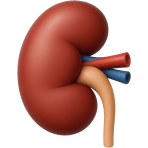
¿Qué órgano filtra la sangre y produce orina?
👆 Click to reveal answer
#4
¿Qué órgano filtra la sangre y produce orina?
What organ filters blood and produces urine?
✓ el riñón the kidney
💡 Hint: Kidney - filters blood, we have two kidneys
Example: El riñón elimina los desechos del cuerpo a través de la orina. The kidney removes waste from the body through urine.
MEDIUM
wordwalker.ca/flashcards
#5
¿Cómo se llama la persona que realiza investigaciones científicas?
👆 Click to reveal answer
#5
¿Cómo se llama la persona que realiza investigaciones científicas?
What is the person called who conducts scientific research?
✓ el científico the scientist
💡 Hint: Scientist - conducts experiments and research in a laboratory or field
Example: El científico presentó los resultados del estudio clínico. The scientist presented the results of the clinical study.
MEDIUM
wordwalker.ca/flashcards
#6
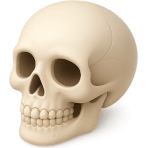
¿Qué hueso protege el cerebro?
👆 Click to reveal answer
#6
¿Qué hueso protege el cerebro?
What bone protects the brain?
✓ el cráneo the skull
💡 Hint: Skull - bones of the head, "calavera" is colloquial
Example: El cráneo protege el cerebro de golpes fuertes. The skull protects the brain from strong blows.
MEDIUM
wordwalker.ca/flashcards
#7
¿Qué recolecta agua de lluvia?
👆 Click to reveal answer
#7
¿Qué recolecta agua de lluvia?
What collects rainwater?
✓ barril de lluvia rain barrel
💡 Hint: Rain barrel - container to collect and store rainwater
MEDIUM
wordwalker.ca/flashcards
#8
👥
¿Quién viaja en el autobús?
👆 Click to reveal answer
#8
👥
¿Quién viaja en el autobús?
Who travels on the bus?
✓ los pasajeros the passengers
💡 Hint: Passengers - people riding public transport, from "pasar" (to pass)
Example: Los pasajeros esperan en la parada del autobús. The passengers wait at the bus stop.
EASY
wordwalker.ca/flashcards
#9
Llegaste justo _ ______.
You arrived just in time.
👆 Click to reveal answer
#9
Llegaste justo _ ______.
✓ a tiempo on time / in time
💡 Hint: You arrived just in time.
Example: Llegaste justo a tiempo. You arrived just in time.
EASY
wordwalker.ca/flashcards

📢 Share These Flash Cards

Help others learn Spanish! Share with friends and family:

🎮 Try the WordWalker Game (Learning Spanish for Kids)