










Dog walker character Default walker character

100% Free Forever • No Ads • No Subscriptions • Community Driven

Learn Spanish with free interactive flashcards and audio pronunciation

Multiple Categories

Transportation • People & Relationships • Grammar • Recreation • Work and Business • Greetings & Conversations

Choose Categories: (Click group to expand)

🔄 New Shuffle Order
Page 1 of 136 (1220 total flash cards for selected categories)
#1
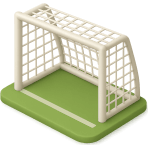
¿Dónde entra el balón en el fútbol?
👆 Click to reveal answer
#1
¿Dónde entra el balón en el fútbol?
Where does the ball go in soccer?
✓ la portería
💡 Hint: Soccer net - goal where ball must enter to score, "arco" used in Latin America
Example: El balón entró directo a la portería. The ball went straight into the goal.
EASY
wordwalker.ca/flashcards
#2
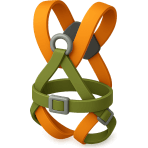
¿Qué equipo de protección te atas al cuerpo para prevenir caídas en alturas?
👆 Click to reveal answer
#2
¿Qué equipo de protección te atas al cuerpo para prevenir caídas en alturas?
What protective equipment do you strap to your body to prevent falls from heights?
✓ el arnés de seguridad
💡 Hint: Full-body strapping system that connects to anchor points to catch workers if they fall
Example: Ponte el arnés de seguridad antes de subir al techo. Put on the safety harness before going up on the roof.
MEDIUM
wordwalker.ca/flashcards
#3
¿Qué usas para buscar objetos metálicos en la playa?
👆 Click to reveal answer
#3
¿Qué usas para buscar objetos metálicos en la playa?
What do you use to search for metal objects on the beach?
✓ el detector de metales
💡 Hint: Metal detector - electronic device that finds buried metal objects, popular beach hobby
Example: Encontré una moneda antigua con el detector de metales. I found an old coin with the metal detector.
HARD
wordwalker.ca/flashcards
#4
🤝
¿Cómo dices "nice to meet you" (formal)?
👆 Click to reveal answer
#4
🤝
¿Cómo dices "nice to meet you" (formal)?
✓ mucho gusto
💡 Hint: Nice to meet you - "mucho gusto" (much pleasure), "mucho" is adverb so doesn't change gender
Example: Mucho gusto, señor Rodríguez. Es un honor conocerlo. Nice to meet you, Mr. Rodriguez. It's an honor to meet you.
EASY
wordwalker.ca/flashcards
#5
♾️
Esa experiencia me marcó __ ___ ____.
That experience marked me for life.
👆 Click to reveal answer
#5
♾️
Esa experiencia me marcó __ ___ ____.
✓ de por vida
💡 Hint: That experience marked me for life.
Example: Esa experiencia me marcó de por vida. That experience marked me for life.
MEDIUM
wordwalker.ca/flashcards
#6
🏐
¿Qué deporte se juega con una red y una pelota golpeada con las manos?
👆 Click to reveal answer
#6
🏐
¿Qué deporte se juega con una red y una pelota golpeada con las manos?
What sport is played with a net and a ball hit with hands?
✓ el voleibol
💡 Hint: Volleyball - beach sport with net, "vóley playa" is beach volleyball
Example: Jugamos al voleibol en la playa todos los veranos. We play volleyball on the beach every summer.
EASY
wordwalker.ca/flashcards
#7
¿Cómo preguntas "what is your name?"
👆 Click to reveal answer
#7
¿Cómo preguntas "what is your name?"
✓ ¿cómo te llamas?
💡 Hint: What's your name? - literally "how do you call yourself?
Example: Hola, ¿cómo te llamas? Yo soy Pedro. Hello, what's your name? I'm Pedro.
EASY
wordwalker.ca/flashcards
#8
👂
¿Cómo pides que repitan algo?
👆 Click to reveal answer
#8
👂
¿Cómo pides que repitan algo?
✓ ¿cómo?
💡 Hint: What? (asking to repeat) - "¿cómo?" (how?) is more polite than "¿qué?" in this context
Example: ¿Cómo? No te escuché bien, ¿puedes repetir? What? I didn't hear you well, can you repeat?
EASY
wordwalker.ca/flashcards
#9
👋
¿Cómo preguntas "how are you?"
👆 Click to reveal answer
#9
👋
¿Cómo preguntas "how are you?"
✓ ¿cómo estás?
💡 Hint: How are you? - informal tú form, "¿cómo está?" for usted formal, from "estar" (to be)
Example: Hola María, ¿cómo estás? Te ves muy feliz. Hello María, how are you? You look very happy.
EASY
wordwalker.ca/flashcards

📢 Share These Flash Cards

Help others learn Spanish! Share with friends and family:

🎮 Try the WordWalker Game (Learning Spanish for Kids)