















Dog walker character Default walker character

100% Free Forever • No Ads • No Subscriptions • Community Driven

Learn Spanish with free interactive flashcards and audio pronunciation

Multiple Categories

Transportation • Medical & Emergencies • Grammar • Greetings & Conversations • Plants and Animals

Choose Categories: (Click group to expand)

🔄 New Shuffle Order
Page 1 of 112 (1000 total flash cards for selected categories)
#1
🐹
¿Qué roedor pequeño tiene bolsas en las mejillas?
👆 Click to reveal answer
#1
🐹
¿Qué roedor pequeño tiene bolsas en las mejillas?
What small rodent has pouches in its cheeks?
✓ el hamster
💡 Hint: Hamster - small rodent, cheek pouches, stores food, popular pet
Example: El hamster guarda semillas en sus mejillas. The hamster stores seeds in its cheeks.
EASY
wordwalker.ca/flashcards
#2
🐢
¿Qué animal tiene caparazón?
👆 Click to reveal answer
#2
🐢
¿Qué animal tiene caparazón?
What animal has a shell?
✓ la tortuga
💡 Hint: Turtle - reptile with hard shell, can live long time
Example: La tortuga marina viaja miles de kilómetros cada año. The sea turtle travels thousands of kilometers every year.
EASY
wordwalker.ca/flashcards
#3
🛒
Voy al mercado ___ comprar frutas. (in order to)
👆 Click to reveal answer
#3
🛒
Voy al mercado ___ comprar frutas. (in order to)
I'm going to the market to buy fruits.
✓ para
💡 Hint: I'm going to the market to buy fruits - "para" for purpose/goal
Example: Voy al mercado para comprar frutas frescas. I'm going to the market to buy fresh fruits.
MEDIUM
wordwalker.ca/flashcards
#4
¡No ___ tarde! (arrive - tú command)
👆 Click to reveal answer
#4
¡No ___ tarde! (arrive - tú command)
Don't arrive late!
✓ llegues
💡 Hint: Don't arrive late! - negative tú command uses subjunctive
Example: ¡No llegues tarde a la reunión! Don't arrive late to the meeting!
MEDIUM
wordwalker.ca/flashcards
#5
🐿️
¿Qué animal come frutos secos en el árbol?
👆 Click to reveal answer
#5
🐿️
¿Qué animal come frutos secos en el árbol?
What animal has orange stripes?
✓ la ardilla
💡 Hint: Squirrel - bushy tail, climbs trees, collects nuts
Example: La ardilla salta de rama en rama buscando nueces. The squirrel jumps from branch to branch looking for nuts.
EASY
wordwalker.ca/flashcards
#6
👋
Bueno, me voy. ___ __ ____ ____.
Alright, I'm leaving. Take care.
👆 Click to reveal answer
#6
👋
Bueno, me voy. ___ __ ____ ____.
✓ que te vaya bien
💡 Hint: Alright, I'm leaving. Take care.
Example: Bueno, me voy. Que te vaya bien. Well, I'm off. Take care.
MEDIUM
wordwalker.ca/flashcards
#7
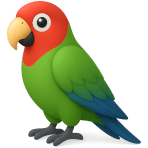
¿Qué ave colorida puede hablar?
👆 Click to reveal answer
#7
¿Qué ave colorida puede hablar?
What colorful bird can talk?
✓ el loro
💡 Hint: Parrot - intelligent bird, mimics human speech, colorful feathers
Example: El loro de mi vecino dice "hola" cuando me ve.
EASY
wordwalker.ca/flashcards
#8
¿Qué mamífero marino grande es herbívoro?
👆 Click to reveal answer
#8
¿Qué mamífero marino grande es herbívoro?
What large marine mammal is herbivorous?
✓ el manatí
💡 Hint: Manatee - gentle marine mammal, eats seagrass, also called sea cow
Example: El manatí come plantas acuáticas en aguas tranquilas. The manatee eats aquatic plants in calm waters.
MEDIUM
wordwalker.ca/flashcards
#9
¿Cuál es el árbol más grande del mundo?
👆 Click to reveal answer
#9
¿Cuál es el árbol más grande del mundo?
What is the largest tree in the world?
✓ la secuoya gigante
💡 Hint: Giant sequoia - largest tree by volume, lives thousands of years
Example: La secuoya gigante puede vivir más de tres mil años. The giant sequoia can live more than three thousand years.
MEDIUM
wordwalker.ca/flashcards

📢 Share These Flash Cards

Help others learn Spanish! Share with friends and family:

🎮 Try the WordWalker Game (Learning Spanish for Kids)