













Dog walker character Default walker character

100% Free Forever • No Ads • No Subscriptions • Community Driven

Learn Spanish with free interactive flashcards and audio pronunciation

Multiple Categories

Transportation • Medical & Emergencies • Accommodation • Entertainment • Greetings & Conversations • Recreation

Choose Categories: (Click group to expand)

🔄 New Shuffle Order
Page 1 of 106 (949 total flash cards for selected categories)
#1
¿Qué remolque pequeño se engancha al coche?
👆 Click to reveal answer
#1
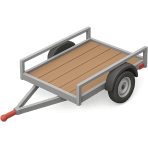
¿Qué remolque pequeño se engancha al coche?
What small trailer attaches to the car?
✓ el remolque utilitario
💡 Hint: Utility trailer - small trailer for hauling cargo behind vehicle
Example: Enganchamos el remolque utilitario para llevar muebles a la casa nueva. We hooked up the utility trailer to take furniture to the new house.
MEDIUM
wordwalker.ca/flashcards
#2
🚪
¿Qué piso tiene salida directa a la calle?
👆 Click to reveal answer
#2
🚪
¿Qué piso tiene salida directa a la calle?
What floor has direct access to the street?
✓ la planta baja
💡 Hint: Ground floor - "primer piso" in Latin America, street level
Example: La recepción del hotel está en la planta baja junto a la entrada. The hotel reception is on the ground floor next to the entrance.
MEDIUM
wordwalker.ca/flashcards
#3
¿Qué dolor sientes en la cabeza?
👆 Click to reveal answer
#3
¿Qué dolor sientes en la cabeza?
What pain do you feel in your head?
✓ el dolor de cabeza
💡 Hint: Headache - pain in the head, "cefalea" is medical term, "jaqueca" is migraine
Example: Tomé un analgésico por el dolor de cabeza intenso. I took a painkiller for the intense headache.
EASY
wordwalker.ca/flashcards
#4
🚗
¿Qué carril es para ir más rápido?
👆 Click to reveal answer
#4
🚗
¿Qué carril es para ir más rápido?
What lane is for going faster?
✓ el carril izquierdo
💡 Hint: Left lane - passing lane, return to right after overtaking
Example: Uso el carril izquierdo para adelantar coches lentos. I use the left lane to pass slow cars.
MEDIUM
wordwalker.ca/flashcards
#5
🪥
¿Con qué te lavas los dientes?
👆 Click to reveal answer
#5
🪥
¿Con qué te lavas los dientes?
What do you brush your teeth with?
✓ el cepillo de dientes
💡 Hint: Toothbrush - for dental hygiene, brush teeth twice daily
Example: Me lavo los dientes con el cepillo de dientes después de cada comida. I brush my teeth with the toothbrush after every meal.
EASY
wordwalker.ca/flashcards
#6
🔊
¿Qué hace que el sonido sea más fuerte?
👆 Click to reveal answer
#6
🔊
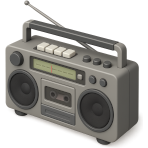
¿Qué hace que el sonido sea más fuerte?
What makes the sound louder?
✓ el altavoz
💡 Hint: Speaker - amplifies sound for everyone, "bocina" also common
Example: Necesitamos un altavoz más grande para la fiesta en el jardín. We need a bigger speaker for the party in the garden.
EASY
wordwalker.ca/flashcards
#7
¿Qué usas para mover un kayak?
👆 Click to reveal answer
#7
¿Qué usas para mover un kayak?
What do you use to move a kayak?
✓ el remo de kayak
💡 Hint: Kayak paddle - double-bladed paddle used to propel kayak through water
Example: Necesito comprar un remo de kayak nuevo para la expedición. I need to buy a new kayak paddle for the expedition.
MEDIUM
wordwalker.ca/flashcards
#8
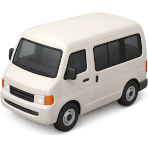
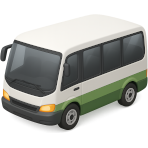
¿Qué vehículo pequeño transporta grupos de personas?
👆 Click to reveal answer
#8
¿Qué vehículo pequeño transporta grupos de personas?
What small vehicle transports groups of people?
✓ el minibús
💡 Hint: Minibus - small bus for groups, smaller than regular bus
Example: El minibús lleva a los turistas al hotel. The minibus takes tourists to the hotel.
MEDIUM
wordwalker.ca/flashcards
#9
👋
¿Cómo preguntas "how are you?"
👆 Click to reveal answer
#9
👋
¿Cómo preguntas "how are you?"
✓ ¿cómo estás?
💡 Hint: How are you? - informal tú form, "¿cómo está?" for usted formal, from "estar" (to be)
Example: Hola María, ¿cómo estás? Te ves muy feliz. Hello María, how are you? You look very happy.
EASY
wordwalker.ca/flashcards

📢 Share These Flash Cards

Help others learn Spanish! Share with friends and family:

🎮 Try the WordWalker Game (Learning Spanish for Kids)