






Dog walker character Default walker character

Multiple Categories

Transportation • Greetings & Conversations • Recreation • Food and Dining • People & Relationships

Choose Categories: (Click to add/remove)

🔄 New Shuffle Order
Page 1 of 132 (1183 total flash cards)
#1
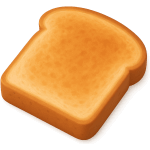
¿Qué pan tostado comes en el desayuno?
👆 Click to reveal answer
#1
¿Qué pan tostado comes en el desayuno?
What toasted bread do you eat for breakfast?
✓ la tostada the toast
💡 Hint: Toast - toasted bread commonly eaten at breakfast with butter or spreads
Example: Preparo la tostada con aguacate y huevo para un desayuno saludable. I prepare the toast with avocado and egg for a healthy breakfast.
EASY
wordwalker.ca/flashcards
#2
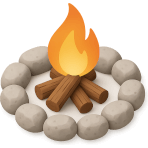
¿Qué haces para calentarte al acampar?
👆 Click to reveal answer
#2
¿Qué haces para calentarte al acampar?
What do you make to keep warm when camping?
✓ la fogata the campfire
💡 Hint: Campfire - outdoor fire for warmth, cooking, and gathering at campsites
Example: Nos reunimos alrededor de la fogata para contar historias. We gathered around the campfire to tell stories.
EASY
wordwalker.ca/flashcards
#3
⛱️
¿Dónde estás?
👆 Click to reveal answer
#3
⛱️
¿Dónde estás?
Where are you?
✓ en la playa at the beach
💡 Hint: At the beach - sandy shore by ocean, perfect for relaxing
Example: Estamos en la playa disfrutando del sol. We are at the beach enjoying the sun.
EASY
wordwalker.ca/flashcards
#4
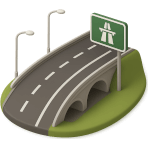
¿Qué carretera grande conecta ciudades?
👆 Click to reveal answer
#4
¿Qué carretera grande conecta ciudades?
What large road connects cities?
✓ la autopista the highway
💡 Hint: Highway - major road for fast travel between cities
Example: Condujimos por la autopista para llegar más rápido. We drove on the highway to arrive faster.
EASY
wordwalker.ca/flashcards
#5
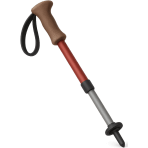
¿Qué usas para caminar en la montaña?
👆 Click to reveal answer
#5
¿Qué usas para caminar en la montaña?
What do you use to walk in the mountains?
✓ el bastón de senderismo the walking stick
💡 Hint: Walking stick - hiking pole for stability and support on trails, reduces knee strain
Example: Uso bastones de senderismo para aliviar el esfuerzo en las rodillas. I use hiking poles to ease the strain on my knees.
MEDIUM
wordwalker.ca/flashcards
#6
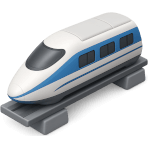
¿Qué tren viaja a más de 300 km/h?
👆 Click to reveal answer
#6
¿Qué tren viaja a más de 300 km/h?
What train travels over 300 km/h?
✓ el tren de alta velocidad the high-speed train
💡 Hint: High-speed train - very fast train, bullet train in some countries
Example: El tren de alta velocidad llega a Barcelona en solo dos horas. The high-speed train reaches Barcelona in just two hours.
MEDIUM
wordwalker.ca/flashcards
#7
😊
¿Cómo dices "thank you"?
👆 Click to reveal answer
#7
😊
¿Cómo dices "thank you"?
✓ gracias thank you
💡 Hint: Thank you - from Latin "gratias" (thanks), "muchas gracias" for many thanks
Example: Gracias por tu ayuda, eres muy amable. Thank you for your help, you are very kind.
EASY
wordwalker.ca/flashcards
#8
¿Qué plato japonés se hace friendo mariscos y vegetales en masa?
👆 Click to reveal answer
#8
¿Qué plato japonés se hace friendo mariscos y vegetales en masa?
What Japanese dish is made by frying seafood and vegetables in batter?
✓ el tempura the tempura
💡 Hint: Japanese dish of seafood or vegetables coated in light batter and deep-fried
Example: Preparo el tempura de camarones y vegetales con masa ligera y crujiente. I prepare shrimp and vegetable tempura with light and crispy batter.
MEDIUM
wordwalker.ca/flashcards
#9
😡
¿Cómo dices "I'm angry"?
👆 Click to reveal answer
#9
😡
¿Cómo dices "I'm angry"?
✓ estoy enojado I'm angry
💡 Hint: I'm angry - "estar enojado" (temporary state), use "estar" not "ser
Example: Estoy enojado porque perdí mis llaves. I'm angry because I lost my keys.
EASY
wordwalker.ca/flashcards

📢 Share These Flash Cards

Help others learn Spanish! Share with friends and family:

🎮 Try the WordWalker Game (Learning Spanish for Kids)