















Dog walker character Default walker character

Multiple Categories

Transportation • Greetings & Conversations • Medical & Emergencies • Places and Directions • Numbers, Dates & Time • Grammar

Choose Categories: (Click to add/remove)

🔄 New Shuffle Order
Page 1 of 101 (907 total flash cards)
#1
¿Cómo se llama la persona que recibe tratamiento médico?
👆 Click to reveal answer
#1
¿Cómo se llama la persona que recibe tratamiento médico?
What do you call the person who receives medical treatment?
✓ el paciente the patient
💡 Hint: Patient - person receiving medical care, from Latin "patiens" (suffering)
Example: El paciente llegó con dolor agudo en el abdomen. The patient arrived with sharp abdominal pain.
EASY
wordwalker.ca/flashcards
#2
💬
No puedo, __ _____, no quiero.
I can't— I mean, I don't want to.
👆 Click to reveal answer
#2
💬
No puedo, __ _____, no quiero.
✓ es decir that is / I mean
💡 Hint: I can't— I mean, I don't want to.
Example: No puedo, es decir, no quiero. I can't— I mean, I don't want to.
MEDIUM
wordwalker.ca/flashcards
#3
✈️
Ella ___ a España el año pasado. (viajar - to travel)
👆 Click to reveal answer
#3
✈️
Ella ___ a España el año pasado. (viajar - to travel)
viajó
✓ viajó traveled
💡 Hint: She traveled - Preterite completed action, -AR verb: add -ó for él/ella, accent on last syllable
MEDIUM
wordwalker.ca/flashcards
#4
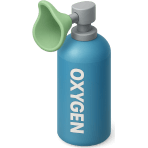
¿Qué contenedor lleva oxígeno médico?
👆 Click to reveal answer
#4
¿Qué contenedor lleva oxígeno médico?
What container carries medical oxygen?
✓ el tanque de oxígeno the oxygen tank
💡 Hint: Oxygen tank - portable oxygen supply for respiratory patients
Example: El paciente necesitó el tanque de oxígeno durante la noche. The patient needed the oxygen tank during the night.
MEDIUM
wordwalker.ca/flashcards
#5
¿Qué cono naranja marca áreas peligrosas?
👆 Click to reveal answer
#5
¿Qué cono naranja marca áreas peligrosas?
What orange cone marks dangerous areas?
✓ el cono de tráfico traffic cone
💡 Hint: Traffic cone - orange cone used to mark hazards
Example: Los trabajadores colocaron conos de tráfico alrededor de la construcción. The workers placed traffic cones around the construction.
EASY
wordwalker.ca/flashcards
#6
Es importante que tú ___ a tiempo. (llegar)
👆 Click to reveal answer
#6
Es importante que tú ___ a tiempo. (llegar)
It's important that you arrive on time.
✓ llegues you arrive (subjunctive)
💡 Hint: It's important that you arrive on time - subjunctive after impersonal expression
HARD
wordwalker.ca/flashcards
#7
🔨
¿Qué ___ ellos? (hacer - to do)
👆 Click to reveal answer
#7
🔨
¿Qué ___ ellos? (hacer - to do)
están haciendo
✓ están haciendo they are doing
💡 Hint: What are they doing - estar + gerund of irregular "hacer" = "haciendo"
MEDIUM
wordwalker.ca/flashcards
#8
🌅
¿Qué dices por la tarde?
👆 Click to reveal answer
#8
🌅
¿Qué dices por la tarde?
✓ buenas tardes good afternoon
💡 Hint: Good afternoon - "tardes" feminine plural, use 2pm-sunset, timing varies by region
Example: Buenas tardes, ¿cómo le va? Good afternoon, how is it going?
EASY
wordwalker.ca/flashcards
#9
🚨
¿Qué situación requiere acción inmediata?
👆 Click to reveal answer
#9
🚨
¿Qué situación requiere acción inmediata?
What situation requires immediate action?
✓ la emergencia the emergency
💡 Hint: Emergency - urgent crisis, from Latin "emergere" (to arise suddenly)
Example: El incendio en el taller fue una emergencia real. The fire in the workshop was a real emergency.
EASY
wordwalker.ca/flashcards

📢 Share These Flash Cards

Help others learn Spanish! Share with friends and family:

🎮 Try the WordWalker Game (Learning Spanish for Kids)