









Dog walker character Default walker character

Multiple Categories

Transportation • Greetings & Conversations • Grammar • Medical & Emergencies • Places and Directions • Numbers, Dates & Time

Choose Categories: (Click to add/remove)

🔄 New Shuffle Order
Page 1 of 101 (907 total flash cards)
#1
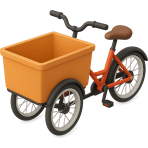
¿Qué bicicleta tiene caja grande para carga?
👆 Click to reveal answer
#1
¿Qué bicicleta tiene caja grande para carga?
What bicycle has a large box for cargo?
✓ la bicicleta de carga freight bicycle
💡 Hint: Freight bicycle - cargo bike with large box for deliveries
Example: El repartidor usa su bicicleta de carga para entregas locales. The delivery person uses his freight bicycle for local deliveries.
MEDIUM
wordwalker.ca/flashcards
#2
¿Qué órgano te permite ver?
👆 Click to reveal answer
#2
¿Qué órgano te permite ver?
What organ allows you to see?
✓ el ojo the eye
💡 Hint: Eye - organ of sight, "globo ocular" is eyeball
Example: Cerré un ojo para mirar mejor de cerca. I closed one eye to look more closely.
EASY
wordwalker.ca/flashcards
#3
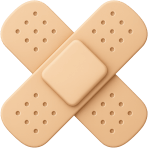
¿Con qué cubres una herida pequeña?
👆 Click to reveal answer
#3
¿Con qué cubres una herida pequeña?
What do you cover a small wound with?
✓ la curita the band-aid
💡 Hint: Band-aid - adhesive bandage for small cuts, "tirita" in Spain, "curita" in Latin America
Example: Puse una curita en el corte de mi dedo. I put a band-aid on the cut on my finger.
MEDIUM
wordwalker.ca/flashcards
#4
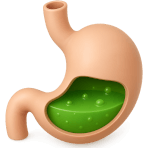
¿Qué órgano digiere la comida?
👆 Click to reveal answer
#4
¿Qué órgano digiere la comida?
What organ digests food?
✓ el estómago the stomach
💡 Hint: Stomach - digestive organ, holds food for 2-4 hours
Example: Después de comer mucho, el estómago me dolía. After eating a lot, my stomach hurt.
EASY
wordwalker.ca/flashcards
#5
🚶
¿Cómo viajas a pie?
👆 Click to reveal answer
#5
🚶
¿Cómo viajas a pie?
How do you travel on foot?
✓ caminar walk
💡 Hint: Walking - most basic transport, "ir a pie" (go on foot)
Example: Prefiero caminar al trabajo cuando hace buen tiempo. I prefer to walk to work when the weather is good.
EASY
wordwalker.ca/flashcards
#6
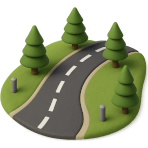
¿Qué camino está cubierto de asfalto o concreto?
👆 Click to reveal answer
#6
¿Qué camino está cubierto de asfalto o concreto?
What road is covered with asphalt or concrete?
✓ el camino pavimentado the paved road
💡 Hint: Paved road - road with smooth asphalt or concrete surface
Example: Es más fácil conducir en un camino pavimentado que en tierra. It's easier to drive on a paved road than on dirt.
MEDIUM
wordwalker.ca/flashcards
#7
📅
¿Cómo se dice "Saturday"?
👆 Click to reveal answer
#7
📅
¿Cómo se dice "Saturday"?
How do you say 'Saturday'?
✓ sábado Saturday
💡 Hint: Saturday - from Latin "Sabbatum" (Sabbath), weekend day, party night
EASY
wordwalker.ca/flashcards
#8
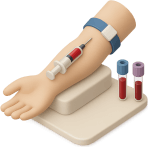
¿Quién saca sangre para análisis?
👆 Click to reveal answer
#8
¿Quién saca sangre para análisis?
Who draws blood for testing?
✓ el flebotomista the phlebotomist
💡 Hint: Phlebotomist - specialist in drawing blood, from Greek "phleps" (vein)
Example: El flebotomista extrajo la muestra de sangre rápidamente. The phlebotomist drew the blood sample quickly.
HARD
wordwalker.ca/flashcards
#9
👶
Cuando era niño, ___ mucho. (I used to play)
👆 Click to reveal answer
#9
👶
Cuando era niño, ___ mucho. (I used to play)
When I was a child, I used to play a lot.
✓ jugaba I was playing/used to play
💡 Hint: When I was a child, I used to play a lot - imperfect for habitual past
MEDIUM
wordwalker.ca/flashcards

📢 Share These Flash Cards

Help others learn Spanish! Share with friends and family:

🎮 Try the WordWalker Game (Learning Spanish for Kids)