












Dog walker character Default walker character

100% Free Forever • No Ads • No Subscriptions • Community Driven

Learn Spanish with free interactive flashcards and audio pronunciation

Multiple Categories

Transportation • Entertainment • Numbers, Colors & Time • Work and Business • Grammar • Greetings & Conversations

Choose Categories: (Click group to expand)

🔄 New Shuffle Order
Page 1 of 114 (1019 total flash cards for selected categories)
#1
¿Qué parte del coche cambia las velocidades?
👆 Click to reveal answer
#1
¿Qué parte del coche cambia las velocidades?
What car part changes the gears?
✓ la caja de cambios
💡 Hint: Gearbox - transmission system that changes speed ratios
Example: La caja de cambios de mi coche necesita reparación. My car's gearbox needs repair.
MEDIUM
wordwalker.ca/flashcards
#2
🙂
¿Cómo preguntas "how are you feeling?"?
👆 Click to reveal answer
#2
🙂
¿Cómo preguntas "how are you feeling?"?
✓ ¿cómo te sientes?
💡 Hint: How are you feeling? - "sentirse" (to feel oneself), use reflexive verb
Example: ¿Cómo te sientes hoy? ¿Ya estás mejor? How are you feeling today? Are you better now?
MEDIUM
wordwalker.ca/flashcards
#3
¿Qué carretera grande conecta ciudades?
👆 Click to reveal answer
#3
¿Qué carretera grande conecta ciudades?
What large road connects cities?
✓ la autopista
💡 Hint: Highway - major road for fast travel between cities
Example: Condujimos por la autopista para llegar más rápido. We drove on the highway to arrive faster.
EASY
wordwalker.ca/flashcards
#4
🎫
¿Dónde está tu número de asiento?
👆 Click to reveal answer
#4
🎫
¿Dónde está tu número de asiento?
Where is your seat number?
✓ en el pase de abordar
💡 Hint: On boarding pass - shows row number and letter (A, B, C, etc.)
Example: Mi número de asiento está en el pase de abordar. My seat number is on the boarding pass.
EASY
wordwalker.ca/flashcards
#5
¿Quién cultiva la tierra y cosecha alimentos para ganarse la vida?
👆 Click to reveal answer
#5
¿Quién cultiva la tierra y cosecha alimentos para ganarse la vida?
Who cultivates the land and harvests food for a living?
✓ el agricultor
💡 Hint: Person who grows crops and raises animals on a farm
Example: El agricultor cosecha trigo en sus campos. The farmer harvests wheat in his fields.
MEDIUM
wordwalker.ca/flashcards
#6
📅
¿Qué período de tiempo tiene veinticuatro horas?
👆 Click to reveal answer
#6
📅
¿Qué período de tiempo tiene veinticuatro horas?
What period of time has twenty-four hours?
✓ día
💡 Hint: Day - masculine noun despite ending in "a
Example: Hoy es un día perfecto para pasear. Today is a perfect day to go for a walk.
EASY
wordwalker.ca/flashcards
#7
¿Dónde te sientas en el teatro o cine?
👆 Click to reveal answer
#7
¿Dónde te sientas en el teatro o cine?
Where do you sit in the theater or cinema?
✓ la butaca
💡 Hint: Theater seat - comfortable seat in cinema or theater, "butaca" for armchair seat
Example: Reservé la butaca en primera fila para ver mejor la obra de teatro. I reserved a seat in the first row to better see the theater play.
EASY
wordwalker.ca/flashcards
#8
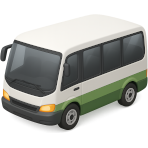
¿Qué vehículo pequeño transporta grupos de personas?
👆 Click to reveal answer
#8
¿Qué vehículo pequeño transporta grupos de personas?
What small vehicle transports groups of people?
✓ el minibús
💡 Hint: Minibus - small bus for groups, smaller than regular bus
Example: El minibús lleva a los turistas al hotel. The minibus takes tourists to the hotel.
MEDIUM
wordwalker.ca/flashcards
#9
📖
Tú ___ libros. (leer - to read)
👆 Click to reveal answer
#9
📖
Tú ___ libros. (leer - to read)
You read books.
✓ lees
💡 Hint: You read - -ER verb: remove -er, add -es for tú, notice double "e"
Example: Tú lees libros todos los días. You read books every day.
EASY
wordwalker.ca/flashcards

📢 Share These Flash Cards

Help others learn Spanish! Share with friends and family:

🎮 Try the WordWalker Game (Learning Spanish for Kids)