















Dog walker character Default walker character

100% Free Forever • No Ads • No Subscriptions • Community Driven

Learn Spanish with free interactive flashcards and audio pronunciation

Multiple Categories

Transportation • Daily Routines • Grammar • Entertainment • Medical & Emergencies

Choose Categories: (Click group to expand)

🔄 New Shuffle Order
Page 1 of 111 (999 total flash cards for selected categories)
#1
👍
—¿Qué tal? —___ _____.
How's it going? —We're getting there.
👆 Click to reveal answer
#1
👍
—¿Qué tal? —___ _____.
✓ ahí vamos
💡 Hint: How's it going? —We're getting there.
Example: —¿Qué tal? —Ahí vamos. —How's it going? —Hanging in there.
MEDIUM
wordwalker.ca/flashcards

#2
¿Qué palabra usas para "finger"?
👆 Click to reveal answer
#2
¿Qué palabra usas para "finger"?
What word do you use for "finger"?
✓ el dedo
💡 Hint: Finger - digit of the hand
Example: Me corté el dedo con el papel. I cut my finger with the paper.
EASY
wordwalker.ca/flashcards
#3
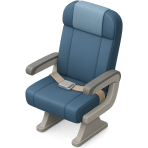
¿Qué asiento está junto al pasillo?
👆 Click to reveal answer
#3
¿Qué asiento está junto al pasillo?
What seat is next to the aisle?
✓ el asiento de pasillo
💡 Hint: Aisle seat - easy bathroom access, usually C or D in row
Example: Preferí el asiento de pasillo para ir al baño fácilmente. I preferred the aisle seat to go to the bathroom easily.
EASY
wordwalker.ca/flashcards
#4
¿Qué dispositivo ayuda a oír mejor?
👆 Click to reveal answer
#4
¿Qué dispositivo ayuda a oír mejor?
What device helps you hear better?
✓ el audífono
💡 Hint: Hearing aid - amplifies sound for hearing impaired
Example: Mi abuelo usa el audífono para escuchar la televisión. My grandfather uses the hearing aid to hear the TV.
MEDIUM
wordwalker.ca/flashcards
#5
¿Qué cono naranja marca áreas peligrosas?
👆 Click to reveal answer
#5
¿Qué cono naranja marca áreas peligrosas?
What orange cone marks dangerous areas?
✓ el cono de tráfico
💡 Hint: Traffic cone - orange cone used to mark hazards
Example: Los trabajadores colocaron conos de tráfico alrededor de la construcción. The workers placed traffic cones around the construction.
EASY
wordwalker.ca/flashcards
#6
Nosotros ___ terminado el trabajo. (have)
👆 Click to reveal answer
#6
Nosotros ___ terminado el trabajo. (have)
We have finished the work.
✓ hemos
💡 Hint: We have finished the work - first person plural present perfect
Example: Nosotros hemos terminado el trabajo. We have finished the work.
MEDIUM
wordwalker.ca/flashcards
#7
🤨
Esa historia no __ ______.
That story doesn't add up.
👆 Click to reveal answer
#7
🤨
Esa historia no __ ______.
✓ me cuadra
💡 Hint: That story doesn't add up.
Example: Esa historia no me cuadra. That story doesn't add up.
MEDIUM
wordwalker.ca/flashcards
#8
¿Qué televisión se conecta a internet?
👆 Click to reveal answer
#8
¿Qué televisión se conecta a internet?
What television connects to the internet?
✓ el televisor inteligente
💡 Hint: Smart TV - internet-connected television with apps and streaming
Example: Veo películas en el televisor inteligente de la sala. I watch movies on the smart TV in the living room.
EASY
wordwalker.ca/flashcards
#9
¿Qué coche no usa gasolina?
👆 Click to reveal answer
#9
¿Qué coche no usa gasolina?
What car doesn't use gasoline?
✓ el coche eléctrico
💡 Hint: Electric car - powered by batteries, no gasoline needed
Example: Mi coche eléctrico es muy silencioso y no contamina. My electric car is very quiet and doesn't pollute.
MEDIUM
wordwalker.ca/flashcards

📢 Share These Flash Cards

Help others learn Spanish! Share with friends and family:

🎮 Try the WordWalker Game (Learning Spanish for Kids)