







Dog walker character Default walker character

100% Free Forever • No Ads • No Subscriptions • Community Driven

Learn Spanish with free interactive flashcards and audio pronunciation

Multiple Categories

Recreation • Entertainment • Plants and Animals • Numbers, Colors & Time • Weather & Environment

Choose Categories: (Click group to expand)

🔄 New Shuffle Order
Page 1 of 84 (749 total flash cards for selected categories)
#1
🔢
¿Qué número está entre setenta y noventa?
👆 Click to reveal answer
#1
🔢
¿Qué número está entre setenta y noventa?
What number is between seventy and ninety?
✓ ochenta
💡 Hint: Eighty - from "ocho" + "-enta
Example: El límite de velocidad es ochenta kilómetros por hora. The speed limit is eighty kilometers per hour.
MEDIUM
wordwalker.ca/flashcards
#2
🦘
¿Qué animal salta y tiene una bolsa?
👆 Click to reveal answer
#2
🦘
¿Qué animal salta y tiene una bolsa?
What animal hops and has a pouch?
✓ el canguro
💡 Hint: Kangaroo - hops on powerful hind legs, has pouch for babies, from Australia
Example: El canguro lleva a su cría en su bolsa. The kangaroo carries its baby in its pouch.
EASY
wordwalker.ca/flashcards
#3
🏞️
¿Dónde protege una nación la naturaleza?
👆 Click to reveal answer
#3
🏞️
¿Dónde protege una nación la naturaleza?
Where does a nation protect nature?
✓ una reserva de parque nacional
💡 Hint: National park - protected nature reserve, preserves wildlife
Example: Visitamos una reserva de parque nacional para ver la fauna silvestre. We visited a national park reserve to see the wildlife.
MEDIUM
wordwalker.ca/flashcards
#4
🌙
¿Cuánto tarda la luna en orbitar la Tierra?
👆 Click to reveal answer
#4
🌙
¿Cuánto tarda la luna en orbitar la Tierra?
How long does it take for the moon to orbit the Earth?
✓ 28 días
💡 Hint: Twenty-eight days - lunar month
Example: La luna tarda 28 días en orbitar la Tierra. The moon takes 28 days to orbit Earth.
HARD
wordwalker.ca/flashcards
#5
📜
¿Qué haces cuando visitas lugares históricos?
👆 Click to reveal answer
#5
📜
¿Qué haces cuando visitas lugares históricos?
What do you do when you visit historical places?
✓ visitar monumentos
💡 Hint: Visit monuments - explore historical sites, learn about culture and history
Example: Nos gusta visitar monumentos cuando viajamos a nuevas ciudades. We like to visit monuments when we travel to new cities.
EASY
wordwalker.ca/flashcards
#6
🔢
¿Cuántos dedos tiene una persona en total?
👆 Click to reveal answer
#6
🔢
¿Cuántos dedos tiene una persona en total?
How many fingers does a person have in total?
✓ veinte
💡 Hint: Twenty - from Latin "viginti
Example: El libro cuesta veinte dólares en la librería. The book costs twenty dollars at the bookstore.
EASY
wordwalker.ca/flashcards
#7
¿Qué clima es?
👆 Click to reveal answer
#7
¿Qué clima es?
What climate is it?
✓ nublado
💡 Hint: Cloudy - sky covered with clouds, less sun
Example: El cielo está nublado y parece que va a llover. The sky is cloudy and it looks like it's going to rain.
EASY
wordwalker.ca/flashcards
#8
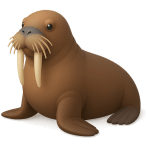
¿Qué animal del Ártico tiene colmillos largos?
👆 Click to reveal answer
#8
¿Qué animal del Ártico tiene colmillos largos?
What Arctic animal has long tusks?
✓ la morsa
💡 Hint: Walrus - large tusks, thick blubber, lives in Arctic waters
Example: La morsa usa sus colmillos para subir al hielo. The walrus uses its tusks to climb onto the ice.
MEDIUM
wordwalker.ca/flashcards
#9
¿Qué árbol fuerte produce bellotas?
👆 Click to reveal answer
#9
¿Qué árbol fuerte produce bellotas?
What strong tree produces acorns?
✓ el roble
💡 Hint: Oak tree - strong hardwood tree, produces acorns, symbol of strength
Example: El roble es un árbol fuerte que puede vivir cientos de años. The oak is a strong tree that can live for hundreds of years.
EASY
wordwalker.ca/flashcards

📢 Share These Flash Cards

Help others learn Spanish! Share with friends and family:

🎮 Try the WordWalker Game (Learning Spanish for Kids)