












Dog walker character Default walker character

100% Free Forever • No Ads • No Subscriptions • Community Driven

Learn Spanish with free interactive flashcards and audio pronunciation

Multiple Categories

Recreation • Places and Directions • Medical & Emergencies • Entertainment • Work and Business • People & Relationships

Choose Categories: (Click group to expand)

🔄 New Shuffle Order
Page 1 of 93 (829 total flash cards for selected categories)
#1
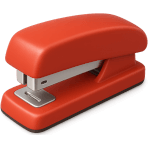
¿Con qué herramienta sujetas papeles juntos en la oficina?
👆 Click to reveal answer
#1
¿Con qué herramienta sujetas papeles juntos en la oficina?
What tool do you use to fasten papers together in the office?
✓ la engrapadora
💡 Hint: Office tool that uses metal fasteners to bind papers together
Example: Usa la engrapadora para unir estos documentos antes de enviarlos. Use the stapler to bind these documents before sending them.
EASY
wordwalker.ca/flashcards

#2
↪️
¿Qué haces en la esquina?
👆 Click to reveal answer
#2
↪️
¿Qué haces en la esquina?
What do you do at the corner?
✓ doblar
💡 Hint: Turn - "girar" and "voltear" also mean turn at corner
Example: Debes doblar a la izquierda en el semáforo de la avenida principal. You must turn left at the traffic light on the main avenue.
MEDIUM
wordwalker.ca/flashcards
#3
¿Qué sientes cuando quieres lo que otro tiene?
👆 Click to reveal answer
#3
¿Qué sientes cuando quieres lo que otro tiene?
What do you feel when you want what another has?
✓ la envidia
💡 Hint: Envy - feeling of discontent at another's advantages or possessions
Example: La envidia es un sentimiento destructivo que no nos deja ser felices. Envy is a destructive feeling that doesn't let us be happy.
MEDIUM
wordwalker.ca/flashcards
#4
¿Qué palabra usas para "surprise"?
👆 Click to reveal answer
#4
¿Qué palabra usas para "surprise"?
What word do you use for 'surprise'?
✓ la sorpresa
💡 Hint: Surprise - feeling caused by something unexpected
Example: La sorpresa en su rostro fue total cuando vio el regalo. The surprise on her face was complete when she saw the gift.
EASY
wordwalker.ca/flashcards
#5
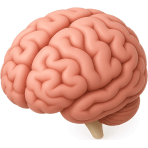
¿Qué órgano controla el cuerpo?
👆 Click to reveal answer
#5
¿Qué órgano controla el cuerpo?
What organ controls the body?
✓ el cerebro
💡 Hint: Brain - controls all body functions, from Latin "cerebrum"
Example: El cerebro procesa la información que recibimos cada segundo. The brain processes the information we receive every second.
MEDIUM
wordwalker.ca/flashcards
#6
¿Qué emoción causa la risa?
👆 Click to reveal answer
#6
¿Qué emoción causa la risa?
What emotion causes laughter?
✓ la diversión
💡 Hint: Amusement - feeling of being entertained or finding something funny
Example: La diversión que sentimos en el parque de atracciones fue increíble. The fun we felt at the amusement park was incredible.
EASY
wordwalker.ca/flashcards
#7
😰
¿Qué palabra usas para "nervous"?
👆 Click to reveal answer
#7
😰
¿Qué palabra usas para "nervous"?
What word do you use for 'nervous'?
✓ nervioso
💡 Hint: Nervous - anxious, opposite of "tranquilo"
Example: Estoy nervioso porque tengo un examen importante mañana. I'm nervous because I have an important exam tomorrow.
MEDIUM
wordwalker.ca/flashcards
#8
👆
¿Dónde está cerca?
👆 Click to reveal answer
#8
👆
¿Dónde está cerca?
Where is near?
✓ allí
💡 Hint: There - nearby but not here, medium distance from speaker
Example: La panadería está allí, justo después del semáforo. The bakery is there, right after the traffic light.
MEDIUM
wordwalker.ca/flashcards
#9
🤒
¿Qué tienes cuando hay fiebre?
👆 Click to reveal answer
#9
🤒
¿Qué tienes cuando hay fiebre?
What do you have when there is fever?
✓ la temperatura alta
💡 Hint: High temperature - fever over 38°C/100.4°F, "calentura" colloquial
Example: La temperatura alta indicó que tenía fiebre. The high temperature indicated that I had a fever.
EASY
wordwalker.ca/flashcards

📢 Share These Flash Cards

Help others learn Spanish! Share with friends and family:

🎮 Try the WordWalker Game (Learning Spanish for Kids)