






Dog walker character Default walker character

100% Free Forever • No Ads • No Subscriptions • Community Driven

Learn Spanish with free interactive flashcards and audio pronunciation

Multiple Categories

Plants and Animals • Recreation • Medical & Emergencies • Places and Directions • Greetings & Conversations

Choose Categories: (Click group to expand)

🔄 New Shuffle Order
Page 1 of 76 (680 total flash cards for selected categories)
#1
🏞️
¿Cómo se llama un gran espacio verde público?
👆 Click to reveal answer
#1
🏞️
¿Cómo se llama un gran espacio verde público?
What is a large public green space called?
✓ el parque
💡 Hint: Park - public green space, "jardín" is smaller garden
Example: Los niños juegan en el parque todas las tardes después de la escuela. The children play in the park every afternoon after school.
EASY
wordwalker.ca/flashcards
#2
🐧
¿Qué ave nada pero no vuela?
👆 Click to reveal answer
#2
🐧
¿Qué ave nada pero no vuela?
What bird swims but doesn't fly?
✓ el pingüino
💡 Hint: Penguin - flightless bird, swims in cold waters, lives in Antarctica
Example: El pingüino nada muy bien pero no puede volar. The penguin swims very well but cannot fly.
EASY
wordwalker.ca/flashcards
#3
👀
¿Cómo dices "see you later"?
👆 Click to reveal answer
#3
👀
¿Cómo dices "see you later"?
✓ nos vemos
💡 Hint: See you later - "nos vemos" (we see each other), very casual common farewell
Example: Nos vemos después, tengo que irme. See you later, I have to go.
EASY
wordwalker.ca/flashcards
#4
👍
¿Cómo dices "you're welcome" (de nada)?
👆 Click to reveal answer
#4
👍
¿Cómo dices "you're welcome" (de nada)?
✓ de nada
💡 Hint: You're welcome - literally "of nothing
Example: — Muchas gracias. — De nada, fue un placer ayudarte. — Thank you very much. — You're welcome, it was a pleasure to help you.
EASY
wordwalker.ca/flashcards
#5
🦛
¿Qué animal grande vive en ríos africanos?
👆 Click to reveal answer
#5
🦛
¿Qué animal grande vive en ríos africanos?
What large animal lives in African rivers?
✓ el hipopótamo
💡 Hint: Hippopotamus - large river animal, semi-aquatic, powerful jaws, lives in Africa
Example: El hipopótamo pasa la mayor parte del día en el agua. The hippopotamus spends most of the day in the water.
EASY
wordwalker.ca/flashcards
#6
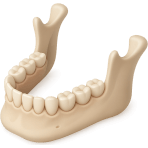
¿Qué hueso mueves cuando masticas?
👆 Click to reveal answer
#6
¿Qué hueso mueves cuando masticas?
What bone do you move when you chew?
✓ la mandíbula
💡 Hint: Jaw - lower jawbone, only movable skull bone
Example: Sentí tensión en la mandíbula al masticar rápido. I felt tension in the jaw when chewing quickly.
MEDIUM
wordwalker.ca/flashcards
#7
📏
¿Qué es una sección de calle?
👆 Click to reveal answer
#7
📏
¿Qué es una sección de calle?
What is a section of street?
✓ la cuadra
💡 Hint: City block - "manzana" in Spain, distance between corners
Example: El supermercado está a tres cuadras de aquí caminando. The supermarket is three blocks from here walking.
MEDIUM
wordwalker.ca/flashcards
#8
🙏
¿Cómo dices "blessing" o "bless you" (después de estornudar)?
👆 Click to reveal answer
#8
🙏
¿Cómo dices "blessing" o "bless you" (después de estornudar)?
✓ salud
💡 Hint: Bless you - literally "health
Example: — ¡Achú! — ¡Salud! ¿Estás bien? — Achoo! — Bless you! Are you okay?
EASY
wordwalker.ca/flashcards
#9
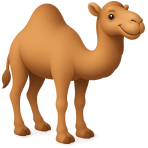
¿Qué animal del desierto tiene jorobas?
👆 Click to reveal answer
#9
¿Qué animal del desierto tiene jorobas?
What desert animal has humps?
✓ el camello
💡 Hint: Camel - stores fat in humps, survives long periods without water
Example: El camello cruza el desierto sin necesitar agua por días. The camel crosses the desert without needing water for days.
EASY
wordwalker.ca/flashcards

📢 Share These Flash Cards

Help others learn Spanish! Share with friends and family:

🎮 Try the WordWalker Game (Learning Spanish for Kids)