















Dog walker character Default walker character

100% Free Forever • No Ads • No Subscriptions • Community Driven

Learn Spanish with free interactive flashcards and audio pronunciation

Multiple Categories

Plants and Animals • Greetings & Conversations • Transportation • Grammar

Choose Categories: (Click group to expand)

🔄 New Shuffle Order
Page 1 of 97 (870 total flash cards for selected categories)
#1
🐊
¿Qué animal verde vive en el río?
👆 Click to reveal answer
#1
🐊
¿Qué animal verde vive en el río?
What green animal lives in the river?
✓ el cocodrilo
💡 Hint: Crocodile - large reptile, sharp teeth, ancient predator
Example: El cocodrilo espera pacientemente a su presa en el agua. The crocodile waits patiently for its prey in the water.
EASY
wordwalker.ca/flashcards
#2
🦒
¿Qué animal tiene el cuello más largo del mundo?
👆 Click to reveal answer
#2
🦒
¿Qué animal tiene el cuello más largo del mundo?
What animal has the longest neck in the world?
✓ la jirafa
💡 Hint: Giraffe - tallest animal, long neck to reach high leaves, lives in Africa
Example: La jirafa puede alcanzar las hojas más altas de los árboles. The giraffe can reach the highest leaves on trees.
EASY
wordwalker.ca/flashcards
#3
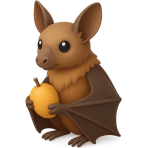
¿Qué murciélago come frutas?
👆 Click to reveal answer
#3
¿Qué murciélago come frutas?
What bat eats fruits?
✓ el murciélago frugívoro
💡 Hint: Fruit bat - eats fruits and nectar, also called flying fox, important pollinator
Example: El murciélago frugívoro come frutas maduras por la noche. The fruit bat eats ripe fruits at night.
MEDIUM
wordwalker.ca/flashcards
#4
📍
¿___ estás? (Where are you?)
👆 Click to reveal answer
#4
📍
¿___ estás? (Where are you?)
Dónde
✓ dónde
💡 Hint: Where - has accent in questions, from Latin "de unde" (from where)
Example: ¿Dónde estás ahora? Where are you now?
EASY
wordwalker.ca/flashcards
#5
👆
___ casa (your house - informal)
👆 Click to reveal answer
#5
👆
___ casa (your house - informal)
tu
✓ tu
💡 Hint: Your - informal possessive, no accent (unlike "tú" = you), same for masculine/feminine
Example: Tu casa es muy bonita. Your house is very pretty.
EASY
wordwalker.ca/flashcards
#6
🏠
¿Cómo respondes "I am from..."?
👆 Click to reveal answer
#6
🏠
¿Cómo respondes "I am from..."?
✓ soy de
💡 Hint: I'm from... - "soy" (I am) + "de" (from), uses "ser" for origin/nationality
Example: Soy de México, de la ciudad de Guadalajara. I'm from Mexico, from the city of Guadalajara.
EASY
wordwalker.ca/flashcards
#7
💧
¿Cómo dices "I'm thirsty"?
👆 Click to reveal answer
#7
💧
¿Cómo dices "I'm thirsty"?
✓ tengo sed
💡 Hint: I'm thirsty - "tener sed" (to have thirst), use "tener" not "estar" or "ser"
Example: Tengo sed, ¿me das un vaso de agua? I'm thirsty, can you give me a glass of water?
EASY
wordwalker.ca/flashcards
#8
🐒
¿Qué animal es parecido a los humanos?
👆 Click to reveal answer
#8
🐒
¿Qué animal es parecido a los humanos?
What animal is similar to humans?
✓ el mono
💡 Hint: Monkey - primate with tail, swings in trees, intelligent
Example: El mono salta de árbol en árbol en la selva. The monkey jumps from tree to tree in the jungle.
EASY
wordwalker.ca/flashcards
#9
📚
___ libros (my books - plural)
👆 Click to reveal answer
#9
📚
___ libros (my books - plural)
mis libros
✓ mis
💡 Hint: My - plural form, add -s to "mi" for plural nouns, same for masculine/feminine
Example: Mis libros están en la estantería. My books are on the shelf.
MEDIUM
wordwalker.ca/flashcards

📢 Share These Flash Cards

Help others learn Spanish! Share with friends and family:

🎮 Try the WordWalker Game (Learning Spanish for Kids)