













Dog walker character Default walker character

100% Free Forever • No Ads • No Subscriptions • Community Driven

Learn Spanish with free interactive flashcards and audio pronunciation

Multiple Categories

Plants and Animals • Greetings & Conversations • Entertainment • Medical & Emergencies • Places and Directions

Choose Categories: (Click group to expand)

🔄 New Shuffle Order
Page 1 of 65 (579 total flash cards for selected categories)
#1
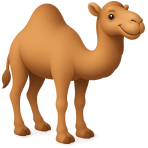
¿Qué animal del desierto tiene jorobas?
👆 Click to reveal answer
#1
¿Qué animal del desierto tiene jorobas?
What desert animal has humps?
✓ el camello
💡 Hint: Camel - stores fat in humps, survives long periods without water
Example: El camello cruza el desierto sin necesitar agua por días. The camel crosses the desert without needing water for days.
EASY
wordwalker.ca/flashcards

#2
🦈
¿Qué pez grande tiene muchos dientes?
👆 Click to reveal answer
#2
🦈
¿Qué pez grande tiene muchos dientes?
What large fish has many teeth?
✓ el tiburón
💡 Hint: Shark - large predatory fish, multiple rows of teeth, cartilage skeleton
Example: El tiburón nada rápidamente buscando presas en el océano. The shark swims quickly looking for prey in the ocean.
EASY
wordwalker.ca/flashcards
#3
🏛️
¿Qué templo antiguo tiene columnas?
👆 Click to reveal answer
#3
🏛️
¿Qué templo antiguo tiene columnas?
What ancient temple has columns?
✓ el templo
💡 Hint: Temple - ancient religious building, from Latin "templum" (sacred space)
Example: El templo romano tiene columnas antiguas muy bien conservadas. The Roman temple has ancient columns that are very well preserved.
EASY
wordwalker.ca/flashcards
#4
🌹
¿Qué flor es?
👆 Click to reveal answer
#4
🌹
¿Qué flor es?
What flower is it?
✓ la rosa
💡 Hint: Rose - classic romantic flower, has thorns, symbol of love
Example: La rosa roja es un símbolo clásico del amor. The red rose is a classic symbol of love.
EASY
wordwalker.ca/flashcards
#5
🦗
¿Qué insecto hace ruido por la noche?
👆 Click to reveal answer
#5
🦗
¿Qué insecto hace ruido por la noche?
What insect makes noise at night?
✓ el grillo
💡 Hint: Cricket - insect, chirps at night, jumps, used in sports
Example: El grillo canta toda la noche en el jardín. The cricket sings all night in the garden.
EASY
wordwalker.ca/flashcards
#6
¿Qué atracción del parque tiene subidas y bajadas rápidas?
👆 Click to reveal answer
#6
¿Qué atracción del parque tiene subidas y bajadas rápidas?
What park attraction has fast ups and downs?
✓ la montaña rusa
💡 Hint: Roller coaster - fast ride with steep drops and climbs at amusement parks
Example: Me encanta la montaña rusa del parque de atracciones Six Flags. I love the roller coaster at the Six Flags amusement park.
EASY
wordwalker.ca/flashcards
#7
🔊
¿Qué hace que el sonido sea más fuerte?
👆 Click to reveal answer
#7
🔊
¿Qué hace que el sonido sea más fuerte?
What makes the sound louder?
✓ el altavoz
💡 Hint: Speaker - amplifies sound for everyone, "bocina" also common
Example: Necesitamos un altavoz más grande para la fiesta en el jardín. We need a bigger speaker for the party in the garden.
EASY
wordwalker.ca/flashcards
#8
🗨️
¿Cómo preguntas "what's up?"
👆 Click to reveal answer
#8
🗨️
¿Cómo preguntas "what's up?"
✓ ¿qué tal?
💡 Hint: What's up? - casual greeting, literally "what such?
Example: ¡Hola! ¿Qué tal? ¿Todo bien? Hello! What's up? Everything good?
EASY
wordwalker.ca/flashcards
#9
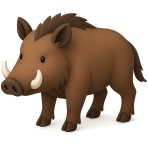
¿Qué cerdo salvaje es?
👆 Click to reveal answer
#9
¿Qué cerdo salvaje es?
What wild pig is it?
✓ el jabalí
💡 Hint: Wild boar - tusked pig, ancestor of domestic pigs, lives in forests
Example: El jabalí busca bellotas en el bosque. The wild boar searches for acorns in the forest.
MEDIUM
wordwalker.ca/flashcards

📢 Share These Flash Cards

Help others learn Spanish! Share with friends and family:

🎮 Try the WordWalker Game (Learning Spanish for Kids)