














Dog walker character Default walker character

100% Free Forever • No Ads • No Subscriptions • Community Driven

Learn Spanish with free interactive flashcards and audio pronunciation

Multiple Categories

Plants and Animals • Grammar • Weather & Environment • Greetings & Conversations • People & Relationships

Choose Categories: (Click group to expand)

🔄 New Shuffle Order
Page 1 of 112 (1000 total flash cards for selected categories)
#1
👥
___ amigos (our friends)
👆 Click to reveal answer
#1
👥
___ amigos (our friends)
nuestros
✓ nuestros
💡 Hint: Our - masculine plural, changes to "nuestra/nuestras" for feminine, from "nos" (us)
Example: Nuestros amigos vienen a cenar. Our friends are coming to dinner.
MEDIUM
wordwalker.ca/flashcards
#2
🐨
¿Qué animal duerme mucho en los árboles?
👆 Click to reveal answer
#2
🐨
¿Qué animal duerme mucho en los árboles?
What animal sleeps a lot in trees?
✓ el koala
💡 Hint: Koala - sleeps up to 20 hours, eats eucalyptus, lives in Australia
Example: El koala duerme casi todo el día en los árboles. The koala sleeps almost all day in the trees.
EASY
wordwalker.ca/flashcards
#3
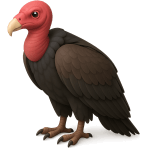
¿Qué ave come animales muertos?
👆 Click to reveal answer
#3
¿Qué ave come animales muertos?
What bird eats dead animals?
✓ el buitre
💡 Hint: Vulture - scavenger bird, bald head, important for ecosystem cleanup
Example: El buitre vuela en círculos buscando animales muertos. The vulture flies in circles looking for dead animals.
EASY
wordwalker.ca/flashcards
#4
🚫
__ __ __ ______ tocar eso.
Don't even think about touching that.
👆 Click to reveal answer
#4
🚫
__ __ __ ______ tocar eso.
✓ ni se te ocurra
💡 Hint: Don't even think about touching that.
Example: Ni se te ocurra tocar eso. Don't even think about touching that.
MEDIUM
wordwalker.ca/flashcards
#5
¿Qué flores crecen naturalmente en los campos?
👆 Click to reveal answer
#5
¿Qué flores crecen naturalmente en los campos?
What flowers grow naturally in fields?
✓ las flores silvestres
💡 Hint: Wildflowers - naturally growing flowers, colorful meadows, diverse species
Example: Las flores silvestres crecen en los prados sin ser plantadas. Wildflowers grow in meadows without being planted.
EASY
wordwalker.ca/flashcards
#6
🐑
¿Qué animal produce lana?
👆 Click to reveal answer
#6
🐑
¿Qué animal produce lana?
What animal produces wool?
✓ la oveja
💡 Hint: Sheep - woolly farm animal, "carnero" for ram
Example: La oveja tiene lana suave que usamos para hacer ropa. The sheep has soft wool that we use to make clothes.
EASY
wordwalker.ca/flashcards
#7
¿Qué tipo de relación tiene hostilidad?
👆 Click to reveal answer
#7
¿Qué tipo de relación tiene hostilidad?
What type of relationship has hostility?
✓ la enemistad
💡 Hint: Enmity - state or feeling of being actively opposed or hostile
Example: La enemistad entre las dos familias duró muchos años. The enmity between the two families lasted many years.
MEDIUM
wordwalker.ca/flashcards
#8
💧
¿Qué es el ciclo del agua?
👆 Click to reveal answer
#8
💧
¿Qué es el ciclo del agua?
What is the water cycle?
✓ evaporación y lluvia
💡 Hint: Water cycle - evaporation, condensation, precipitation
Example: El ciclo del agua incluye evaporación y lluvia. The water cycle includes evaporation and rain.
MEDIUM
wordwalker.ca/flashcards
#9
¿Qué animal construye presas en los ríos?
👆 Click to reveal answer
#9
¿Qué animal construye presas en los ríos?
What animal builds dams in rivers?
✓ el castor
💡 Hint: Beaver - builds dams in rivers, has flat tail, strong teeth, gnaws trees
Example: El castor construye presas con ramas y lodo. The beaver builds dams with branches and mud.
EASY
wordwalker.ca/flashcards

📢 Share These Flash Cards

Help others learn Spanish! Share with friends and family:

🎮 Try the WordWalker Game (Learning Spanish for Kids)