









Dog walker character Default walker character

100% Free Forever • No Ads • No Subscriptions • Community Driven

Learn Spanish with free interactive flashcards and audio pronunciation

Multiple Categories

Plants and Animals • Weather & Environment • Grammar • Recreation • Places and Directions

Choose Categories: (Click group to expand)

🔄 New Shuffle Order
Page 1 of 106 (950 total flash cards for selected categories)
#1
¡__ ___ ____! Llevamos esperando muchísimo.
About time! We've been waiting forever.
👆 Click to reveal answer
#1
¡__ ___ ____! Llevamos esperando muchísimo.
✓ ya era hora
💡 Hint: About time! We've been waiting forever.
Example: ¡Ya era hora! Llevamos esperando muchísimo. About time! We've been waiting forever.
MEDIUM
wordwalker.ca/flashcards
#2
😤
¿__ ___ ___? hablando así?
Who do you think you are talking like that?
👆 Click to reveal answer
#2
😤
¿__ ___ ___? hablando así?
✓ de qué vas
💡 Hint: Who do you think you are talking like that?
Example: ¿De qué vas hablando así? What are you talking about like that?
MEDIUM
wordwalker.ca/flashcards
#3
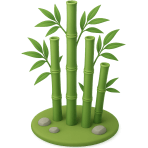
¿Qué planta alta comen los pandas?
👆 Click to reveal answer
#3
¿Qué planta alta comen los pandas?
What tall plant do pandas eat?
✓ el bambú
💡 Hint: Bamboo - fast-growing grass, favorite food of pandas, hollow stems
Example: El bambú crece muy rápido en climas húmedos. Bamboo grows very fast in humid climates.
EASY
wordwalker.ca/flashcards
#4
🚶
Ayer yo ___ al médico. (ir - to go)
👆 Click to reveal answer
#4
🚶
Ayer yo ___ al médico. (ir - to go)
fui
✓ fui
💡 Hint: I went - Irregular preterite! "ir" and "ser" share same forms, context shows meaning
Example: Ayer fui al médico por la mañana. Yesterday I went to the doctor in the morning.
HARD
wordwalker.ca/flashcards
#5
📜
¿Qué haces cuando visitas lugares históricos?
👆 Click to reveal answer
#5
📜
¿Qué haces cuando visitas lugares históricos?
What do you do when you visit historical places?
✓ visitar monumentos
💡 Hint: Visit monuments - explore historical sites, learn about culture and history
Example: Nos gusta visitar monumentos cuando viajamos a nuevas ciudades. We like to visit monuments when we travel to new cities.
EASY
wordwalker.ca/flashcards
#6
¿Qué flores crecen naturalmente en los campos?
👆 Click to reveal answer
#6
¿Qué flores crecen naturalmente en los campos?
What flowers grow naturally in fields?
✓ las flores silvestres
💡 Hint: Wildflowers - naturally growing flowers, colorful meadows, diverse species
Example: Las flores silvestres crecen en los prados sin ser plantadas. Wildflowers grow in meadows without being planted.
EASY
wordwalker.ca/flashcards
#7
Ojalá que ___ buen tiempo mañana. (hacer - to make/do)
👆 Click to reveal answer
#7
Ojalá que ___ buen tiempo mañana. (hacer - to make/do)
haga
✓ haga
💡 Hint: I hope the weather is good - "Ojalá que" (hopefully) always uses subjunctive, irregular "hacer"
Example: Ojalá que haga buen tiempo mañana. I hope the weather is good tomorrow.
HARD
wordwalker.ca/flashcards
#8
😡
Lo que hizo no _____ ______.
What he did is unbelievable.
👆 Click to reveal answer
#8
😡
Lo que hizo no _____ ______.
✓ tiene nombre
💡 Hint: What he did is unbelievable.
Example: Lo que hizo no tiene nombre. What he did is unspeakable.
MEDIUM
wordwalker.ca/flashcards
#9
¿En qué estación nieva más?
👆 Click to reveal answer
#9
¿En qué estación nieva más?
In which season does it snow the most?
✓ invierno
💡 Hint: Winter - coldest season, snow and ice
Example: En invierno los niños hacen muñecos de nieve. In winter the children make snowmen.
EASY
wordwalker.ca/flashcards

📢 Share These Flash Cards

Help others learn Spanish! Share with friends and family:

🎮 Try the WordWalker Game (Learning Spanish for Kids)