















Dog walker character Default walker character

100% Free Forever • No Ads • No Subscriptions • Community Driven

Learn Spanish with free interactive flashcards and audio pronunciation

Multiple Categories

Plants and Animals • Accommodation • Grammar • Recreation • Medical & Emergencies

Choose Categories: (Click group to expand)

🔄 New Shuffle Order
Page 1 of 120 (1080 total flash cards for selected categories)
#1
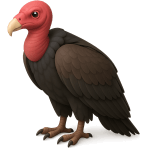
¿Qué ave come animales muertos?
👆 Click to reveal answer
#1
¿Qué ave come animales muertos?
What bird eats dead animals?
✓ el buitre
💡 Hint: Vulture - scavenger bird, bald head, important for ecosystem cleanup
Example: El buitre vuela en círculos buscando animales muertos. The vulture flies in circles looking for dead animals.
EASY
wordwalker.ca/flashcards

#2
✈️
Ella ___ a España el año pasado. (viajar - to travel)
👆 Click to reveal answer
#2
✈️
Ella ___ a España el año pasado. (viajar - to travel)
viajó
✓ viajó
💡 Hint: She traveled - Preterite completed action, -AR verb: add -ó for él/ella, accent on last syllable
Example: Ella viajó a España el año pasado. She traveled to Spain last year.
MEDIUM
wordwalker.ca/flashcards
#3
🍴
¿Dónde comes en el hotel?
👆 Click to reveal answer
#3
🍴
¿Dónde comes en el hotel?
Where do you eat in the hotel?
✓ el restaurante
💡 Hint: Restaurant - dining facility, many hotels have multiple restaurants
Example: Cenamos en el restaurante del hotel que tiene comida internacional. We had dinner at the hotel restaurant that has international food.
EASY
wordwalker.ca/flashcards
#4
🐫
¿Qué animal tiene dos jorobas?
👆 Click to reveal answer
#4
🐫
¿Qué animal tiene dos jorobas?
What animal has two humps?
✓ el camello bactriano
💡 Hint: Bactrian camel - has two humps, from Central Asia, adapted to cold deserts
Example: El camello bactriano tiene dos jorobas para almacenar grasa. The Bactrian camel has two humps to store fat.
MEDIUM
wordwalker.ca/flashcards
#5
🦨
¿Qué animal produce un olor muy fuerte para defenderse?
👆 Click to reveal answer
#5
🦨
¿Qué animal produce un olor muy fuerte para defenderse?
What animal produces a very strong smell to defend itself?
✓ el zorrillo
💡 Hint: Skunk - sprays strong-smelling liquid as defense, black with white stripes
Example: El zorrillo rocía un líquido de mal olor cuando tiene miedo. The skunk sprays a foul-smelling liquid when scared.
EASY
wordwalker.ca/flashcards
#6
🐪
¿Qué animal tiene una joroba y vive en el desierto?
👆 Click to reveal answer
#6
🐪
¿Qué animal tiene una joroba y vive en el desierto?
What animal has a hump and lives in the desert?
✓ el camello
💡 Hint: Camel - has humps for storing fat, survives in desert, can go without water for days
Example: El camello puede caminar por el desierto sin beber agua. The camel can walk through the desert without drinking water.
EASY
wordwalker.ca/flashcards
#7
¿Qué parte del árbol está bajo tierra?
👆 Click to reveal answer
#7
¿Qué parte del árbol está bajo tierra?
What part of the tree is underground?
✓ las raíces
💡 Hint: Roots - anchor tree, absorb water and nutrients from soil
Example: Las raíces del árbol absorben agua del suelo. The tree roots absorb water from the soil.
EASY
wordwalker.ca/flashcards
#8
🚿
¿Dónde te bañas en el hotel?
👆 Click to reveal answer
#8
🚿
¿Dónde te bañas en el hotel?
Where do you bathe in the hotel?
✓ la ducha
💡 Hint: Shower - for quick washing, most hotel bathrooms have shower
Example: Prefiero usar la ducha del hotel en lugar de la bañera. I prefer to use the hotel shower instead of the bathtub.
EASY
wordwalker.ca/flashcards
#9
🚫
¡No ___ eso! (do - negative tú command)
👆 Click to reveal answer
#9
🚫
¡No ___ eso! (do - negative tú command)
Don't do that!
✓ hagas
💡 Hint: Don't do that! - negative tú command uses subjunctive form
Example: ¡No hagas eso, es peligroso! Don't do that, it's dangerous!
MEDIUM
wordwalker.ca/flashcards

📢 Share These Flash Cards

Help others learn Spanish! Share with friends and family:

🎮 Try the WordWalker Game (Learning Spanish for Kids)