















Dog walker character Default walker character

100% Free Forever • No Ads • No Subscriptions • Community Driven

Learn Spanish with free interactive flashcards and audio pronunciation

Multiple Categories

People & Relationships • Plants and Animals • Grammar • Food and Dining • Greetings & Conversations

Choose Categories: (Click group to expand)

🔄 New Shuffle Order
Page 1 of 150 (1350 total flash cards for selected categories)
#1
👫
¿Qué palabra usas para "cousin" (femenino)?
👆 Click to reveal answer
#1
👫
¿Qué palabra usas para "cousin" (femenino)?
What word do you use for 'cousin' (feminine)?
✓ la prima
💡 Hint: Female cousin - child of uncle/aunt, "primo" is male
Example: Mi prima Ana es dos años mayor que yo. My cousin Ana is two years older than me.
EASY
wordwalker.ca/flashcards
#2
👩
¿Qué palabra usas para "daughter-in-law"?
👆 Click to reveal answer
#2
👩
¿Qué palabra usas para "daughter-in-law"?
What word do you use for 'daughter-in-law'?
✓ la nuera
💡 Hint: Daughter-in-law - wife of your son, "yerno" is son-in-law
Example: Mi nuera es profesora y enseña inglés en una escuela secundaria. My daughter-in-law is a teacher and teaches English at a high school.
MEDIUM
wordwalker.ca/flashcards
#3
🍗
¿Qué carne de ave es muy común?
👆 Click to reveal answer
#3
🍗
¿Qué carne de ave es muy común?
What poultry meat is very common?
✓ el pollo
💡 Hint: Common white poultry meat; versatile in many recipes.
Example: Aso el pollo con limón y romero para la cena de hoy. I roast the chicken with lemon and rosemary for tonight's dinner.
EASY
wordwalker.ca/flashcards
#4
⏱️
Ellos ___ llegado tarde. (have)
👆 Click to reveal answer
#4
⏱️
Ellos ___ llegado tarde. (have)
They have arrived late.
✓ han
💡 Hint: They have arrived late - third person plural present perfect
Example: Ellos han llegado tarde a la clase. They have arrived late to class.
MEDIUM
wordwalker.ca/flashcards
#5
🐊
¿Qué reptil grande vive en pantanos?
👆 Click to reveal answer
#5
🐊
¿Qué reptil grande vive en pantanos?
What large reptile lives in swamps?
✓ el caimán
💡 Hint: Alligator - large reptile, lives in swamps, powerful jaws, from Americas
Example: El caimán descansa en la orilla del pantano. The caiman rests on the edge of the swamp.
MEDIUM
wordwalker.ca/flashcards
#6
💔
Él ___ roto el vaso. (has broken)
👆 Click to reveal answer
#6
💔
Él ___ roto el vaso. (has broken)
He has broken the glass.
✓ ha roto
💡 Hint: He has broken the glass - irregular past participle "roto" from "romper"
Example: Él ha roto el vaso por accidente. He has broken the glass by accident.
HARD
wordwalker.ca/flashcards
#7
🍄
¿Qué hongo comestible crece en bosques?
👆 Click to reveal answer
#7
🍄
¿Qué hongo comestible crece en bosques?
What edible fungus grows in forests?
✓ la seta
💡 Hint: Edible wild mushroom; “seta” is a generic term for mushrooms.
Example: Recojo la seta fresca del bosque para cocinar con ajo y perejil. I pick the fresh mushroom from the forest to cook with garlic and parsley.
MEDIUM
wordwalker.ca/flashcards
#8
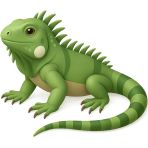
¿Qué lagarto grande es verde?
👆 Click to reveal answer
#8
¿Qué lagarto grande es verde?
What large lizard is green?
✓ la iguana
💡 Hint: Iguana - large green lizard, herbivore, has dewlap under chin
Example: La iguana toma el sol en las rocas del jardín. The iguana sunbathes on the garden rocks.
EASY
wordwalker.ca/flashcards
#9
🐹
¿Qué roedor pequeño tiene bolsas en las mejillas?
👆 Click to reveal answer
#9
🐹
¿Qué roedor pequeño tiene bolsas en las mejillas?
What small rodent has pouches in its cheeks?
✓ el hamster
💡 Hint: Hamster - small rodent, cheek pouches, stores food, popular pet
Example: El hamster guarda semillas en sus mejillas. The hamster stores seeds in its cheeks.
EASY
wordwalker.ca/flashcards

📢 Share These Flash Cards

Help others learn Spanish! Share with friends and family:

🎮 Try the WordWalker Game (Learning Spanish for Kids)