













Dog walker character Default walker character

100% Free Forever • No Ads • No Subscriptions • Community Driven

Learn Spanish with free interactive flashcards and audio pronunciation

Multiple Categories

People & Relationships • Greetings & Conversations • Plants and Animals • Medical & Emergencies

Choose Categories: (Click group to expand)

🔄 New Shuffle Order
Page 1 of 70 (630 total flash cards for selected categories)
#1
🌄
¿Qué significa "hasta mañana"?
👆 Click to reveal answer
#1
🌄
¿Qué significa "hasta mañana"?
✓ see you tomorrow
💡 Hint: See you tomorrow - "hasta" (until) + "mañana" (tomorrow/morning), confirms next-day meeting
Example: Hasta mañana, te veo en la escuela. See you tomorrow, I'll see you at school.
EASY
wordwalker.ca/flashcards
#2
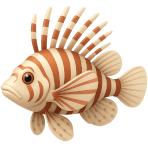
¿Qué pez venenoso tiene espinas?
👆 Click to reveal answer
#2
¿Qué pez venenoso tiene espinas?
What venomous fish has spines?
✓ el pez león
💡 Hint: Lionfish - striped venomous fish, invasive species in some areas
Example: El pez león tiene espinas venenosas muy peligrosas. The lionfish has very dangerous venomous spines.
MEDIUM
wordwalker.ca/flashcards
#3
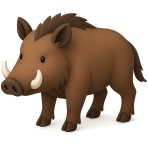
¿Qué cerdo salvaje es?
👆 Click to reveal answer
#3
¿Qué cerdo salvaje es?
What wild pig is it?
✓ el jabalí
💡 Hint: Wild boar - tusked pig, ancestor of domestic pigs, lives in forests
Example: El jabalí busca bellotas en el bosque. The wild boar searches for acorns in the forest.
MEDIUM
wordwalker.ca/flashcards
#4
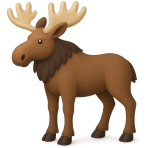
¿Qué animal tiene astas grandes?
👆 Click to reveal answer
#4
¿Qué animal tiene astas grandes?
What animal has large antlers?
✓ el alce
💡 Hint: Moose - largest deer species, massive antlers, lives in northern forests
Example: El alce cruza el río con sus enormes astas. The moose crosses the river with its huge antlers.
MEDIUM
wordwalker.ca/flashcards
#5
¿Qué emoción causa llanto?
👆 Click to reveal answer
#5
¿Qué emoción causa llanto?
What emotion causes crying?
✓ la tristeza
💡 Hint: Sadness - feeling of sorrow or unhappiness
Example: La tristeza la invadió cuando su mejor amiga se mudó lejos. Sadness invaded her when her best friend moved far away.
EASY
wordwalker.ca/flashcards
#6
👶
En español, ¿qué es "child" o "kid"?
👆 Click to reveal answer
#6
👶
En español, ¿qué es "child" o "kid"?
In Spanish, what is 'child' or 'kid'?
✓ el niño
💡 Hint: Child - young person, "niña" is girl
Example: El niño juega en el parque con sus amigos. The child plays in the park with his friends.
EASY
wordwalker.ca/flashcards
#7
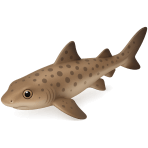
¿Qué pequeño tiburón es?
👆 Click to reveal answer
#7
¿Qué pequeño tiburón es?
What small shark is it?
✓ el cazón
💡 Hint: Dogfish - small shark species, commonly used in research
Example: El cazón es un tiburón pequeño que vive en aguas costeras. The dogfish is a small shark that lives in coastal waters.
MEDIUM
wordwalker.ca/flashcards
#8
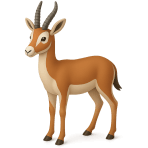
¿Qué animal africano salta alto?
👆 Click to reveal answer
#8
¿Qué animal africano salta alto?
What African animal jumps high?
✓ la gacela
💡 Hint: Gazelle - graceful antelope, can leap high, very fast
Example: La gacela salta con elegancia para escapar del león. The gazelle leaps gracefully to escape the lion.
MEDIUM
wordwalker.ca/flashcards
#9
🥵
¿Cómo dices "I'm hot" (feeling heat)?
👆 Click to reveal answer
#9
🥵
¿Cómo dices "I'm hot" (feeling heat)?
✓ tengo calor
💡 Hint: I'm hot - "tener calor" (to have heat), use "tener" not "estar
Example: Tengo mucho calor, voy a abrir la ventana. I'm very hot, I'm going to open the window.
EASY
wordwalker.ca/flashcards

📢 Share These Flash Cards

Help others learn Spanish! Share with friends and family:

🎮 Try the WordWalker Game (Learning Spanish for Kids)