













Dog walker character Default walker character

100% Free Forever • No Ads • No Subscriptions • Community Driven

Learn Spanish with free interactive flashcards and audio pronunciation

Multiple Categories

People & Relationships • Food and Dining • Greetings & Conversations • Places and Directions • Medical & Emergencies

Choose Categories: (Click group to expand)

🔄 New Shuffle Order
Page 1 of 109 (980 total flash cards for selected categories)
#1
🥒
¿Qué verdura verde y larga está en las ensaladas?
👆 Click to reveal answer
#1
🥒
¿Qué verdura verde y larga está en las ensaladas?
What long green vegetable is in salads?
✓ el pepino
💡 Hint: Crunchy green salad vegetable; high water content and mild taste.
Example: Corto el pepino en rodajas finas para la ensalada griega. I cut the cucumber into thin slices for the Greek salad.
MEDIUM
wordwalker.ca/flashcards
#2
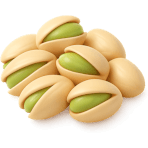
¿Qué nuez verde comes de aperitivo?
👆 Click to reveal answer
#2
¿Qué nuez verde comes de aperitivo?
What green nut do you eat as snack?
✓ los pistachos
💡 Hint: Green nut in beige shell, popular snack from Middle East
Example: Abro las cáscaras de los pistachos salados para comerlos mientras miro TV. I open the salted pistachio shells to eat them while watching TV.
MEDIUM
wordwalker.ca/flashcards
#3
🤓
¿Cómo dirías "intelligent"?
👆 Click to reveal answer
#3
🤓
¿Cómo dirías "intelligent"?
How would you say 'intelligent'?
✓ inteligente
💡 Hint: Intelligent - smart, "listo" means clever
Example: Mi amiga es muy inteligente y siempre saca buenas notas. My friend is very intelligent and always gets good grades.
EASY
wordwalker.ca/flashcards
#4
🍳
¿Cómo se preparan los huevos en sartén?
👆 Click to reveal answer
#4
🍳
¿Cómo se preparan los huevos en sartén?
How are eggs prepared in a pan?
✓ fritos
💡 Hint: "Freír" = to fry. "Huevos fritos" are very common in Spain
Example: Preparo los huevos fritos con aceite de oliva en el sartén. I prepare the fried eggs with olive oil in the pan.
MEDIUM
wordwalker.ca/flashcards
#5
🥜
¿De qué nuez se hace la mantequilla de maní?
👆 Click to reveal answer
#5
🥜
¿De qué nuez se hace la mantequilla de maní?
What nut is peanut butter made from?
✓ el maní
💡 Hint: Technically a legume; ground into a creamy spread.
Example: Tuesto el maní en el horno para hacer mantequilla casera. I roast the peanuts in the oven to make homemade butter.
EASY
wordwalker.ca/flashcards
#6
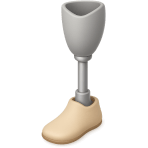
¿Cómo se llama un reemplazo artificial para una parte del cuerpo?
👆 Click to reveal answer
#6
¿Cómo se llama un reemplazo artificial para una parte del cuerpo?
What is an artificial replacement for a body part called?
✓ la prótesis
💡 Hint: Prosthetic - artificial device replacing missing body parts
Example: Después del accidente le colocaron la prótesis de pierna. After the accident they fitted him with a leg prosthesis.
MEDIUM
wordwalker.ca/flashcards
#7
¿Qué tienes cuando te duele un diente?
👆 Click to reveal answer
#7
¿Qué tienes cuando te duele un diente?
What do you have when your tooth hurts?
✓ el dolor de muelas
💡 Hint: Toothache - pain in tooth, often caused by cavity ("caries")
Example: Fui al dentista por el dolor de muelas que no paraba. I went to the dentist for the toothache that wouldn't stop.
EASY
wordwalker.ca/flashcards
#8
¿Con qué palillos limpias tus dientes?
👆 Click to reveal answer
#8
¿Con qué palillos limpias tus dientes?
What small sticks do you clean your teeth with?
✓ los palillos de dientes
💡 Hint: Small wooden or plastic picks for removing food from teeth
Example: Uso los palillos de dientes después de comer carne. I use toothpicks after eating meat.
EASY
wordwalker.ca/flashcards
#9
🤷
¿Cómo dices "I don't know"?
👆 Click to reveal answer
#9
🤷
¿Cómo dices "I don't know"?
✓ no sé
💡 Hint: I don't know - "no sé" from "saber" (to know facts), not "conocer" (to know people/places)
Example: No sé dónde está mi teléfono. I don't know where my phone is.
EASY
wordwalker.ca/flashcards

📢 Share These Flash Cards

Help others learn Spanish! Share with friends and family:

🎮 Try the WordWalker Game (Learning Spanish for Kids)