













Dog walker character Default walker character

100% Free Forever • No Ads • No Subscriptions • Community Driven

Learn Spanish with free interactive flashcards and audio pronunciation

Multiple Categories

People & Relationships • Accommodation • Greetings & Conversations • Entertainment • Weather & Environment • Food and Dining

Choose Categories: (Click group to expand)

🔄 New Shuffle Order
Page 1 of 139 (1249 total flash cards for selected categories)
#1
¿Qué helado dulce y salado tiene sabor a caramelo?
👆 Click to reveal answer
#1
¿Qué helado dulce y salado tiene sabor a caramelo?
What sweet and salty ice cream has caramel flavor?
✓ el helado de caramelo salado
💡 Hint: Ice cream with sweet caramel flavor enhanced by a touch of sea salt
Example: Disfruto el helado de caramelo salado con trocitos de chocolate oscuro. I enjoy salted caramel ice cream with bits of dark chocolate.
MEDIUM
wordwalker.ca/flashcards
#2
🤢
¿Cómo dices "I feel sick"?
👆 Click to reveal answer
#2
🤢
¿Cómo dices "I feel sick"?
✓ me siento mal
💡 Hint: I feel sick - "sentirse mal" (to feel bad), "estar enfermo" also works but means specifically ill
Example: Me siento mal, creo que tengo fiebre. I feel sick, I think I have a fever.
MEDIUM
wordwalker.ca/flashcards
#3
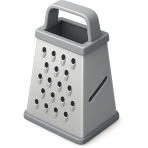
¿Con qué rallas el queso?
👆 Click to reveal answer
#3
¿Con qué rallas el queso?
What do you grate cheese with?
✓ el rallador de queso
💡 Hint: Kitchen tool with sharp holes for shredding cheese
Example: Uso el rallador de queso para hacer tiras finas de parmesano sobre la pasta. I use the cheese grater to make fine strips of parmesan over the pasta.
MEDIUM
wordwalker.ca/flashcards
#4
🏰
¿Qué alojamiento es una casa grande y lujosa?
👆 Click to reveal answer
#4
🏰
¿Qué alojamiento es una casa grande y lujosa?
What accommodation is a large luxurious house?
✓ la villa
💡 Hint: Luxury villa or mansion
Example: Celebramos la boda en la villa con vista al mar y piscina privada. We celebrated the wedding at the villa with ocean views and a private pool.
MEDIUM
wordwalker.ca/flashcards
#5
¿Qué habitación tiene dos camas?
👆 Click to reveal answer
#5
¿Qué habitación tiene dos camas?
What room has two beds?
✓ la habitación doble
💡 Hint: Double room - two beds or one large bed, "doble" means double
Example: Reservamos la habitación doble para mi hermano y yo. We reserved the double room for my brother and me.
MEDIUM
wordwalker.ca/flashcards
#6
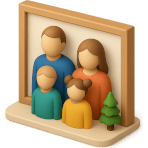
La palabra española para "family" es...
👆 Click to reveal answer
#6
La palabra española para "family" es...
The Spanish word for 'family' is...
✓ la familia
💡 Hint: Family - all relatives together, feminine noun
Example: La familia se reúne cada domingo para comer juntos. The family gathers every Sunday to eat together.
EASY
wordwalker.ca/flashcards
#7
🥄
¿Cómo pides "can I have a spoon?"
👆 Click to reveal answer
#7
🥄
¿Cómo pides "can I have a spoon?"
How do you ask 'can I have a spoon?'
✓ ¿me puede dar una cuchara?
💡 Hint: Can I have a spoon? - "me puede dar" (can you give me), "cuchara" (spoon - feminine), for soup/dessert
Example: Pregunto al mesero: ¿me puede dar una cuchara para el postre? I ask the waiter: can you give me a spoon for dessert?
MEDIUM
wordwalker.ca/flashcards
#8
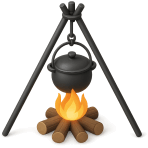
¿Dónde cocinas cuando vas de campamento?
👆 Click to reveal answer
#8
¿Dónde cocinas cuando vas de campamento?
Where do you cook when you go camping?
✓ en la fogata
💡 Hint: Cooking over an open fire outdoors while camping
Example: Asamos malvaviscos en la fogata bajo las estrellas en el bosque. We roast marshmallows at the campfire under the stars in the forest.
MEDIUM
wordwalker.ca/flashcards
#9
🔍
¿Cómo dices "I don't know"?
👆 Click to reveal answer
#9
🔍
¿Cómo dices "I don't know"?
✓ no sé
💡 Hint: I don't know - "sé" from "saber" (to know facts), different from "conocer" (to know people/places)
Example: — ¿Dónde está Juan? — No sé, no lo he visto. — Where is Juan? — I don't know, I haven't seen him.
EASY
wordwalker.ca/flashcards

📢 Share These Flash Cards

Help others learn Spanish! Share with friends and family:

🎮 Try the WordWalker Game (Learning Spanish for Kids)