












Dog walker character Default walker character

100% Free Forever • No Ads • No Subscriptions • Community Driven

Learn Spanish with free interactive flashcards and audio pronunciation

Multiple Categories

Numbers, Colors & Time • Recreation • Greetings & Conversations • Plants and Animals • Places and Directions

Choose Categories: (Click group to expand)

🔄 New Shuffle Order
Page 1 of 73 (650 total flash cards for selected categories)
#1
🤷
¿Cómo dices "maybe"?
👆 Click to reveal answer
#1
🤷
¿Cómo dices "maybe"?
✓ tal vez
💡 Hint: Maybe - literally "such time
Example: Tal vez vaya al cine mañana, no estoy seguro. Maybe I'll go to the movies tomorrow, I'm not sure.
MEDIUM
wordwalker.ca/flashcards
#2
2️⃣
¿Cuántos ojos tiene una persona?
👆 Click to reveal answer
#2
2️⃣
¿Cuántos ojos tiene una persona?
How many eyes does a person have?
✓ dos
💡 Hint: Two - from Latin "duos
Example: Tengo dos hermanos mayores. I have two older brothers.
EASY
wordwalker.ca/flashcards
#3
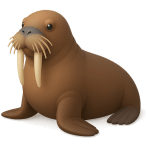
¿Qué animal del Ártico tiene colmillos largos?
👆 Click to reveal answer
#3
¿Qué animal del Ártico tiene colmillos largos?
What Arctic animal has long tusks?
✓ la morsa
💡 Hint: Walrus - large tusks, thick blubber, lives in Arctic waters
Example: La morsa usa sus colmillos para subir al hielo. The walrus uses its tusks to climb onto the ice.
MEDIUM
wordwalker.ca/flashcards
#4
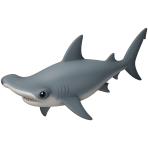
¿Qué tiburón tiene cabeza en forma de T?
👆 Click to reveal answer
#4
¿Qué tiburón tiene cabeza en forma de T?
What shark has a T-shaped head?
✓ el tiburón martillo
💡 Hint: Hammerhead shark - distinctive hammer-shaped head, enhanced vision
Example: El tiburón martillo tiene ojos en los extremos de su cabeza. The hammerhead shark has eyes at the ends of its head.
MEDIUM
wordwalker.ca/flashcards
#5
👋
¿Cómo saludas a alguien por la mañana?
👆 Click to reveal answer
#5
👋
¿Cómo saludas a alguien por la mañana?
✓ buenos días
💡 Hint: Good morning - literally "good days" (plural), from Latin "bonus dies
Example: ¡Buenos días! ¿Cómo amaneciste hoy? Good morning! How did you wake up today?
EASY
wordwalker.ca/flashcards
#6
🍽️
¿Cómo dices "I'm hungry"?
👆 Click to reveal answer
#6
🍽️
¿Cómo dices "I'm hungry"?
✓ tengo hambre
💡 Hint: I'm hungry - "tener hambre" (to have hunger), use "tener" not "estar" or "ser"
Example: Tengo hambre, ¿vamos a comer algo? I'm hungry, shall we eat something?
EASY
wordwalker.ca/flashcards
#7
👂
¿Cómo pides que repitan algo?
👆 Click to reveal answer
#7
👂
¿Cómo pides que repitan algo?
✓ ¿cómo?
💡 Hint: What? (asking to repeat) - "¿cómo?" (how?) is more polite than "¿qué?" in this context
Example: ¿Cómo? No te escuché bien, ¿puedes repetir? What? I didn't hear you well, can you repeat?
EASY
wordwalker.ca/flashcards
#8
🍀
¿Cómo deseas buena suerte?
👆 Click to reveal answer
#8
🍀
¿Cómo deseas buena suerte?
✓ buena suerte
💡 Hint: Good luck - "buena suerte" (good luck), "suerte" is feminine singular
Example: ¡Buena suerte en tu entrevista de trabajo! Good luck in your job interview!
EASY
wordwalker.ca/flashcards
#9
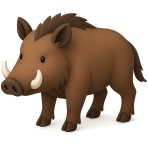
¿Qué cerdo salvaje es?
👆 Click to reveal answer
#9
¿Qué cerdo salvaje es?
What wild pig is it?
✓ el jabalí
💡 Hint: Wild boar - tusked pig, ancestor of domestic pigs, lives in forests
Example: El jabalí busca bellotas en el bosque. The wild boar searches for acorns in the forest.
MEDIUM
wordwalker.ca/flashcards

📢 Share These Flash Cards

Help others learn Spanish! Share with friends and family:

🎮 Try the WordWalker Game (Learning Spanish for Kids)