









Dog walker character Default walker character

100% Free Forever • No Ads • No Subscriptions • Community Driven

Learn Spanish with free interactive flashcards and audio pronunciation

Multiple Categories

Numbers, Colors & Time • Grammar • Places and Directions • People & Relationships • Entertainment • Medical & Emergencies

Choose Categories: (Click group to expand)

🔄 New Shuffle Order
Page 1 of 104 (929 total flash cards for selected categories)
#1
📆
¿En qué mes celebramos el Día de los Inocentes (April Fools)?
👆 Click to reveal answer
#1
📆
¿En qué mes celebramos el Día de los Inocentes (April Fools)?
In what month do we celebrate April Fools' Day?
✓ abril
💡 Hint: April - possibly from Latin "aperire" (to open) for spring flowers, "Día de los Inocentes" April 1st
Example: Las flores florecen en abril. The flowers bloom in April.
EASY
wordwalker.ca/flashcards

#2
¿Qué haces cuando participas en las elecciones?
👆 Click to reveal answer
#2
¿Qué haces cuando participas en las elecciones?
What do you do when you participate in elections?
✓ voto
💡 Hint: Vote - participate in elections by casting your vote for candidates
Example: Cada ciudadano mayor de edad tiene el derecho de votar en las elecciones. Every citizen of legal age has the right to vote in elections.
MEDIUM
wordwalker.ca/flashcards
#3
↩️
¿Qué haces para volver?
👆 Click to reveal answer
#3
↩️
¿Qué haces para volver?
What do you do to return?
✓ regresar
💡 Hint: Return/go back - "volver" also means to return, from "re-" + "gresar"
Example: Tengo que regresar a casa antes de las seis de la tarde. I have to return home before six in the evening.
EASY
wordwalker.ca/flashcards
#4
¿Cómo se llama la persona que recibe tratamiento médico?
👆 Click to reveal answer
#4
¿Cómo se llama la persona que recibe tratamiento médico?
What do you call the person who receives medical treatment?
✓ el paciente
💡 Hint: Patient - person receiving medical care, from Latin "patiens" (suffering)
Example: El paciente llegó con dolor agudo en el abdomen. The patient arrived with sharp abdominal pain.
EASY
wordwalker.ca/flashcards
#5
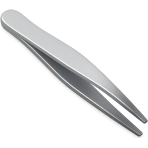
¿Con qué quitan astillas o suturas?
👆 Click to reveal answer
#5
¿Con qué quitan astillas o suturas?
What do they remove splinters or stitches with?
✓ las pinzas
💡 Hint: Tweezers - small gripping tool for removing splinters and stitches
Example: El doctor usó las pinzas para sacar la astilla. The doctor used the tweezers to remove the splinter.
MEDIUM
wordwalker.ca/flashcards
#6
💬
_ ____, no es que no quiera… es que no puedo.
I mean, it's not that I don't want to… I just can't.
👆 Click to reveal answer
#6
💬
_ ____, no es que no quiera… es que no puedo.
✓ o sea
💡 Hint: I mean, it's not that I don't want to… I just can't.
Example: O sea, no es que no quiera… es que no puedo. I mean, it's not that I don't want to... it's that I can't.
MEDIUM
wordwalker.ca/flashcards
#7
🟢
¿De qué color son las hojas de los árboles en primavera?
👆 Click to reveal answer
#7
🟢
¿De qué color son las hojas de los árboles en primavera?
What color are the leaves of trees in spring?
✓ verde
💡 Hint: Green - no gender change, also means "unripe" (fruta verde), nature and plant color
Example: Me encanta el color verde de los árboles. I love the green color of the trees.
EASY
wordwalker.ca/flashcards
#8
📚
_ ______ __ _____ estudio todos los días.
From now on I study every day.
👆 Click to reveal answer
#8
📚
_ ______ __ _____ estudio todos los días.
✓ a partir de ahora
💡 Hint: From now on I study every day.
Example: A partir de ahora estudio todos los días. From now on I study every day.
MEDIUM
wordwalker.ca/flashcards
#9
Ojalá que ___ buen tiempo mañana. (hacer - to make/do)
👆 Click to reveal answer
#9
Ojalá que ___ buen tiempo mañana. (hacer - to make/do)
haga
✓ haga
💡 Hint: I hope the weather is good - "Ojalá que" (hopefully) always uses subjunctive, irregular "hacer"
Example: Ojalá que haga buen tiempo mañana. I hope the weather is good tomorrow.
HARD
wordwalker.ca/flashcards

📢 Share These Flash Cards

Help others learn Spanish! Share with friends and family:

🎮 Try the WordWalker Game (Learning Spanish for Kids)