














Dog walker character Default walker character

100% Free Forever • No Ads • No Subscriptions • Community Driven

Learn Spanish with free interactive flashcards and audio pronunciation

Multiple Categories

Medical & Emergencies • Transportation • Plants and Animals • Numbers, Colors & Time

Choose Categories: (Click group to expand)

🔄 New Shuffle Order
Page 1 of 73 (650 total flash cards for selected categories)
#1
🐨
¿Qué animal come eucalipto?
👆 Click to reveal answer
#1
🐨
¿Qué animal come eucalipto?
What animal eats eucalyptus?
✓ el koala
💡 Hint: Koala - looks like bear, eats eucalyptus leaves, Australian marsupial
Example: El koala pasa la mayor parte del día durmiendo en los árboles. The koala spends most of the day sleeping in trees.
EASY
wordwalker.ca/flashcards

#2
¿Cómo se llama el profesional que atiende emergencias fuera del hospital?
👆 Click to reveal answer
#2
¿Cómo se llama el profesional que atiende emergencias fuera del hospital?
What is the professional called who attends emergencies outside the hospital?
✓ el paramédico
💡 Hint: Paramedic provides pre-hospital emergency care and transport
Example: El paramédico estabilizó al paciente en la ambulancia. The paramedic stabilized the patient in the ambulance.
MEDIUM
wordwalker.ca/flashcards
#3
🟤
¿De qué color son la mayoría de los osos?
👆 Click to reveal answer
#3
🟤
¿De qué color son la mayoría de los osos?
What color are most bears?
✓ marrón
💡 Hint: Brown - from French "marron" (chestnut), Latin America often uses "café
Example: Los osos son de color marrón. Bears are brown in color.
EASY
wordwalker.ca/flashcards
#4
🔢
¿Cuánto es mil multiplicado por mil?
👆 Click to reveal answer
#4
🔢
¿Cuánto es mil multiplicado por mil?
How much is one thousand multiplied by one thousand?
✓ un millón
💡 Hint: One million - masculine noun, uses "un" before it, requires "de" before another noun
Example: La ciudad tiene más de un millón de habitantes. The city has more than one million inhabitants.
HARD
wordwalker.ca/flashcards
#5
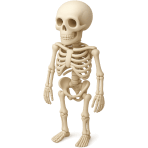
¿Cómo se llama el conjunto de huesos del cuerpo?
👆 Click to reveal answer
#5
¿Cómo se llama el conjunto de huesos del cuerpo?
What do you call the set of bones in the body?
✓ el esqueleto
💡 Hint: Skeleton - framework of bones, adult has 206 bones
Example: En la clase vimos el esqueleto humano completo. In class we saw the complete human skeleton.
MEDIUM
wordwalker.ca/flashcards
#6
🚴
¿Dónde van las bicicletas?
👆 Click to reveal answer
#6
🚴
¿Dónde van las bicicletas?
Where do bicycles go?
✓ la ciclovía
💡 Hint: Bike lane - dedicated path for cyclists, promotes safe cycling
Example: La ciudad construyó una ciclovía nueva para promover el transporte ecológico. The city built a new bike lane to promote ecological transportation.
MEDIUM
wordwalker.ca/flashcards
#7
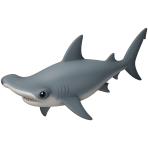
¿Qué tiburón tiene cabeza en forma de T?
👆 Click to reveal answer
#7
¿Qué tiburón tiene cabeza en forma de T?
What shark has a T-shaped head?
✓ el tiburón martillo
💡 Hint: Hammerhead shark - distinctive hammer-shaped head, enhanced vision
Example: El tiburón martillo tiene ojos en los extremos de su cabeza. The hammerhead shark has eyes at the ends of its head.
MEDIUM
wordwalker.ca/flashcards
#8
¿Qué flor tiene forma de campana?
👆 Click to reveal answer
#8
¿Qué flor tiene forma de campana?
What flower has a bell shape?
✓ la campanilla
💡 Hint: Bellflower - bell-shaped flowers, often blue or purple, delicate
Example: La campanilla tiene flores azules con forma de campana. The bluebell has blue bell-shaped flowers.
MEDIUM
wordwalker.ca/flashcards
#9
🦠
¿Qué causa enfermedades contagiosas?
👆 Click to reveal answer
#9
🦠
¿Qué causa enfermedades contagiosas?
What causes contagious diseases?
✓ la infección
💡 Hint: Infection - caused by bacteria, viruses, or other pathogens entering the body
Example: La infección se extendió por falta de higiene. The infection spread due to lack of hygiene.
MEDIUM
wordwalker.ca/flashcards

📢 Share These Flash Cards

Help others learn Spanish! Share with friends and family:

🎮 Try the WordWalker Game (Learning Spanish for Kids)