






Dog walker character Default walker character

Multiple Categories

Medical & Emergencies • Recreation • Plants and Animals • Entertainment

Choose Categories: (Click to add/remove)

🔄 New Shuffle Order
Page 1 of 69 (615 total flash cards)
#1
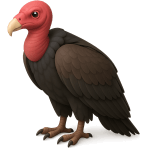
¿Qué ave come animales muertos?
👆 Click to reveal answer
#1
¿Qué ave come animales muertos?
What bird eats dead animals?
✓ el buitre the vulture
💡 Hint: Vulture - scavenger bird, bald head, important for ecosystem cleanup
EASY
wordwalker.ca/flashcards
#2
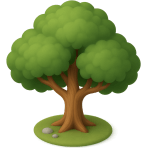
¿Qué árbol fuerte produce bellotas?
👆 Click to reveal answer
#2
¿Qué árbol fuerte produce bellotas?
What strong tree produces acorns?
✓ el roble the oak tree
💡 Hint: Oak tree - strong hardwood tree, produces acorns, symbol of strength
EASY
wordwalker.ca/flashcards
#3
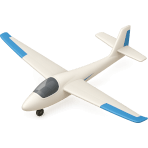
¿Qué avión vuela sin motor?
👆 Click to reveal answer
#3
¿Qué avión vuela sin motor?
What airplane flies without an engine?
✓ el planeador the glider plane
💡 Hint: Glider - engineless aircraft that flies using air currents and thermals
Example: El planeador flotó silenciosamente sobre las montañas. The glider floated silently over the mountains.
EASY
wordwalker.ca/flashcards
#4
🦗
¿Qué insecto hace ruido por la noche?
👆 Click to reveal answer
#4
🦗
¿Qué insecto hace ruido por la noche?
What insect makes noise at night?
✓ el grillo the cricket
💡 Hint: Cricket - insect, chirps at night, jumps, used in sports
EASY
wordwalker.ca/flashcards
#5
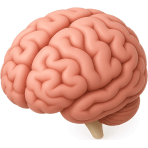
¿Qué órgano controla el cuerpo?
👆 Click to reveal answer
#5
¿Qué órgano controla el cuerpo?
What organ controls the body?
✓ el cerebro the brain
💡 Hint: Brain - controls all body functions, from Latin "cerebrum"
Example: El cerebro procesa la información que recibimos cada segundo. The brain processes the information we receive every second.
MEDIUM
wordwalker.ca/flashcards
#6
🌡️
¿Con qué mides la fiebre?
👆 Click to reveal answer
#6
🌡️
¿Con qué mides la fiebre?
What do you measure fever with?
✓ el termómetro the thermometer
💡 Hint: Thermometer - measures body temperature, digital now common
Example: Puso el termómetro bajo la lengua para medir la fiebre. He placed the thermometer under the tongue to measure the fever.
EASY
wordwalker.ca/flashcards
#7
📸
¿Qué usas para tomar fotos?
👆 Click to reveal answer
#7
📸
¿Qué usas para tomar fotos?
What do you use to take photos?
✓ la cámara the camera
💡 Hint: Camera - captures memories, smartphone cameras now common
Example: Llevé mi cámara para capturar el atardecer. I brought my camera to capture the sunset.
EASY
wordwalker.ca/flashcards
#8
¿Qué animal tiene máscara en la cara?
👆 Click to reveal answer
#8
¿Qué animal tiene máscara en la cara?
What animal has a mask on its face?
✓ el mapache the raccoon
💡 Hint: Raccoon - masked bandit face, ringed tail, washes food before eating
MEDIUM
wordwalker.ca/flashcards
#9
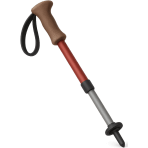
¿Qué usas para caminar en la montaña?
👆 Click to reveal answer
#9
¿Qué usas para caminar en la montaña?
What do you use to walk in the mountains?
✓ el bastón de senderismo the walking stick
💡 Hint: Walking stick - hiking pole for stability and support on trails, reduces knee strain
Example: Uso bastones de senderismo para aliviar el esfuerzo en las rodillas. I use hiking poles to ease the strain on my knees.
MEDIUM
wordwalker.ca/flashcards

📢 Share These Flash Cards

Help others learn Spanish! Share with friends and family:

🎮 Try the WordWalker Game (Learning Spanish for Kids)