














Dog walker character Default walker character

Multiple Categories

Medical & Emergencies • Entertainment • Work and Business • Food and Dining • Greetings & Conversations • Places and Directions

Choose Categories: (Click to add/remove)

🔄 New Shuffle Order
Page 1 of 111 (994 total flash cards)
#1
¿Qué palabra usas para "tongue"?
👆 Click to reveal answer
#1
¿Qué palabra usas para "tongue"?
What word do you use for "tongue"?
✓ la lengua the tongue
💡 Hint: Tongue - organ for taste and speech
Example: La lengua me ardía por comer algo muy picante. My tongue burned from eating something very spicy.
EASY
wordwalker.ca/flashcards
#2
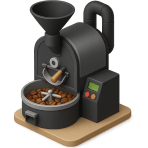
¿En qué máquina tuestas los granos de café?
👆 Click to reveal answer
#2
¿En qué máquina tuestas los granos de café?
In what machine do you roast coffee beans?
✓ el tostador de café the coffee roaster
💡 Hint: Specialized machine that heats green coffee beans to develop flavor and aroma
Example: Tuesto los granos verdes en el tostador de café hasta que estén marrones. I roast the green beans in the coffee roaster until they're brown.
HARD
wordwalker.ca/flashcards
#3
🍮
¿Qué postre dulce tiene caramelo?
👆 Click to reveal answer
#3
🍮
¿Qué postre dulce tiene caramelo?
What sweet dessert has caramel?
✓ el flan the flan
💡 Hint: Caramel-topped custard dessert popular in many countries.
Example: Preparo el flan casero con caramelo para el postre familiar. I prepare the homemade flan with caramel for the family dessert.
MEDIUM
wordwalker.ca/flashcards
#4
¿Cómo se llama la persona que recibe tratamiento médico?
👆 Click to reveal answer
#4
¿Cómo se llama la persona que recibe tratamiento médico?
What do you call the person who receives medical treatment?
✓ el paciente the patient
💡 Hint: Patient - person receiving medical care, from Latin "patiens" (suffering)
Example: El paciente llegó con dolor agudo en el abdomen. The patient arrived with sharp abdominal pain.
EASY
wordwalker.ca/flashcards
#5
🎭
¿Qué usas para cubrir tu cara en teatro?
👆 Click to reveal answer
#5
🎭
¿Qué usas para cubrir tu cara en teatro?
What do you use to cover your face in theater?
✓ la máscara the mask
💡 Hint: Mask - theatrical face covering, used in ancient Greek drama
Example: Los actores usaron la máscara en la obra de teatro griego. The actors used masks in the Greek theater play.
EASY
wordwalker.ca/flashcards
#6
🎟️
¿Qué compras para entrar al cine?
👆 Click to reveal answer
#6
🎟️
¿Qué compras para entrar al cine?
What do you buy to enter the cinema?
✓ el boleto the ticket
💡 Hint: Ticket - "boleto" in Latin America, "entrada" in Spain for admission
Example: Compré el boleto en línea para evitar la fila del cine. I bought the ticket online to avoid the movie theater line.
EASY
wordwalker.ca/flashcards
#7
¿En qué cono crujiente pones helado?
👆 Click to reveal answer
#7
¿En qué cono crujiente pones helado?
What crispy cone do you put ice cream in?
✓ el cono de waffle the waffle cone
💡 Hint: Crispy waffle-textured cone for holding ice cream
Example: Pido dos bolas de helado en el cono de waffle crujiente. I order two scoops of ice cream in a crispy waffle cone.
MEDIUM
wordwalker.ca/flashcards
#8
🧩
¿Qué armas juntando piezas?
👆 Click to reveal answer
#8
🧩
¿Qué armas juntando piezas?
What do you assemble putting pieces together?
✓ el rompecabezas the puzzle
💡 Hint: Puzzle - "rompecabezas" literally means "head breaker
Example: Pasamos la tarde armando el rompecabezas de mil piezas. We spent the afternoon putting together the thousand-piece puzzle.
EASY
wordwalker.ca/flashcards
#9
👋
¿Cómo preguntas "how are you?"
👆 Click to reveal answer
#9
👋
¿Cómo preguntas "how are you?"
✓ ¿cómo estás? how are you?
💡 Hint: How are you? - informal tú form, "¿cómo está?" for usted formal, from "estar" (to be)
Example: Hola María, ¿cómo estás? Te ves muy feliz. Hello María, how are you? You look very happy.
EASY
wordwalker.ca/flashcards

📢 Share These Flash Cards

Help others learn Spanish! Share with friends and family:

🎮 Try the WordWalker Game (Learning Spanish for Kids)