









Dog walker character Default walker character

100% Free Forever • No Ads • No Subscriptions • Community Driven

Learn Spanish with free interactive flashcards and audio pronunciation

Multiple Categories

Medical & Emergencies • Work and Business • Greetings & Conversations • Food and Dining • Transportation • Weather & Environment

Choose Categories: (Click group to expand)

🔄 New Shuffle Order
Page 1 of 139 (1250 total flash cards for selected categories)
#1
🌬️
¿Cómo se llama el viento suave?
👆 Click to reveal answer
#1
🌬️
¿Cómo se llama el viento suave?
What's a gentle wind called?
✓ brisa
💡 Hint: Breeze - gentle wind, pleasant on warm days
Example: La brisa marina nos refresca en la playa. The sea breeze refreshes us at the beach.
MEDIUM
wordwalker.ca/flashcards
#2
¿Con qué tapón natural se cierra una botella de vino?
👆 Click to reveal answer
#2
¿Con qué tapón natural se cierra una botella de vino?
What natural stopper closes a wine bottle?
✓ el tapón de corcho
💡 Hint: Natural stopper made from tree bark, traditionally used to seal wine bottles
Example: Saco el tapón de corcho de la botella de vino con el sacacorchos. I remove the cork stopper from the wine bottle with the corkscrew.
EASY
wordwalker.ca/flashcards
#3
🌙
¿Qué dices cuando es de noche?
👆 Click to reveal answer
#3
🌙
¿Qué dices cuando es de noche?
✓ buenas noches
💡 Hint: Good night - works as greeting after sunset AND farewell before sleep
Example: ¡Buenas noches! Que descanses bien. Good night! Rest well.
EASY
wordwalker.ca/flashcards
#4
🍇
¿Con qué fruta se hace el vino?
👆 Click to reveal answer
#4
🍇
¿Con qué fruta se hace el vino?
What fruit is wine made from?
✓ las uvas
💡 Hint: Small round fruits that grow in bunches; pressed to make wine.
Example: En esta región, cultivan las uvas para producir vino de alta calidad. In this region, they grow grapes to produce high-quality wine.
MEDIUM
wordwalker.ca/flashcards
#5
⚠️
¿Qué símbolo indica riesgo?
👆 Click to reveal answer
#5
⚠️
¿Qué símbolo indica riesgo?
What symbol indicates risk?
✓ el peligro
💡 Hint: Danger - warning sign, "riesgo" is risk, triangle symbol universal
Example: Vimos el letrero que indica el peligro en la zona. We saw the sign indicating danger in the area.
EASY
wordwalker.ca/flashcards
#6
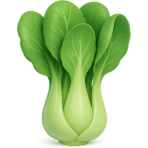
¿Qué col asiática alargada usas?
👆 Click to reveal answer
#6
¿Qué col asiática alargada usas?
What elongated Asian cabbage do you use?
✓ la col napa
💡 Hint: Oblong cabbage used in Asian cooking, milder than regular cabbage
Example: Corto la col napa alargada para hacer kimchi fermentado casero. I cut the elongated napa cabbage to make homemade fermented kimchi.
HARD
wordwalker.ca/flashcards
#7
¿Cómo dices "yes"?
👆 Click to reveal answer
#7
¿Cómo dices "yes"?
✓ sí
💡 Hint: Yes - affirmative, has accent (sí) to distinguish from "si" (if), from Latin "sic"
Example: — ¿Quieres café? — Sí, por favor. — Do you want coffee? — Yes, please.
EASY
wordwalker.ca/flashcards
#8
🥦
¿Qué verdura verde parece un árbol pequeño?
👆 Click to reveal answer
#8
🥦
¿Qué verdura verde parece un árbol pequeño?
What green vegetable looks like a small tree?
✓ el brócoli
💡 Hint: Green florets that look like tiny trees; rich in fiber and vitamins.
Example: Cocino el brócoli al vapor para mantener sus nutrientes. I steam the broccoli to maintain its nutrients.
MEDIUM
wordwalker.ca/flashcards
#9
🤕
¿Qué tienes cuando te duele?
👆 Click to reveal answer
#9
🤕
¿Qué tienes cuando te duele?
What do you have when it hurts?
✓ el dolor
💡 Hint: Pain - "doler" is to hurt, from Latin "dolere" (to suffer)
Example: Sufro dolor en la espalda después de correr. I suffer back pain after running.
EASY
wordwalker.ca/flashcards

📢 Share These Flash Cards

Help others learn Spanish! Share with friends and family:

🎮 Try the WordWalker Game (Learning Spanish for Kids)