














Dog walker character Default walker character

100% Free Forever • No Ads • No Subscriptions • Community Driven

Learn Spanish with free interactive flashcards and audio pronunciation

Multiple Categories

Medical & Emergencies • Accommodation • Recreation • Grammar • Transportation • Numbers, Colors & Time

Choose Categories: (Click group to expand)

🔄 New Shuffle Order
Page 1 of 134 (1200 total flash cards for selected categories)
#1
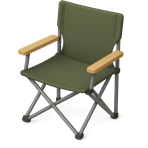
¿Qué silla portátil usas para acampar?
👆 Click to reveal answer
#1
¿Qué silla portátil usas para acampar?
What portable chair do you use for camping?
✓ la silla de camping
💡 Hint: Camping chair - foldable, portable chair for outdoor activities
Example: Llevé mi silla de camping para sentarme junto a la fogata. I brought my camping chair to sit by the campfire.
MEDIUM
wordwalker.ca/flashcards

#2
🔢
¿Cuántos días tiene un par de semanas?
👆 Click to reveal answer
#2
🔢
¿Cuántos días tiene un par de semanas?
How many days are in two weeks?
✓ catorce
💡 Hint: Fourteen - from "cuatro" + "diez
Example: Hay catorce estudiantes en el salón de clase. There are fourteen students in the classroom.
EASY
wordwalker.ca/flashcards
#3
🎂
¿Qué hora ___ cuando saliste? (ser - to be)
👆 Click to reveal answer
#3
🎂
¿Qué hora ___ cuando saliste? (ser - to be)
era
✓ era
💡 Hint: What time was it - Imperfect for telling time in past, always use "ser" imperfect
Example: ¿Qué hora era cuando saliste de casa? What time was it when you left home?
HARD
wordwalker.ca/flashcards
#4
¿Cómo se llama la persona que recibe tratamiento médico?
👆 Click to reveal answer
#4
¿Cómo se llama la persona que recibe tratamiento médico?
What do you call the person who receives medical treatment?
✓ el paciente
💡 Hint: Patient - person receiving medical care, from Latin "patiens" (suffering)
Example: El paciente llegó con dolor agudo en el abdomen. The patient arrived with sharp abdominal pain.
EASY
wordwalker.ca/flashcards
#5
🎯
No creo que él ___ razón. (tener - to have)
👆 Click to reveal answer
#5
🎯
No creo que él ___ razón. (tener - to have)
tenga
✓ tenga
💡 Hint: I don't think he's right - Subjunctive after "no creo que" (negative belief), irregular "tener"
Example: No creo que él tenga razón. I don't think he is right.
HARD
wordwalker.ca/flashcards
#6
📚
Te ___ el libro mañana. (dar - I will give you)
👆 Click to reveal answer
#6
📚
Te ___ el libro mañana. (dar - I will give you)
I will give you the book.
✓ daré
💡 Hint: I will give you the book - "te" is indirect object pronoun, future tense of "dar"
Example: Te daré el libro mañana. I will give you the book tomorrow.
MEDIUM
wordwalker.ca/flashcards
#7
💰
Tengo ___ dinero que tú. (less)
👆 Click to reveal answer
#7
💰
Tengo ___ dinero que tú. (less)
I have less money than you.
✓ menos
💡 Hint: I have less money than you - "menos... que" (less... than)
Example: Tengo menos dinero que mi amigo. I have less money than my friend.
MEDIUM
wordwalker.ca/flashcards
#8
🗨️
Tú ___ español muy bien. (hablar - to speak)
👆 Click to reveal answer
#8
🗨️
Tú ___ español muy bien. (hablar - to speak)
hablas
✓ hablarás
💡 Hint: You will speak - Future: infinitive + -ás for tú, accent on last syllable
Example: Tú hablarás español muy bien pronto. You will speak Spanish very well soon.
MEDIUM
wordwalker.ca/flashcards
#9
¿Qué usas para mover una canoa?
👆 Click to reveal answer
#9
¿Qué usas para mover una canoa?
What do you use to move a canoe?
✓ el remo de canoa
💡 Hint: Canoe paddle - oar used to propel and steer a canoe through water
Example: Usamos el remo de canoa para navegar por el río tranquilamente. We used the canoe paddle to navigate the river peacefully.
MEDIUM
wordwalker.ca/flashcards

📢 Share These Flash Cards

Help others learn Spanish! Share with friends and family:

🎮 Try the WordWalker Game (Learning Spanish for Kids)