









Dog walker character Default walker character

100% Free Forever • No Ads • No Subscriptions • Community Driven

Learn Spanish with free interactive flashcards and audio pronunciation

Multiple Categories

Medical & Emergencies • Accommodation • Grammar • Recreation • Numbers, Colors & Time • Places and Directions

Choose Categories: (Click group to expand)

🔄 New Shuffle Order
Page 1 of 115 (1030 total flash cards for selected categories)
#1
👁️
¿Qué palabra usas para "eyes"?
👆 Click to reveal answer
#1
👁️
¿Qué palabra usas para "eyes"?
What word do you use for 'eyes'?
✓ los ojos
💡 Hint: Eyes - organs of sight, "ojo" is singular
Example: Los ojos me ardieron por el humo. My eyes burned from the smoke.
EASY
wordwalker.ca/flashcards
#2
🔄
No es frío, __ _____: quema.
It's not cold, the opposite: it burns.
👆 Click to reveal answer
#2
🔄
No es frío, __ _____: quema.
✓ al revés
💡 Hint: It's not cold, the opposite: it burns.
Example: No es frío, al revés: quema. It's not cold, on the contrary: it burns.
MEDIUM
wordwalker.ca/flashcards
#3
¿___ es esto? (What is this?)
👆 Click to reveal answer
#3
¿___ es esto? (What is this?)
Qué
✓ qué
💡 Hint: What - asks for definition/identity, has accent in questions, from Latin "quid"
Example: ¿Qué es esto? What is this?
EASY
wordwalker.ca/flashcards
#4
¿Qué dispositivo monitorea el azúcar continuamente?
👆 Click to reveal answer
#4
¿Qué dispositivo monitorea el azúcar continuamente?
What device monitors sugar continuously?
✓ el monitor de glucosa continuo
💡 Hint: Continuous glucose monitor - wearable device for diabetics, CGM in English
Example: El monitor de glucosa continuo avisó una bajada de azúcar. The continuous glucose monitor alerted of a drop in sugar.
HARD
wordwalker.ca/flashcards
#5
🚶
¿Qué actividad es moverse a pie a ritmo normal?
👆 Click to reveal answer
#5
🚶
¿Qué actividad es moverse a pie a ritmo normal?
What activity is moving on foot at a normal pace?
✓ caminar
💡 Hint: Walking - moving on foot at normal pace, good exercise
Example: Me gusta caminar por el parque todas las mañanas. I like to walk in the park every morning.
EASY
wordwalker.ca/flashcards
#6
🪣
¿Qué usan los niños para hacer castillos de arena?
👆 Click to reveal answer
#6
🪣
¿Qué usan los niños para hacer castillos de arena?
What do children use to make sand castles?
✓ el cubo
💡 Hint: Bucket - container for carrying sand and water, shapes sand
Example: Los niños llenaron el cubo con arena mojada. The children filled the bucket with wet sand.
EASY
wordwalker.ca/flashcards
#7
🩺
¿Con qué escucha el doctor tu corazón?
👆 Click to reveal answer
#7
🩺
¿Con qué escucha el doctor tu corazón?
What does the doctor listen to your heart with?
✓ el estetoscopio
💡 Hint: Stethoscope - listens to heart/lungs, from Greek "stethos" (chest) + "skopein" (examine)
Example: El doctor usó el estetoscopio para escuchar mis pulmones. The doctor used the stethoscope to listen to my lungs.
HARD
wordwalker.ca/flashcards
#8
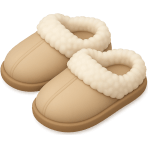
¿Qué calzado cómodo usas dentro de la casa?
👆 Click to reveal answer
#8
¿Qué calzado cómodo usas dentro de la casa?
What comfortable footwear do you wear inside the house?
✓ las pantuflas
💡 Hint: Slippers - soft, comfortable shoes worn indoors
Example: Me pongo las pantuflas cuando llego a casa para estar cómodo. I put on slippers when I get home to be comfortable.
EASY
wordwalker.ca/flashcards
#9
🌤️
Ojalá que ___ buen tiempo mañana. (hacer - I hope)
👆 Click to reveal answer
#9
🌤️
Ojalá que ___ buen tiempo mañana. (hacer - I hope)
I hope the weather is good tomorrow.
✓ haga
💡 Hint: I hope the weather is good tomorrow - "ojalá que" requires subjunctive
Example: Ojalá que haga buen tiempo mañana. I hope the weather is good tomorrow.
HARD
wordwalker.ca/flashcards

📢 Share These Flash Cards

Help others learn Spanish! Share with friends and family:

🎮 Try the WordWalker Game (Learning Spanish for Kids)