














Dog walker character Default walker character

100% Free Forever • No Ads • No Subscriptions • Community Driven

Learn Spanish with free interactive flashcards and audio pronunciation

Multiple Categories

Greetings & Conversations • Plants and Animals • Entertainment • Places and Directions

Choose Categories: (Click group to expand)

🔄 New Shuffle Order
Page 1 of 50 (449 total flash cards for selected categories)
#1
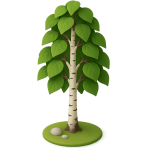
¿Qué árbol tiene corteza blanca?
👆 Click to reveal answer
#1
¿Qué árbol tiene corteza blanca?
What tree has white bark?
✓ el abedul
💡 Hint: Birch tree - distinctive white bark that peels, grows in cold climates
Example: El abedul tiene la corteza blanca muy distintiva. The birch has very distinctive white bark.
MEDIUM
wordwalker.ca/flashcards
#2
🗿
¿Qué arte crea formas tridimensionales?
👆 Click to reveal answer
#2
🗿
¿Qué arte crea formas tridimensionales?
What art creates three-dimensional forms?
✓ la escultura
💡 Hint: Sculpture - 3D art in stone, metal, clay, Michelangelo famous sculptor
Example: La escultura de David de Miguel Ángel es una obra maestra renacentista. Michelangelo's David sculpture is a Renaissance masterpiece.
MEDIUM
wordwalker.ca/flashcards
#3
🌆
¿Qué es el centro de la ciudad?
👆 Click to reveal answer
#3
🌆
¿Qué es el centro de la ciudad?
What is the center of the city?
✓ el centro
💡 Hint: Downtown - "centro histórico" is historic center, main business area
Example: Trabajo en el centro de la ciudad cerca de la plaza mayor. I work in the city center near the main square.
EASY
wordwalker.ca/flashcards
#4
¿Qué mamífero tiene nariz larga?
👆 Click to reveal answer
#4
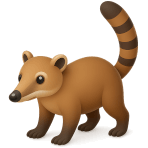
¿Qué mamífero tiene nariz larga?
What mammal has a long nose?
✓ el coatí
💡 Hint: Coati - long snout, ring-tailed, related to raccoons
Example: El coatí baja de los árboles para buscar frutas. The coati comes down from the trees to look for fruits.
HARD
wordwalker.ca/flashcards
#5
🚪
¿Cómo dices "come in"?
👆 Click to reveal answer
#5
🚪
¿Cómo dices "come in"?
✓ pasa
💡 Hint: Come in - "pasa" (pass/come in) informal command, "adelante" also common meaning "go ahead"
Example: Pasa, pasa! La puerta está abierta.
EASY
wordwalker.ca/flashcards
#6
🐠
¿Qué animal vive en el agua?
👆 Click to reveal answer
#6
🐠
¿Qué animal vive en el agua?
What animal lives in water?
✓ el pez
💡 Hint: Fish - aquatic animal, has gills and fins, "pescado" means cooked fish
Example: El pez nada entre los corales del arrecife. The fish swims among the reef corals.
EASY
wordwalker.ca/flashcards
#7
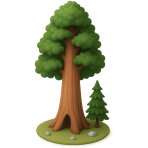
¿Cuál es el árbol más grande del mundo?
👆 Click to reveal answer
#7
¿Cuál es el árbol más grande del mundo?
What is the largest tree in the world?
✓ la secuoya gigante
💡 Hint: Giant sequoia - largest tree by volume, lives thousands of years
Example: La secuoya gigante puede vivir más de tres mil años. The giant sequoia can live more than three thousand years.
MEDIUM
wordwalker.ca/flashcards
#8
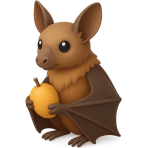
¿Qué murciélago come frutas?
👆 Click to reveal answer
#8
¿Qué murciélago come frutas?
What bat eats fruits?
✓ el murciélago frugívoro
💡 Hint: Fruit bat - eats fruits and nectar, also called flying fox, important pollinator
Example: El murciélago frugívoro come frutas maduras por la noche. The fruit bat eats ripe fruits at night.
MEDIUM
wordwalker.ca/flashcards
#9
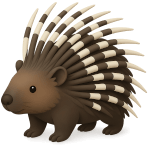
¿Qué animal tiene púas?
👆 Click to reveal answer
#9
¿Qué animal tiene púas?
What animal has quills?
✓ el puercoespín
💡 Hint: Porcupine - covered in sharp quills, defense mechanism
Example: El puercoespín levanta sus púas cuando se siente amenazado. The porcupine raises its quills when it feels threatened.
MEDIUM
wordwalker.ca/flashcards

📢 Share These Flash Cards

Help others learn Spanish! Share with friends and family:

🎮 Try the WordWalker Game (Learning Spanish for Kids)