













Dog walker character Default walker character

100% Free Forever • No Ads • No Subscriptions • Community Driven

Learn Spanish with free interactive flashcards and audio pronunciation

Multiple Categories

Greetings & Conversations • Plants and Animals • Places and Directions • Medical & Emergencies

Choose Categories: (Click group to expand)

🔄 New Shuffle Order
Page 1 of 54 (480 total flash cards for selected categories)
#1
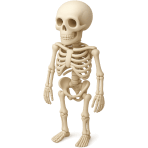
¿Cómo se llama el conjunto de huesos del cuerpo?
👆 Click to reveal answer
#1
¿Cómo se llama el conjunto de huesos del cuerpo?
What do you call the set of bones in the body?
✓ el esqueleto
💡 Hint: Skeleton - framework of bones, adult has 206 bones
Example: En la clase vimos el esqueleto humano completo. In class we saw the complete human skeleton.
MEDIUM
wordwalker.ca/flashcards
#2
🙂
¿Cómo preguntas "how are you feeling?"?
👆 Click to reveal answer
#2
🙂
¿Cómo preguntas "how are you feeling?"?
✓ ¿cómo te sientes?
💡 Hint: How are you feeling? - "sentirse" (to feel oneself), use reflexive verb
Example: ¿Cómo te sientes hoy? ¿Ya estás mejor? How are you feeling today? Are you better now?
MEDIUM
wordwalker.ca/flashcards
#3
🏖️
¿Qué lugar es?
👆 Click to reveal answer
#3
🏖️
¿Qué lugar es?
What place is it?
✓ la playa
💡 Hint: Beach - sandy shore by ocean, popular destination for sun and swimming
Example: En verano vamos a la playa para nadar y tomar el sol. In summer we go to the beach to swim and sunbathe.
EASY
wordwalker.ca/flashcards
#4
📍
¿Dónde estás ahora?
👆 Click to reveal answer
#4
📍
¿Dónde estás ahora?
Where are you now?
✓ aquí
💡 Hint: Here - current location, from Latin "hac" (this way)
Example: Estoy aquí en la plaza esperándote desde hace media hora. I'm here in the square waiting for you for half an hour.
EASY
wordwalker.ca/flashcards
#5
🐊
¿Qué reptil grande vive en pantanos?
👆 Click to reveal answer
#5
🐊
¿Qué reptil grande vive en pantanos?
What large reptile lives in swamps?
✓ el caimán
💡 Hint: Alligator - large reptile, lives in swamps, powerful jaws, from Americas
Example: El caimán descansa en la orilla del pantano. The caiman rests on the edge of the swamp.
MEDIUM
wordwalker.ca/flashcards
#6
🌲
¿Qué árbol es?
👆 Click to reveal answer
#6
🌲
¿Qué árbol es?
What tree is it?
✓ el pino
💡 Hint: Pine tree - evergreen conifer, has needles and cones
Example: El pino siempre tiene hojas verdes, incluso en invierno. The pine always has green leaves, even in winter.
EASY
wordwalker.ca/flashcards
#7
🏙️
¿Qué lugar tiene muchos edificios?
👆 Click to reveal answer
#7
🏙️
¿Qué lugar tiene muchos edificios?
What place has many buildings?
✓ la ciudad
💡 Hint: City - urban area with tall buildings, from Latin "civitas" (citizenship)
Example: La ciudad de Madrid tiene muchos museos y monumentos históricos. The city of Madrid has many museums and historical monuments.
EASY
wordwalker.ca/flashcards
#8
👌
¿Cómo dices "of course"?
👆 Click to reveal answer
#8
👌
¿Cómo dices "of course"?
✓ claro
💡 Hint: Of course - literally "clear
Example: — ¿Puedo usar tu teléfono? — Claro, adelante. — Can I use your phone? — Of course, go ahead.
MEDIUM
wordwalker.ca/flashcards
#9
🏟️
¿Dónde ves deportes?
👆 Click to reveal answer
#9
🏟️
¿Dónde ves deportes?
Where do you watch sports?
✓ el estadio
💡 Hint: Stadium - large sports venue, Camp Nou in Barcelona holds 99,000
Example: Vamos al estadio para ver el partido de fútbol del domingo. We go to the stadium to watch Sunday's soccer match.
EASY
wordwalker.ca/flashcards

📢 Share These Flash Cards

Help others learn Spanish! Share with friends and family:

🎮 Try the WordWalker Game (Learning Spanish for Kids)