














Dog walker character Default walker character

100% Free Forever • No Ads • No Subscriptions • Community Driven

Learn Spanish with free interactive flashcards and audio pronunciation

Multiple Categories

Greetings & Conversations • Plants and Animals • Work and Business • Recreation • Medical & Emergencies

Choose Categories: (Click group to expand)

🔄 New Shuffle Order
Page 1 of 87 (780 total flash cards for selected categories)
#1
🎉
¿Cómo felicitas a alguien?
👆 Click to reveal answer
#1
🎉
¿Cómo felicitas a alguien?
✓ felicidades
💡 Hint: Congratulations - from "feliz" (happy), "felicitaciones" also used, for any celebration or achievement
Example: ¡Felicidades por tu nuevo trabajo! Congratulations on your new job!
EASY
wordwalker.ca/flashcards
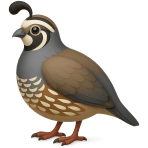
#2
¿Qué ave pequeña es?
👆 Click to reveal answer
#2
¿Qué ave pequeña es?
What small bird is it?
✓ la codorniz
💡 Hint: Quail - small game bird, ground-dwelling, distinctive call
Example: La codorniz corre rápidamente por el campo. The quail runs quickly through the field.
MEDIUM
wordwalker.ca/flashcards
#3
🦈
¿Qué pez grande tiene muchos dientes?
👆 Click to reveal answer
#3
🦈
¿Qué pez grande tiene muchos dientes?
What large fish has many teeth?
✓ el tiburón
💡 Hint: Shark - large predatory fish, multiple rows of teeth, cartilage skeleton
Example: El tiburón nada rápidamente buscando presas en el océano. The shark swims quickly looking for prey in the ocean.
EASY
wordwalker.ca/flashcards
#4
¿Qué máquina cuenta billetes automáticamente?
👆 Click to reveal answer
#4
¿Qué máquina cuenta billetes automáticamente?
What machine counts bills automatically?
✓ la contadora de dinero
💡 Hint: Machine that rapidly counts and verifies paper currency
Example: La contadora de dinero verificó que había 5000 dólares. The money counter verified there were 5000 dollars.
MEDIUM
wordwalker.ca/flashcards
#5
¿Qué árbol tiene ramas que cuelgan?
👆 Click to reveal answer
#5
¿Qué árbol tiene ramas que cuelgan?
What tree has hanging branches?
✓ el sauce
💡 Hint: Willow tree - graceful tree with drooping branches, grows near water
Example: El sauce tiene ramas largas que cuelgan hacia el agua. The willow has long branches that hang toward the water.
MEDIUM
wordwalker.ca/flashcards
#6
¿Qué animal grande pasa el día en el agua?
👆 Click to reveal answer
#6
¿Qué animal grande pasa el día en el agua?
What large animal spends the day in water?
✓ el hipopótamo
💡 Hint: Hippopotamus - large semi-aquatic mammal, spends days in water, very dangerous
Example: El hipopótamo abre su enorme boca para mostrar sus dientes. The hippopotamus opens its huge mouth to show its teeth.
EASY
wordwalker.ca/flashcards
#7
¿Cómo se llama el café que está frío y viejo?
👆 Click to reveal answer
#7
¿Cómo se llama el café que está frío y viejo?
What do you call coffee that is cold and old?
✓ el café pasado
💡 Hint: Coffee that has been sitting too long and lost its freshness
Example: Este café pasado sabe horrible, voy a hacer uno fresco. This stale coffee tastes horrible, I'm going to make a fresh one.
MEDIUM
wordwalker.ca/flashcards
#8
¿Qué práctica protege sistemas informáticos contra ataques digitales?
👆 Click to reveal answer
#8
¿Qué práctica protege sistemas informáticos contra ataques digitales?
What practice protects computer systems against digital attacks?
✓ la ciberseguridad
💡 Hint: Field focused on protecting networks, devices, and data from cyber threats
Example: Nuestra empresa invierte mucho en ciberseguridad. Our company invests heavily in cybersecurity.
HARD
wordwalker.ca/flashcards
#9
🥵
¿Qué haces en un día muy caluroso?
👆 Click to reveal answer
#9
🥵
¿Qué haces en un día muy caluroso?
What do you do on a very hot day?
✓ sudar
💡 Hint: Sweating - body cools itself on hot day, "transpirar" also used
Example: Cuando hace mucho calor, empiezo a sudar rápidamente. When it's very hot, I start to sweat quickly.
EASY
wordwalker.ca/flashcards

📢 Share These Flash Cards

Help others learn Spanish! Share with friends and family:

🎮 Try the WordWalker Game (Learning Spanish for Kids)