












Dog walker character Default walker character

100% Free Forever • No Ads • No Subscriptions • Community Driven

Learn Spanish with free interactive flashcards and audio pronunciation

Multiple Categories

Greetings & Conversations • Medical & Emergencies • Accommodation • Entertainment • Work and Business • Weather & Environment

Choose Categories: (Click group to expand)

🔄 New Shuffle Order
Page 1 of 93 (829 total flash cards for selected categories)
#1
¿Cómo se llama la persona que recibe tratamiento médico?
👆 Click to reveal answer
#1
¿Cómo se llama la persona que recibe tratamiento médico?
What do you call the person who receives medical treatment?
✓ el paciente
💡 Hint: Patient - person receiving medical care, from Latin "patiens" (suffering)
Example: El paciente llegó con dolor agudo en el abdomen. The patient arrived with sharp abdominal pain.
EASY
wordwalker.ca/flashcards
#2
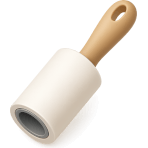
¿Qué usas para quitar pelusa de la ropa?
👆 Click to reveal answer
#2
¿Qué usas para quitar pelusa de la ropa?
What do you use to remove lint from clothes?
✓ el rodillo quitapelusas
💡 Hint: Lint roller - sticky roller that removes lint, hair, and debris from fabric
Example: Paso el rodillo quitapelusas por mi traje negro antes de salir. I run the lint roller over my black suit before leaving.
MEDIUM
wordwalker.ca/flashcards
#3
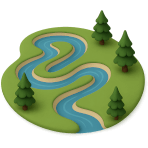
¿Qué es un río que hace muchas curvas?
👆 Click to reveal answer
#3
¿Qué es un río que hace muchas curvas?
What is a river that makes many curves?
✓ río serpenteante
💡 Hint: Meandering river - river with many bends and curves
Example: El río serpenteante cruza el valle con muchas curvas. The meandering river crosses the valley with many curves.
MEDIUM
wordwalker.ca/flashcards
#4
🌀
¿Cómo se llama la tormenta tropical muy grande?
👆 Click to reveal answer
#4
🌀
¿Cómo se llama la tormenta tropical muy grande?
What's the very large tropical storm called?
✓ huracán
💡 Hint: Hurricane - large tropical storm system
Example: El huracán causó muchos daños en la costa. The hurricane caused a lot of damage on the coast.
MEDIUM
wordwalker.ca/flashcards
#5
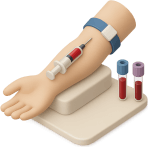
¿Quién saca sangre para análisis?
👆 Click to reveal answer
#5
¿Quién saca sangre para análisis?
Who draws blood for testing?
✓ el flebotomista
💡 Hint: Phlebotomist - specialist in drawing blood, from Greek "phleps" (vein)
Example: El flebotomista extrajo la muestra de sangre rápidamente. The phlebotomist drew the blood sample quickly.
HARD
wordwalker.ca/flashcards
#6
¿Cómo se llama un evento formal elegante?
👆 Click to reveal answer
#6
¿Cómo se llama un evento formal elegante?
What do you call an elegant formal event?
✓ la gala
💡 Hint: Gala - elegant formal event often for charity or celebration with dinner and entertainment
Example: Asistimos a la gala benéfica anual en el hotel de cinco estrellas. We attended the annual charity gala at the five-star hotel.
MEDIUM
wordwalker.ca/flashcards
#7
🅿️
¿Dónde dejas el coche en el hotel?
👆 Click to reveal answer
#7
🅿️
¿Dónde dejas el coche en el hotel?
Where do you leave the car at the hotel?
✓ el estacionamiento
💡 Hint: Parking lot - "aparcamiento" in Spain, "parqueadero" in some regions
Example: Dejé mi auto en el estacionamiento subterráneo del hotel. I left my car in the hotel underground parking.
EASY
wordwalker.ca/flashcards
#8
🌍
¿Cómo preguntas "where are you from?"
👆 Click to reveal answer
#8
🌍
¿Cómo preguntas "where are you from?"
✓ ¿de dónde eres?
💡 Hint: Where are you from? - "de dónde" (from where), "¿de dónde es?" formal usted form
Example: ¿De dónde eres? Tu acento es muy interesante. Where are you from? Your accent is very interesting.
MEDIUM
wordwalker.ca/flashcards
#9
🌫️
¿Qué hay cuando no se ve bien por la mañana?
👆 Click to reveal answer
#9
🌫️
¿Qué hay cuando no se ve bien por la mañana?
What's there when you can't see well in the morning?
✓ niebla
💡 Hint: Fog - reduces visibility, common in mornings
Example: La niebla de la mañana hace difícil ver la carretera. The morning fog makes it difficult to see the road.
EASY
wordwalker.ca/flashcards

📢 Share These Flash Cards

Help others learn Spanish! Share with friends and family:

🎮 Try the WordWalker Game (Learning Spanish for Kids)