









Dog walker character Default walker character

100% Free Forever • No Ads • No Subscriptions • Community Driven

Learn Spanish with free interactive flashcards and audio pronunciation

Multiple Categories

Greetings & Conversations • Grammar • Medical & Emergencies • Places and Directions • Weather & Environment • Work and Business

Choose Categories: (Click group to expand)

🔄 New Shuffle Order
Page 1 of 104 (930 total flash cards for selected categories)
#1
🚨
¿Qué suena cuando hay peligro?
👆 Click to reveal answer
#1
🚨
¿Qué suena cuando hay peligro?
What sounds when there is danger?
✓ la alarma
💡 Hint: Alarm - warning sound, from Italian "allarme" (to arms!)
Example: La alarma sonó y evacuamos el edificio enseguida. The alarm sounded and we evacuated the building immediately.
EASY
wordwalker.ca/flashcards
#2
💦
¿Qué mide la humedad del aire?
👆 Click to reveal answer
#2
💦
¿Qué mide la humedad del aire?
What measures air humidity?
✓ higrómetro
💡 Hint: Hygrometer - measures humidity levels
Example: El higrómetro mide cuánta humedad hay en el aire. The hygrometer measures how much humidity is in the air.
HARD
wordwalker.ca/flashcards
#3
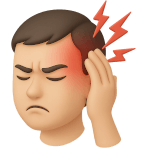
¿Qué dolor sientes en la cabeza?
👆 Click to reveal answer
#3
¿Qué dolor sientes en la cabeza?
What pain do you feel in your head?
✓ el dolor de cabeza
💡 Hint: Headache - pain in the head, "cefalea" is medical term, "jaqueca" is migraine
Example: Tomé un analgésico por el dolor de cabeza intenso. I took a painkiller for the intense headache.
EASY
wordwalker.ca/flashcards
#4
¿Cómo se llama la parte más alta de una montaña?
👆 Click to reveal answer
#4
¿Cómo se llama la parte más alta de una montaña?
What is the highest part of a mountain called?
✓ pico de montaña
💡 Hint: Mountain peak - the summit or highest point
Example: Llegamos al pico de montaña después de tres horas. We reached the mountain peak after three hours.
EASY
wordwalker.ca/flashcards
#5
¿Cómo se llama el café que está frío y viejo?
👆 Click to reveal answer
#5
¿Cómo se llama el café que está frío y viejo?
What do you call coffee that is cold and old?
✓ el café pasado
💡 Hint: Coffee that has been sitting too long and lost its freshness
Example: Este café pasado sabe horrible, voy a hacer uno fresco. This stale coffee tastes horrible, I'm going to make a fresh one.
MEDIUM
wordwalker.ca/flashcards
#6
¿Te ___ temprano? (levantar - do you get up)
👆 Click to reveal answer
#6
¿Te ___ temprano? (levantar - do you get up)
Do you get up early?
✓ levantas
💡 Hint: Do you get up early? - reflexive "levantarse" (to get up), second person
Example: ¿Te levantas temprano los lunes? Do you get up early on Mondays?
MEDIUM
wordwalker.ca/flashcards
#7
¿Dónde se fabrican automóviles en grandes cantidades?
👆 Click to reveal answer
#7
¿Dónde se fabrican automóviles en grandes cantidades?
Where are automobiles manufactured in large quantities?
✓ la fábrica de automóviles
💡 Hint: Industrial facility where cars are assembled on production lines
Example: La fábrica de automóviles produce mil vehículos al día. The automobile factory produces a thousand vehicles a day.
MEDIUM
wordwalker.ca/flashcards
#8
¿Con qué herramienta mides distancias en construcción?
👆 Click to reveal answer
#8
¿Con qué herramienta mides distancias en construcción?
What tool do you use to measure distances in construction?
✓ la cinta métrica
💡 Hint: Flexible measuring tool that extends and retracts; used by carpenters and builders
Example: Usa la cinta métrica para medir la longitud de la pared. Use the measuring tape to measure the length of the wall.
MEDIUM
wordwalker.ca/flashcards
#9
Ojalá que ___ buen tiempo mañana. (hacer - to make/do)
👆 Click to reveal answer
#9
Ojalá que ___ buen tiempo mañana. (hacer - to make/do)
haga
✓ haga
💡 Hint: I hope the weather is good - "Ojalá que" (hopefully) always uses subjunctive, irregular "hacer"
Example: Ojalá que haga buen tiempo mañana. I hope the weather is good tomorrow.
HARD
wordwalker.ca/flashcards

📢 Share These Flash Cards

Help others learn Spanish! Share with friends and family:

🎮 Try the WordWalker Game (Learning Spanish for Kids)