














Dog walker character Default walker character

100% Free Forever • No Ads • No Subscriptions • Community Driven

Learn Spanish with free interactive flashcards and audio pronunciation

Multiple Categories

Greetings & Conversations • Places and Directions • Medical & Emergencies • Plants and Animals • Weather & Environment

Choose Categories: (Click group to expand)

🔄 New Shuffle Order
Page 1 of 70 (630 total flash cards for selected categories)
#1
🏞️
¿Cómo se llama un gran espacio verde público?
👆 Click to reveal answer
#1
🏞️
¿Cómo se llama un gran espacio verde público?
What is a large public green space called?
✓ el parque
💡 Hint: Park - public green space, "jardín" is smaller garden
Example: Los niños juegan en el parque todas las tardes después de la escuela. The children play in the park every afternoon after school.
EASY
wordwalker.ca/flashcards
#2
🪿
¿Qué ave tiene cuello largo y hace "honk"?
👆 Click to reveal answer
#2
🪿
¿Qué ave tiene cuello largo y hace "honk"?
What bird has a long neck and goes 'honk'?
✓ el ganso
💡 Hint: Goose - waterfowl with long neck, honks loudly, can be aggressive
Example: El ganso hace mucho ruido cuando alguien se acerca. The goose makes a lot of noise when someone approaches.
EASY
wordwalker.ca/flashcards
#3
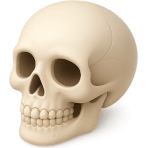
¿Qué hueso protege el cerebro?
👆 Click to reveal answer
#3
¿Qué hueso protege el cerebro?
What bone protects the brain?
✓ el cráneo
💡 Hint: Skull - bones of the head, "calavera" is colloquial
Example: El cráneo protege el cerebro de golpes fuertes. The skull protects the brain from strong blows.
MEDIUM
wordwalker.ca/flashcards
#4
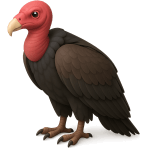
¿Qué ave come animales muertos?
👆 Click to reveal answer
#4
¿Qué ave come animales muertos?
What bird eats dead animals?
✓ el buitre
💡 Hint: Vulture - scavenger bird, bald head, important for ecosystem cleanup
Example: El buitre vuela en círculos buscando animales muertos. The vulture flies in circles looking for dead animals.
EASY
wordwalker.ca/flashcards
#5
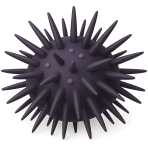
¿Qué animal marino tiene espinas?
👆 Click to reveal answer
#5
¿Qué animal marino tiene espinas?
What marine animal has spines?
✓ el erizo de mar
💡 Hint: Sea urchin - spiny sphere, moves slowly, eats algae
Example: El erizo de mar camina lentamente por el fondo del océano. The sea urchin walks slowly along the ocean floor.
MEDIUM
wordwalker.ca/flashcards
#6
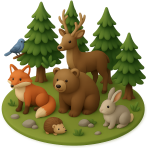
🦌
¿Qué animal tiene cuernos y vive en el bosque?
👆 Click to reveal answer
#6
🦌
¿Qué animal tiene cuernos y vive en el bosque?
What animal has antlers and lives in the forest?
✓ el ciervo
💡 Hint: Deer - graceful animal with antlers, lives in forests and meadows
Example: El ciervo corre rápidamente por el bosque. The deer runs quickly through the forest.
EASY
wordwalker.ca/flashcards
#7
🔙
¿Qué está atrás de ti?
👆 Click to reveal answer
#7
🔙
¿Qué está atrás de ti?
What is behind you?
✓ detrás
💡 Hint: Behind - in back, opposite of "delante" (in front)
Example: El estacionamiento está detrás del edificio principal. The parking lot is behind the main building.
EASY
wordwalker.ca/flashcards
#8
📅
¿Cómo preguntas "what day is today?"
👆 Click to reveal answer
#8
📅
¿Cómo preguntas "what day is today?"
✓ ¿qué día es hoy?
💡 Hint: What day is today? - "día" (day) + "hoy" (today), answer: "hoy es lunes" (today is Monday)
Example: ¿Qué día es hoy? Creo que es miércoles. What day is today? I think it's Wednesday.
MEDIUM
wordwalker.ca/flashcards
#9
🤝
¿Cómo dices "nice to meet you" (formal)?
👆 Click to reveal answer
#9
🤝
¿Cómo dices "nice to meet you" (formal)?
✓ mucho gusto
💡 Hint: Nice to meet you - "mucho gusto" (much pleasure), "mucho" is adverb so doesn't change gender
Example: Mucho gusto, señor Rodríguez. Es un honor conocerlo. Nice to meet you, Mr. Rodriguez. It's an honor to meet you.
EASY
wordwalker.ca/flashcards

📢 Share These Flash Cards

Help others learn Spanish! Share with friends and family:

🎮 Try the WordWalker Game (Learning Spanish for Kids)