














Dog walker character Default walker character

100% Free Forever • No Ads • No Subscriptions • Community Driven

Learn Spanish with free interactive flashcards and audio pronunciation

Multiple Categories

Greetings & Conversations • Work and Business • Plants and Animals • Weather & Environment • Numbers, Colors & Time

Choose Categories: (Click group to expand)

🔄 New Shuffle Order
Page 1 of 78 (700 total flash cards for selected categories)
#1
😊
¿Cómo dices "it was nice seeing you"?
👆 Click to reveal answer
#1
😊
¿Cómo dices "it was nice seeing you"?
✓ fue un placer verte
💡 Hint: It was nice seeing you - "fue" (it was), "un placer" (a pleasure), "verte" (to see you)
Example: Fue un placer verte de nuevo después de tanto tiempo. It was nice seeing you again after so long.
MEDIUM
wordwalker.ca/flashcards

#2
¿Qué mamífero marino usa herramientas?
👆 Click to reveal answer
#2
¿Qué mamífero marino usa herramientas?
What marine mammal uses tools?
✓ la nutria marina
💡 Hint: Sea otter - uses rocks to open shells, floats on back, very playful
Example: La nutria marina flota de espaldas mientras come. The sea otter floats on its back while eating.
MEDIUM
wordwalker.ca/flashcards
#3
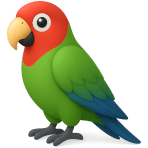
¿Qué ave colorida puede hablar?
👆 Click to reveal answer
#3
¿Qué ave colorida puede hablar?
What colorful bird can talk?
✓ el loro
💡 Hint: Parrot - intelligent bird, mimics human speech, colorful feathers
Example: El loro de mi vecino dice "hola" cuando me ve.
EASY
wordwalker.ca/flashcards
#4
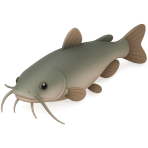
¿Qué pez tiene bigotes?
👆 Click to reveal answer
#4
¿Qué pez tiene bigotes?
What fish has whiskers?
✓ el bagre
💡 Hint: Catfish - has barbels (whiskers), bottom-dwelling fish
Example: El bagre vive en el fondo del río buscando comida. The catfish lives at the bottom of the river searching for food.
MEDIUM
wordwalker.ca/flashcards
#5
¿Qué animal lleva su casa en espiral?
👆 Click to reveal answer
#5
¿Qué animal lleva su casa en espiral?
What animal carries its spiral house?
✓ el caracol
💡 Hint: Snail - moves slowly, carries spiral shell, leaves slime trail
Example: El caracol se mueve lentamente por el jardín. The snail moves slowly through the garden.
EASY
wordwalker.ca/flashcards
#6
¿Cómo dices "I don't understand"?
👆 Click to reveal answer
#6
¿Cómo dices "I don't understand"?
✓ no entiendo
💡 Hint: I don't understand - "entiendo" from "entender
Example: Lo siento, no entiendo. ¿Puedes hablar más despacio? I'm sorry, I don't understand. Can you speak more slowly?
MEDIUM
wordwalker.ca/flashcards
#7
🔢
¿Cuántos días tiene el mes de enero?
👆 Click to reveal answer
#7
🔢
¿Cuántos días tiene el mes de enero?
How many days does the month of January have?
✓ treinta y uno
💡 Hint: Thirty-one - written as three words with "y" (and) connecting them, days in some months
Example: El mes de enero tiene treinta y un días. The month of January has thirty-one days.
MEDIUM
wordwalker.ca/flashcards
#8
👍
¿Cómo dices "okay" o "fine"?
👆 Click to reveal answer
#8
👍
¿Cómo dices "okay" o "fine"?
✓ vale
💡 Hint: Okay/Fine - very common in Spain, Latin America uses "está bien" or "OK
Example: — ¿Nos vemos a las 5? — Vale, perfecto. — Shall we meet at 5? — Okay, perfect.
MEDIUM
wordwalker.ca/flashcards
#9
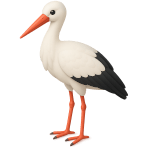
¿Qué ave grande trae bebés en los cuentos?
👆 Click to reveal answer
#9
¿Qué ave grande trae bebés en los cuentos?
What large bird brings babies in stories?
✓ la cigüeña
💡 Hint: Stork - large wading bird, long legs and neck, folklore about babies
Example: La cigüeña construye su nido en lo alto del campanario. The stork builds its nest high on the bell tower.
MEDIUM
wordwalker.ca/flashcards

📢 Share These Flash Cards

Help others learn Spanish! Share with friends and family:

🎮 Try the WordWalker Game (Learning Spanish for Kids)