










Dog walker character Default walker character

100% Free Forever • No Ads • No Subscriptions • Community Driven

Learn Spanish with free interactive flashcards and audio pronunciation

Multiple Categories

Grammar • Transportation • Recreation • Medical & Emergencies • Accommodation • Greetings & Conversations

Choose Categories: (Click group to expand)

🔄 New Shuffle Order
Page 1 of 134 (1200 total flash cards for selected categories)
#1
🚶
Ella ___ más temprano. (salir - to leave)
👆 Click to reveal answer
#1
🚶
Ella ___ más temprano. (salir - to leave)
saldría
✓ saldría
💡 Hint: She would leave - Irregular conditional stem "saldr-" (same as future) + -ía
Example: Ella saldría más temprano si pudiera. She would leave earlier if she could.
HARD
wordwalker.ca/flashcards
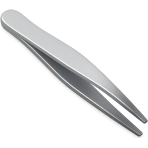
#2
¿Con qué quitan astillas o suturas?
👆 Click to reveal answer
#2
¿Con qué quitan astillas o suturas?
What do they remove splinters or stitches with?
✓ las pinzas
💡 Hint: Tweezers - small gripping tool for removing splinters and stitches
Example: El doctor usó las pinzas para sacar la astilla. The doctor used the tweezers to remove the splinter.
MEDIUM
wordwalker.ca/flashcards
#3
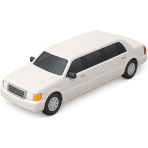
¿Qué coche largo y lujoso se usa para ocasiones especiales?
👆 Click to reveal answer
#3
¿Qué coche largo y lujoso se usa para ocasiones especiales?
What long and luxurious car is used for special occasions?
✓ la limusina
💡 Hint: Limousine - stretched luxury car for special events
Example: Alquilamos una limusina para la boda. We rented a limousine for the wedding.
MEDIUM
wordwalker.ca/flashcards
#4
¿Qué dispositivo ayuda a oír mejor?
👆 Click to reveal answer
#4
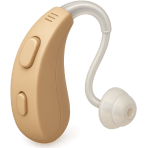
¿Qué dispositivo ayuda a oír mejor?
What device helps you hear better?
✓ el audífono
💡 Hint: Hearing aid - amplifies sound for hearing impaired
Example: Mi abuelo usa el audífono para escuchar la televisión. My grandfather uses the hearing aid to hear the TV.
MEDIUM
wordwalker.ca/flashcards
#5
Mañana te lo doy ___ _____.
I'll give it to you tomorrow for sure.
👆 Click to reveal answer
#5
Mañana te lo doy ___ _____.
✓ sin falta
💡 Hint: I'll give it to you tomorrow for sure.
Example: Mañana te lo doy sin falta. Tomorrow I'll give it to you without fail.
MEDIUM
wordwalker.ca/flashcards
#6
¿Qué órgano te ayuda a respirar?
👆 Click to reveal answer
#6
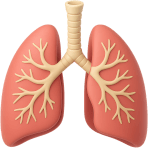
¿Qué órgano te ayuda a respirar?
What organ helps you breathe?
✓ los pulmones
💡 Hint: Lungs - two organs for breathing oxygen, from Latin "pulmo"
Example: Mis pulmones se expandieron profundamente al tomar aire fresco. My lungs expanded deeply when taking fresh air.
MEDIUM
wordwalker.ca/flashcards
#7
📱
¿Qué app pides para transporte privado?
👆 Click to reveal answer
#7
📱
¿Qué app pides para transporte privado?
What app do you request for private transportation?
✓ la app de viajes compartidos
💡 Hint: Rideshare app - Uber, Lyft, Cabify, DiDi in different countries
Example: Uso la app de viajes compartidos para ir al aeropuerto. I use the rideshare app to go to the airport.
MEDIUM
wordwalker.ca/flashcards
#8
¿Cómo se llama la persona que realiza investigaciones científicas?
👆 Click to reveal answer
#8
¿Cómo se llama la persona que realiza investigaciones científicas?
What is the person called who conducts scientific research?
✓ el científico
💡 Hint: Scientist - conducts experiments and research in a laboratory or field
Example: El científico presentó los resultados del estudio clínico. The scientist presented the results of the clinical study.
MEDIUM
wordwalker.ca/flashcards
#9
¿Te ___ temprano? (levantar - do you get up)
👆 Click to reveal answer
#9
¿Te ___ temprano? (levantar - do you get up)
Do you get up early?
✓ levantas
💡 Hint: Do you get up early? - reflexive "levantarse" (to get up), second person
Example: ¿Te levantas temprano los lunes? Do you get up early on Mondays?
MEDIUM
wordwalker.ca/flashcards

📢 Share These Flash Cards

Help others learn Spanish! Share with friends and family:

🎮 Try the WordWalker Game (Learning Spanish for Kids)