













Dog walker character Default walker character

Multiple Categories

Grammar • Plants and Animals • Medical & Emergencies • Greetings & Conversations • People & Relationships

Choose Categories: (Click to add/remove)

🔄 New Shuffle Order
Page 1 of 105 (944 total flash cards)
#1
🛑
¿Cómo dices "that is enough"?
👆 Click to reveal answer
#1
🛑
¿Cómo dices "that is enough"?
✓ eso es suficiente that is enough
💡 Hint: That is enough - "eso" (that), "suficiente" (enough/sufficient), "basta" is stronger "enough!"
Example: Eso es suficiente, gracias. No necesito más. That's enough, thank you. I don't need more.
MEDIUM
wordwalker.ca/flashcards
#2
¿Qué animal marino tiene tentáculos y pica?
👆 Click to reveal answer
#2
¿Qué animal marino tiene tentáculos y pica?
What marine animal has tentacles and stings?
✓ la medusa the jellyfish
💡 Hint: Jellyfish - translucent marine animal, stinging tentacles, drifts with currents
EASY
wordwalker.ca/flashcards
#3
¿Qué especialista estudia venenos?
👆 Click to reveal answer
#3
¿Qué especialista estudia venenos?
What specialist studies poisons?
✓ el toxicólogo the toxicologist
💡 Hint: Toxicologist - studies poisons and toxins, from Greek "toxikon" (poison)
Example: Consultamos al toxicólogo tras la ingestión accidental. We consulted the toxicologist after the accidental ingestion.
HARD
wordwalker.ca/flashcards
#4
¿___ es esto? (What is this?)
👆 Click to reveal answer
#4
¿___ es esto? (What is this?)
Qué
✓ qué what
💡 Hint: What - asks for definition/identity, has accent in questions, from Latin "quid"
EASY
wordwalker.ca/flashcards
#5
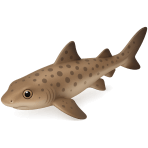
¿Qué pequeño tiburón es?
👆 Click to reveal answer
#5
¿Qué pequeño tiburón es?
What small shark is it?
✓ el cazón the dogfish
💡 Hint: Dogfish - small shark species, commonly used in research
MEDIUM
wordwalker.ca/flashcards
#6
🤕
¿Qué tienes cuando te duele?
👆 Click to reveal answer
#6
🤕
¿Qué tienes cuando te duele?
What do you have when it hurts?
✓ el dolor the pain
💡 Hint: Pain - "doler" is to hurt, from Latin "dolere" (to suffer)
Example: Sufro dolor en la espalda después de correr. I suffer back pain after running.
EASY
wordwalker.ca/flashcards
#7
👣
Nosotros ___ en el parque. (caminar - to walk)
👆 Click to reveal answer
#7
👣
Nosotros ___ en el parque. (caminar - to walk)
We walk in the park.
✓ caminamos we walk
💡 Hint: We walk - -AR verb: remove -ar, add -amos for nosotros, consistent ending
MEDIUM
wordwalker.ca/flashcards
#8
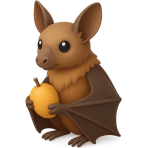
¿Qué murciélago come frutas?
👆 Click to reveal answer
#8
¿Qué murciélago come frutas?
What bat eats fruits?
✓ el murciélago frugívoro the fruit bat
💡 Hint: Fruit bat - eats fruits and nectar, also called flying fox, important pollinator
MEDIUM
wordwalker.ca/flashcards
#9
😢
¿Cómo llamas al sentimiento opuesto de feliz?
👆 Click to reveal answer
#9
😢
¿Cómo llamas al sentimiento opuesto de feliz?
What do you call the opposite feeling of happy?
✓ triste sad
💡 Hint: Sad - unhappy, opposite of "feliz"
Example: Me siento triste porque mi perro está enfermo. I feel sad because my dog is sick.
EASY
wordwalker.ca/flashcards

📢 Share These Flash Cards

Help others learn Spanish! Share with friends and family:

🎮 Try the WordWalker Game (Learning Spanish for Kids)