












Dog walker character Default walker character

100% Free Forever • No Ads • No Subscriptions • Community Driven

Learn Spanish with free interactive flashcards and audio pronunciation

Multiple Categories

Grammar • Plants and Animals • Work and Business • Numbers, Colors & Time • Places and Directions

Choose Categories: (Click group to expand)

🔄 New Shuffle Order
Page 1 of 95 (850 total flash cards for selected categories)
#1
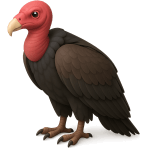
¿Qué ave come animales muertos?
👆 Click to reveal answer
#1
¿Qué ave come animales muertos?
What bird eats dead animals?
✓ el buitre
💡 Hint: Vulture - scavenger bird, bald head, important for ecosystem cleanup
Example: El buitre vuela en círculos buscando animales muertos. The vulture flies in circles looking for dead animals.
EASY
wordwalker.ca/flashcards
#2
⚕️
Él ___ médico. (to be)
👆 Click to reveal answer
#2
⚕️
Él ___ médico. (to be)
He is a doctor.
✓ es
💡 Hint: He is - SER for profession (no article "a/an" in Spanish), permanent occupation
Example: Él es médico en el hospital. He is a doctor at the hospital.
EASY
wordwalker.ca/flashcards
#3
🔢
¿Qué número está exactamente entre cuarenta y cincuenta?
👆 Click to reveal answer
#3
🔢
¿Qué número está exactamente entre cuarenta y cincuenta?
What number is exactly between forty and fifty?
✓ cuarenta y cinco
💡 Hint: Forty-five - three words, 45 minutes is "y cuarenta y cinco" when telling time
Example: El autobús llega en cuarenta y cinco minutos. The bus arrives in forty-five minutes.
MEDIUM
wordwalker.ca/flashcards
#4
¿Qué animal del Ártico tiene colmillos largos?
👆 Click to reveal answer
#4
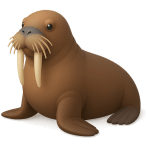
¿Qué animal del Ártico tiene colmillos largos?
What Arctic animal has long tusks?
✓ la morsa
💡 Hint: Walrus - large tusks, thick blubber, lives in Arctic waters
Example: La morsa usa sus colmillos para subir al hielo. The walrus uses its tusks to climb onto the ice.
MEDIUM
wordwalker.ca/flashcards
#5
🦩
¿Qué ave rosada tiene patas largas?
👆 Click to reveal answer
#5
🦩
¿Qué ave rosada tiene patas largas?
What pink bird has long legs?
✓ el flamenco
💡 Hint: Flamingo - pink bird with long legs, stands on one leg, lives near water
Example: El flamenco se para sobre una pata en el agua. The flamingo stands on one leg in the water.
EASY
wordwalker.ca/flashcards
#6
🐨
¿Qué animal duerme mucho en los árboles?
👆 Click to reveal answer
#6
🐨
¿Qué animal duerme mucho en los árboles?
What animal sleeps a lot in trees?
✓ el koala
💡 Hint: Koala - sleeps up to 20 hours, eats eucalyptus, lives in Australia
Example: El koala duerme casi todo el día en los árboles. The koala sleeps almost all day in the trees.
EASY
wordwalker.ca/flashcards
#7
🟢
¿De qué color son las hojas de los árboles en primavera?
👆 Click to reveal answer
#7
🟢
¿De qué color son las hojas de los árboles en primavera?
What color are the leaves of trees in spring?
✓ verde
💡 Hint: Green - no gender change, also means "unripe" (fruta verde), nature and plant color
Example: Me encanta el color verde de los árboles. I love the green color of the trees.
EASY
wordwalker.ca/flashcards
#8
🗣️
__ ___ __ quejarte, haz algo.
Instead of complaining, do something.
👆 Click to reveal answer
#8
🗣️
__ ___ __ quejarte, haz algo.
✓ en vez de
💡 Hint: Instead of complaining, do something.
Example: En vez de quejarte, haz algo. Instead of complaining, do something.
MEDIUM
wordwalker.ca/flashcards
#9
🍷
Tú siempre ___ café por la mañana. (beber - to drink)
👆 Click to reveal answer
#9
🍷
Tú siempre ___ café por la mañana. (beber - to drink)
bebías
✓ bebías
💡 Hint: You used to drink - Imperfect habitual, -ER verb: add -ías for tú, "siempre" = always (habitual)
Example: Tú siempre bebías café por la mañana. You always used to drink coffee in the morning.
MEDIUM
wordwalker.ca/flashcards

📢 Share These Flash Cards

Help others learn Spanish! Share with friends and family:

🎮 Try the WordWalker Game (Learning Spanish for Kids)