












Dog walker character Default walker character

100% Free Forever • No Ads • No Subscriptions • Community Driven

Learn Spanish with free interactive flashcards and audio pronunciation

Multiple Categories

Grammar • Numbers, Colors & Time • Weather & Environment • Accommodation • Transportation • Medical & Emergencies

Choose Categories: (Click group to expand)

🔄 New Shuffle Order
Page 1 of 128 (1150 total flash cards for selected categories)
#1
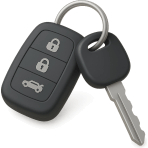
¿Qué usas para arrancar el coche?
👆 Click to reveal answer
#1
¿Qué usas para arrancar el coche?
What do you use to start the car?
✓ las llaves del coche
💡 Hint: Car keys - used to start and lock/unlock vehicle
Example: No puedo encontrar las llaves del coche en mi bolsa. I can't find the car keys in my bag.
EASY
wordwalker.ca/flashcards
#2
🩷
¿De qué color son los flamencos?
👆 Click to reveal answer
#2
🩷
¿De qué color son los flamencos?
What color are flamingos?
✓ rosa
💡 Hint: Pink - same word as "rose" flower, no gender change, light red color
Example: La niña lleva un vestido rosa precioso. The girl is wearing a beautiful pink dress.
EASY
wordwalker.ca/flashcards
#3
🏡
Prefiero que tú ___ aquí. (quedarse - to stay)
👆 Click to reveal answer
#3
🏡
Prefiero que tú ___ aquí. (quedarse - to stay)
te quedes
✓ te quedes
💡 Hint: I prefer you stay - Subjunctive after preference, reflexive verb with subjunctive
Example: Prefiero que te quedes aquí conmigo. I prefer that you stay here with me.
HARD
wordwalker.ca/flashcards
#4
🤝
—Que tengas buen día. —__________.
Have a nice day. —You too.
👆 Click to reveal answer
#4
🤝
—Que tengas buen día. —__________.
✓ igualmente
💡 Hint: Have a nice day. —You too.
Example: —Que tengas buen día. —Igualmente. —Have a good day. —Likewise.
EASY
wordwalker.ca/flashcards
#5
Cuando era niño, yo ___ mucho. (jugar - to play)
👆 Click to reveal answer
#5
Cuando era niño, yo ___ mucho. (jugar - to play)
jugaba
✓ jugaba
💡 Hint: I used to play - Imperfect for habitual past, -AR verb: add -aba for yo, "cuando era niño" = when I was a child
Example: Cuando era niño, yo jugaba fútbol todos los días. When I was a child, I played soccer every day.
MEDIUM
wordwalker.ca/flashcards
#6
🗼
Ella ___ visitado París. (has)
👆 Click to reveal answer
#6
🗼
Ella ___ visitado París. (has)
She has visited Paris.
✓ ha
💡 Hint: She has visited Paris - third person present perfect
Example: Ella ha visitado París dos veces. She has visited Paris twice.
MEDIUM
wordwalker.ca/flashcards
#7
🪒
¿Con qué te afeitas?
👆 Click to reveal answer
#7
🪒
¿Con qué te afeitas?
What do you shave with?
✓ el rastrillo
💡 Hint: Razor - for shaving, "navaja" in Spain, "afeitadora" is electric
Example: Me afeito la barba con el rastrillo todas las mañanas. I shave my beard with the razor every morning.
MEDIUM
wordwalker.ca/flashcards
#8
📅
¿Cuánto tiempo tiene siete días?
👆 Click to reveal answer
#8
📅
¿Cuánto tiempo tiene siete días?
What period of time has seven days?
✓ semana
💡 Hint: Week - seven days, from Latin "septimana" (seven), "fin de semana" is weekend
Example: Este fin de semana vamos a la montaña. This weekend we're going to the mountains.
EASY
wordwalker.ca/flashcards
#9
💯
¿Cuántos centavos hay en un dólar?
👆 Click to reveal answer
#9
💯
¿Cuántos centavos hay en un dólar?
How many cents are in a dollar?
✓ cien
💡 Hint: One hundred - "cien" alone, "ciento" before other numbers (ciento uno), from Latin "centum"
Example: La camisa cuesta cien pesos en la tienda. The shirt costs one hundred pesos at the store.
EASY
wordwalker.ca/flashcards

📢 Share These Flash Cards

Help others learn Spanish! Share with friends and family:

🎮 Try the WordWalker Game (Learning Spanish for Kids)