













Dog walker character Default walker character

100% Free Forever • No Ads • No Subscriptions • Community Driven

Learn Spanish with free interactive flashcards and audio pronunciation

Multiple Categories

Grammar • Greetings & Conversations • People & Relationships • Places and Directions • Plants and Animals

Choose Categories: (Click group to expand)

🔄 New Shuffle Order
Page 1 of 100 (900 total flash cards for selected categories)
#1
🦧
¿Qué primate tiene pelo naranja y vive en los árboles?
👆 Click to reveal answer
#1
🦧
¿Qué primate tiene pelo naranja y vive en los árboles?
What primate has orange fur and lives in trees?
✓ el orangután
💡 Hint: Orangutan - great ape with orange fur, lives in trees, found in Southeast Asia
Example: El orangután pasa la mayor parte de su vida en los árboles. The orangutan spends most of its life in the trees.
EASY
wordwalker.ca/flashcards
#2
👦
¿Cuál es la palabra para "great-grandson"?
👆 Click to reveal answer
#2
👦
¿Cuál es la palabra para "great-grandson"?
What is the word for 'great-grandson'?
✓ el bisnieto
💡 Hint: Great-grandson - grandson of your child, "bis" prefix
Example: Mi bisnieto acaba de nacer y es el primer bebé de esta generación. My great-grandson was just born and is the first baby of this generation.
MEDIUM
wordwalker.ca/flashcards
#3
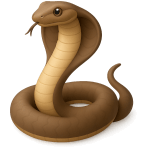
¿Qué serpiente venenosa levanta su capucha?
👆 Click to reveal answer
#3
¿Qué serpiente venenosa levanta su capucha?
What venomous snake raises its hood?
✓ la cobra
💡 Hint: Cobra - venomous snake, spreads hood when threatened, found in Africa and Asia
Example: La cobra levanta su capucha para parecer más grande. The cobra raises its hood to appear larger.
MEDIUM
wordwalker.ca/flashcards
#4
👨‍🎓
Traduce al español: "student" (masculino)
👆 Click to reveal answer
#4
👨‍🎓
Traduce al español: "student" (masculino)
Translate to Spanish: 'student' (masculine)
✓ el estudiante
💡 Hint: Male student - "alumno" is also common
Example: El estudiante hace su tarea en la biblioteca cada tarde. The student does his homework in the library every afternoon.
EASY
wordwalker.ca/flashcards
#5
¿Qué emoción causa llanto?
👆 Click to reveal answer
#5
¿Qué emoción causa llanto?
What emotion causes crying?
✓ la tristeza
💡 Hint: Sadness - feeling of sorrow or unhappiness
Example: La tristeza la invadió cuando su mejor amiga se mudó lejos. Sadness invaded her when her best friend moved far away.
EASY
wordwalker.ca/flashcards
#6
📅
¿Cómo preguntas "what day is today?"
👆 Click to reveal answer
#6
📅
¿Cómo preguntas "what day is today?"
✓ ¿qué día es hoy?
💡 Hint: What day is today? - "día" (day) + "hoy" (today), answer: "hoy es lunes" (today is Monday)
Example: ¿Qué día es hoy? Creo que es miércoles. What day is today? I think it's Wednesday.
MEDIUM
wordwalker.ca/flashcards
#7
🚫
¡No ___ eso! (do - negative tú command)
👆 Click to reveal answer
#7
🚫
¡No ___ eso! (do - negative tú command)
Don't do that!
✓ hagas
💡 Hint: Don't do that! - negative tú command uses subjunctive form
Example: ¡No hagas eso, es peligroso! Don't do that, it's dangerous!
MEDIUM
wordwalker.ca/flashcards
#8
🔨
¿Qué ___ ellos? (hacer - to do)
👆 Click to reveal answer
#8
🔨
¿Qué ___ ellos? (hacer - to do)
están haciendo
✓ están haciendo
💡 Hint: What are they doing - estar + gerund of irregular "hacer" = "haciendo"
Example: ¿Qué están haciendo ellos en el jardín? What are they doing in the garden?
MEDIUM
wordwalker.ca/flashcards
#9
👉
___ __ ___ _____, ayer pasó otra vez.
For example, it happened again yesterday.
👆 Click to reveal answer
#9
👉
___ __ ___ _____, ayer pasó otra vez.
✓ sin ir más lejos
💡 Hint: For example, it happened again yesterday.
Example: Sin ir más lejos, ayer pasó otra vez. Just yesterday, it happened again.
MEDIUM
wordwalker.ca/flashcards

📢 Share These Flash Cards

Help others learn Spanish! Share with friends and family:

🎮 Try the WordWalker Game (Learning Spanish for Kids)