












Dog walker character Default walker character

100% Free Forever • No Ads • No Subscriptions • Community Driven

Learn Spanish with free interactive flashcards and audio pronunciation

Multiple Categories

Grammar • Entertainment • Weather & Environment • Accommodation • Work and Business • Medical & Emergencies

Choose Categories: (Click group to expand)

🔄 New Shuffle Order
Page 1 of 120 (1079 total flash cards for selected categories)
#1
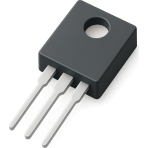
¿Qué componente electrónico amplifica o conmuta señales?
👆 Click to reveal answer
#1
¿Qué componente electrónico amplifica o conmuta señales?
What electronic component amplifies or switches signals?
✓ el transistor
💡 Hint: Semiconductor device fundamental to modern electronics and computing
Example: El transistor es fundamental en todos los circuitos modernos. The transistor is fundamental in all modern circuits.
HARD
wordwalker.ca/flashcards
#2
¿Qué usas para caminar con una pierna lesionada?
👆 Click to reveal answer
#2
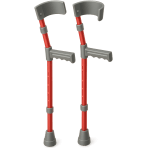
¿Qué usas para caminar con una pierna lesionada?
What do you use to walk with an injured leg?
✓ las muletas
💡 Hint: Crutches - support walking with leg injury, help transfer weight from legs to upper body
Example: Después de la operación, usó las muletas durante meses. After the operation, he used crutches for months.
MEDIUM
wordwalker.ca/flashcards
#3
¿Qué palabra usas para "finger"?
👆 Click to reveal answer
#3
¿Qué palabra usas para "finger"?
What word do you use for "finger"?
✓ el dedo
💡 Hint: Finger - digit of the hand
Example: Me corté el dedo con el papel. I cut my finger with the paper.
EASY
wordwalker.ca/flashcards
#4
🗣️
Es importante que nosotros ___ español. (hablar - to speak)
👆 Click to reveal answer
#4
🗣️
Es importante que nosotros ___ español. (hablar - to speak)
hablemos
✓ hablemos
💡 Hint: It's important that we speak - Subjunctive after "es importante que
Example: Es importante que hablemos español en clase. It's important that we speak Spanish in class.
HARD
wordwalker.ca/flashcards
#5
🍷
¿Dónde tomas bebidas y socializas?
👆 Click to reveal answer
#5
🍷
¿Dónde tomas bebidas y socializas?
Where do you have drinks and socialize?
✓ el bar
💡 Hint: Bar - serves alcoholic and non-alcoholic drinks, social area
Example: Nos encontramos en el bar del hotel para tomar una copa por la noche. We met at the hotel bar to have a drink at night.
EASY
wordwalker.ca/flashcards
#6
🤒
¿Qué tienes cuando hay fiebre?
👆 Click to reveal answer
#6
🤒
¿Qué tienes cuando hay fiebre?
What do you have when there is fever?
✓ la temperatura alta
💡 Hint: High temperature - fever over 38°C/100.4°F, "calentura" colloquial
Example: La temperatura alta indicó que tenía fiebre. The high temperature indicated that I had a fever.
EASY
wordwalker.ca/flashcards
#7
🔢
¿___ años tienes? (How many years do you have?)
👆 Click to reveal answer
#7
🔢
¿___ años tienes? (How many years do you have?)
Cuántos
✓ cuántos
💡 Hint: How many - masculine plural form, "cuánta/cuántas" for feminine, has accent in questions
Example: ¿Cuántos años tienes? How old are you?
MEDIUM
wordwalker.ca/flashcards
#8
¿Cómo se llama la persona que realiza investigaciones científicas?
👆 Click to reveal answer
#8
¿Cómo se llama la persona que realiza investigaciones científicas?
What is the person called who conducts scientific research?
✓ el científico
💡 Hint: Scientist - conducts experiments and research in a laboratory or field
Example: El científico presentó los resultados del estudio clínico. The scientist presented the results of the clinical study.
MEDIUM
wordwalker.ca/flashcards
#9
💔
Él ___ roto el vaso. (has broken)
👆 Click to reveal answer
#9
💔
Él ___ roto el vaso. (has broken)
He has broken the glass.
✓ ha roto
💡 Hint: He has broken the glass - irregular past participle "roto" from "romper"
Example: Él ha roto el vaso por accidente. He has broken the glass by accident.
HARD
wordwalker.ca/flashcards

📢 Share These Flash Cards

Help others learn Spanish! Share with friends and family:

🎮 Try the WordWalker Game (Learning Spanish for Kids)