












Dog walker character Default walker character

100% Free Forever • No Ads • No Subscriptions • Community Driven

Learn Spanish with free interactive flashcards and audio pronunciation

Multiple Categories

Food and Dining • Numbers, Colors & Time • Accommodation • Plants and Animals • Medical & Emergencies

Choose Categories: (Click group to expand)

🔄 New Shuffle Order
Page 1 of 126 (1130 total flash cards for selected categories)
#1
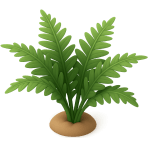
¿Qué planta verde tiene hojas en forma de pluma?
👆 Click to reveal answer
#1
¿Qué planta verde tiene hojas en forma de pluma?
What green plant has feather-shaped leaves?
✓ el helecho
💡 Hint: Fern - ancient plant, feathery fronds, reproduces by spores, grows in shade
Example: El helecho crece bien en lugares sombreados y húmedos. The fern grows well in shady, humid places.
MEDIUM
wordwalker.ca/flashcards
#2
🍰
¿Qué comes después del plato principal?
👆 Click to reveal answer
#2
🍰
¿Qué comes después del plato principal?
What do you eat after the main course?
✓ el postre
💡 Hint: Dessert - sweet ending to meal
Example: Ordeno el postre de tiramisú para terminar la comida. I order the tiramisu dessert to finish the meal.
EASY
wordwalker.ca/flashcards
#3
¿Qué bebida caliente tomas por la mañana?
👆 Click to reveal answer
#3
¿Qué bebida caliente tomas por la mañana?
What hot drink do you have in the morning?
✓ el café
💡 Hint: Hot, caffeinated drink often served as espresso, americano, or latte.
Example: Tomo el café negro bien caliente cada mañana. I drink the hot black coffee every morning.
EASY
wordwalker.ca/flashcards
#4
🍄
¿Qué hongo comestible crece en bosques?
👆 Click to reveal answer
#4
🍄
¿Qué hongo comestible crece en bosques?
What edible fungus grows in forests?
✓ la seta
💡 Hint: Edible wild mushroom; “seta” is a generic term for mushrooms.
Example: Recojo la seta fresca del bosque para cocinar con ajo y perejil. I pick the fresh mushroom from the forest to cook with garlic and parsley.
MEDIUM
wordwalker.ca/flashcards
#5
¿Qué chocolate blanco dulce comes?
👆 Click to reveal answer
#5
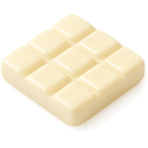
¿Qué chocolate blanco dulce comes?
What sweet white chocolate do you eat?
✓ la barra de chocolate blanco
💡 Hint: Sweet confection made from cocoa butter, milk, and sugar
Example: Derrito la barra de chocolate blanco para hacer postres cremosos. I melt the white chocolate bar to make creamy desserts.
MEDIUM
wordwalker.ca/flashcards
#6
¿Qué parte del árbol está bajo tierra?
👆 Click to reveal answer
#6
¿Qué parte del árbol está bajo tierra?
What part of the tree is underground?
✓ las raíces
💡 Hint: Roots - anchor tree, absorb water and nutrients from soil
Example: Las raíces del árbol absorben agua del suelo. The tree roots absorb water from the soil.
EASY
wordwalker.ca/flashcards
#7
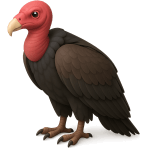
¿Qué ave come animales muertos?
👆 Click to reveal answer
#7
¿Qué ave come animales muertos?
What bird eats dead animals?
✓ el buitre
💡 Hint: Vulture - scavenger bird, bald head, important for ecosystem cleanup
Example: El buitre vuela en círculos buscando animales muertos. The vulture flies in circles looking for dead animals.
EASY
wordwalker.ca/flashcards
#8
🍳
¿Cómo se preparan los huevos en sartén?
👆 Click to reveal answer
#8
🍳
¿Cómo se preparan los huevos en sartén?
How are eggs prepared in a pan?
✓ fritos
💡 Hint: "Freír" = to fry. "Huevos fritos" are very common in Spain
Example: Preparo los huevos fritos con aceite de oliva en el sartén. I prepare the fried eggs with olive oil in the pan.
MEDIUM
wordwalker.ca/flashcards
#9
🦧
¿Qué primate tiene pelo naranja y vive en los árboles?
👆 Click to reveal answer
#9
🦧
¿Qué primate tiene pelo naranja y vive en los árboles?
What primate has orange fur and lives in trees?
✓ el orangután
💡 Hint: Orangutan - great ape with orange fur, lives in trees, found in Southeast Asia
Example: El orangután pasa la mayor parte de su vida en los árboles. The orangutan spends most of its life in the trees.
EASY
wordwalker.ca/flashcards

📢 Share These Flash Cards

Help others learn Spanish! Share with friends and family:

🎮 Try the WordWalker Game (Learning Spanish for Kids)