













Dog walker character Default walker character

100% Free Forever • No Ads • No Subscriptions • Community Driven

Learn Spanish with free interactive flashcards and audio pronunciation

Multiple Categories

Food and Dining • Work and Business • Recreation • Greetings & Conversations • Entertainment • People & Relationships

Choose Categories: (Click group to expand)

🔄 New Shuffle Order
Page 1 of 139 (1249 total flash cards for selected categories)
#1
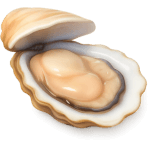
¿En qué marisco encuentras perlas?
👆 Click to reveal answer
#1
¿En qué marisco encuentras perlas?
In what seafood do you find pearls?
✓ la ostra
💡 Hint: Shellfish sometimes containing pearls; eaten raw or cooked.
Example: Abro la ostra fresca y la como cruda con limón. I open the fresh oyster and eat it raw with lemon.
HARD
wordwalker.ca/flashcards

#2
¿Qué verdura asiática tiene hojas verdes y tallos blancos?
👆 Click to reveal answer
#2
¿Qué verdura asiática tiene hojas verdes y tallos blancos?
What Asian vegetable has green leaves and white stems?
✓ el bok choy
💡 Hint: Chinese cabbage with white stems and dark green leaves
Example: Salteo el bok choy fresco con ajo en el wok caliente. I sauté fresh bok choy with garlic in the hot wok.
HARD
wordwalker.ca/flashcards
#3
🍱
¿Qué caja japonesa tiene comida variada?
👆 Click to reveal answer
#3
🍱
¿Qué caja japonesa tiene comida variada?
What Japanese box has varied food?
✓ el bento
💡 Hint: Bento box - Japanese lunch box with varied food compartments, also called "obento"
Example: Preparo el bento con arroz, pescado y vegetales para el almuerzo. I prepare the bento with rice, fish, and vegetables for lunch.
MEDIUM
wordwalker.ca/flashcards
#4
🍩
¿Qué dulce redondo tiene agujero?
👆 Click to reveal answer
#4
🍩
¿Qué dulce redondo tiene agujero?
What round candy has a hole?
✓ la dona
💡 Hint: Round fried dough with a hole; glazed or dusted with sugar.
Example: Compro la dona glaseada en la cafetería todas las mañanas. I buy the glazed donut at the coffee shop every morning.
EASY
wordwalker.ca/flashcards
#5
¿Qué fruta asiática tiene cáscara rugosa?
👆 Click to reveal answer
#5
¿Qué fruta asiática tiene cáscara rugosa?
What Asian fruit has rough skin?
✓ el lichi
💡 Hint: Tropical fruit with bumpy red shell and sweet white flesh
Example: Pelo el lichi para revelar la pulpa blanca dulce y jugosa. I peel the lychee to reveal the sweet, juicy white flesh.
HARD
wordwalker.ca/flashcards
#6
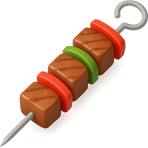
¿Qué brocheta de carne asas?
👆 Click to reveal answer
#6
¿Qué brocheta de carne asas?
What meat skewer do you grill?
✓ el shish kebab
💡 Hint: Meat and vegetables grilled on skewers, Middle Eastern dish
Example: Preparo el shish kebab con carne de cordero y vegetales. I prepare the shish kebab with lamb meat and vegetables.
MEDIUM
wordwalker.ca/flashcards
#7
🥘
¿Qué restaurante sirve paella?
👆 Click to reveal answer
#7
🥘
¿Qué restaurante sirve paella?
What restaurant serves paella?
✓ restaurante español
💡 Hint: Spanish restaurant
Example: Visito el restaurante español para probar la paella valenciana auténtica. I visit the Spanish restaurant to try authentic Valencian paella.
MEDIUM
wordwalker.ca/flashcards
#8
¿Qué sientes cuando quieres lo que otro tiene?
👆 Click to reveal answer
#8
¿Qué sientes cuando quieres lo que otro tiene?
What do you feel when you want what another has?
✓ la envidia
💡 Hint: Envy - feeling of discontent at another's advantages or possessions
Example: La envidia es un sentimiento destructivo que no nos deja ser felices. Envy is a destructive feeling that doesn't let us be happy.
MEDIUM
wordwalker.ca/flashcards
#9
🤷
¿Cómo dices "I don't know"?
👆 Click to reveal answer
#9
🤷
¿Cómo dices "I don't know"?
✓ no sé
💡 Hint: I don't know - "no sé" from "saber" (to know facts), not "conocer" (to know people/places)
Example: No sé dónde está mi teléfono. I don't know where my phone is.
EASY
wordwalker.ca/flashcards

📢 Share These Flash Cards

Help others learn Spanish! Share with friends and family:

🎮 Try the WordWalker Game (Learning Spanish for Kids)