















Dog walker character Default walker character

100% Free Forever • No Ads • No Subscriptions • Community Driven

Learn Spanish with free interactive flashcards and audio pronunciation

Multiple Categories

Weather & Environment • Plants and Animals • Places and Directions • Medical & Emergencies • Greetings & Conversations

Choose Categories: (Click group to expand)

🔄 New Shuffle Order
Page 1 of 70 (630 total flash cards for selected categories)
#1
¿Dónde el mar deja conchas y algas?
👆 Click to reveal answer
#1
¿Dónde el mar deja conchas y algas?
Where does the sea leave shells and seaweed?
✓ línea de marea
💡 Hint: Tide line - where high tide reaches on beach
Example: Encontramos conchas en la línea de marea. We found shells on the tide line.
MEDIUM
wordwalker.ca/flashcards
#2
🦍
¿Qué primate grande tiene brazos muy largos?
👆 Click to reveal answer
#2
🦍
¿Qué primate grande tiene brazos muy largos?
What big primate has very long arms?
✓ el gorila
💡 Hint: Gorilla - largest primate, endangered, knuckle-walks, very strong
Example: El gorila vive en grupos familiares en África. The gorilla lives in family groups in Africa.
MEDIUM
wordwalker.ca/flashcards
#3
🌱
¿Qué es la fotosíntesis?
👆 Click to reveal answer
#3
🌱
¿Qué es la fotosíntesis?
What is photosynthesis?
✓ plantas producen oxígeno
💡 Hint: Photosynthesis - plants make oxygen from sunlight
Example: Las plantas producen oxígeno que los animales respiran. Plants produce oxygen that animals breathe.
MEDIUM
wordwalker.ca/flashcards
#4
🌙
¿Qué dices cuando es de noche?
👆 Click to reveal answer
#4
🌙
¿Qué dices cuando es de noche?
✓ buenas noches
💡 Hint: Good night - works as greeting after sunset AND farewell before sleep
Example: ¡Buenas noches! Que descanses bien. Good night! Rest well.
EASY
wordwalker.ca/flashcards
#5
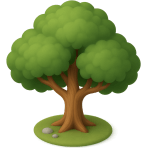
¿Qué árbol fuerte produce bellotas?
👆 Click to reveal answer
#5
¿Qué árbol fuerte produce bellotas?
What strong tree produces acorns?
✓ el roble
💡 Hint: Oak tree - strong hardwood tree, produces acorns, symbol of strength
Example: El roble es un árbol fuerte que puede vivir cientos de años. The oak is a strong tree that can live for hundreds of years.
EASY
wordwalker.ca/flashcards
#6
🐠
¿Qué animal vive en el agua?
👆 Click to reveal answer
#6
🐠
¿Qué animal vive en el agua?
What animal lives in water?
✓ el pez
💡 Hint: Fish - aquatic animal, has gills and fins, "pescado" means cooked fish
Example: El pez nada entre los corales del arrecife. The fish swims among the reef corals.
EASY
wordwalker.ca/flashcards
#7
🌹
¿Qué flor es?
👆 Click to reveal answer
#7
🌹
¿Qué flor es?
What flower is it?
✓ la rosa
💡 Hint: Rose - classic romantic flower, has thorns, symbol of love
Example: La rosa roja es un símbolo clásico del amor. The red rose is a classic symbol of love.
EASY
wordwalker.ca/flashcards
#8
¿Qué estructura retiene el agua de un río?
👆 Click to reveal answer
#8
¿Qué estructura retiene el agua de un río?
What structure holds back river water?
✓ presa
💡 Hint: Dam - barrier built across river to control water flow
Example: La presa almacena agua para la ciudad. The dam stores water for the city.
EASY
wordwalker.ca/flashcards
#9
🪸
¿Qué organismo marino forma arrecifes?
👆 Click to reveal answer
#9
🪸
¿Qué organismo marino forma arrecifes?
What marine organism forms reefs?
✓ el coral
💡 Hint: Coral - marine organism, forms reefs, provides habitat for fish
Example: El coral forma arrecifes donde viven muchos peces. Coral forms reefs where many fish live.
EASY
wordwalker.ca/flashcards

📢 Share These Flash Cards

Help others learn Spanish! Share with friends and family:

🎮 Try the WordWalker Game (Learning Spanish for Kids)