












Dog walker character Default walker character

100% Free Forever • No Ads • No Subscriptions • Community Driven

Learn Spanish with free interactive flashcards and audio pronunciation

Multiple Categories

Weather & Environment • People & Relationships • Work and Business • Transportation • Plants and Animals

Choose Categories: (Click group to expand)

🔄 New Shuffle Order
Page 1 of 103 (920 total flash cards for selected categories)
#1
😴
En español, ¿qué es "tired"?
👆 Click to reveal answer
#1
😴
En español, ¿qué es "tired"?
In Spanish, what is 'tired'?
✓ cansado
💡 Hint: Tired - exhausted, from "cansar"
Example: Estoy muy cansado después de trabajar todo el día. I'm very tired after working all day.
EASY
wordwalker.ca/flashcards

#2
¿Qué ecosistema marino tiene algas gigantes?
👆 Click to reveal answer
#2
¿Qué ecosistema marino tiene algas gigantes?
What marine ecosystem has giant algae?
✓ el bosque de algas marinas
💡 Hint: Kelp forest - underwater ecosystem, tall brown algae, rich biodiversity
Example: El bosque de algas marinas alberga miles de especies diferentes. The kelp forest is home to thousands of different species.
HARD
wordwalker.ca/flashcards
#3
😤
La palabra española para "patient" es...
👆 Click to reveal answer
#3
😤
La palabra española para "patient" es...
The Spanish word for 'patient' is...
✓ paciente
💡 Hint: Patient - can wait calmly, opposite of impatient
Example: Mi madre es muy paciente cuando nos enseña cosas nuevas. My mother is very patient when she teaches us new things.
MEDIUM
wordwalker.ca/flashcards
#4
🏔️
¿Dónde nacen los ríos?
👆 Click to reveal answer
#4
🏔️
¿Dónde nacen los ríos?
Where do rivers originate?
✓ en las montañas
💡 Hint: Mountains - rivers start from high elevations
Example: Los ríos nacen en las montañas donde hay nieve. Rivers originate in the mountains where there is snow.
MEDIUM
wordwalker.ca/flashcards
#5
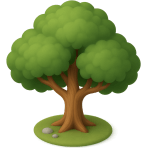
¿Qué árbol fuerte produce bellotas?
👆 Click to reveal answer
#5
¿Qué árbol fuerte produce bellotas?
What strong tree produces acorns?
✓ el roble
💡 Hint: Oak tree - strong hardwood tree, produces acorns, symbol of strength
Example: El roble es un árbol fuerte que puede vivir cientos de años. The oak is a strong tree that can live for hundreds of years.
EASY
wordwalker.ca/flashcards
#6
🌊
¿Qué pasa cuando llueve mucho?
👆 Click to reveal answer
#6
🌊
¿Qué pasa cuando llueve mucho?
What happens when it rains a lot?
✓ inundación
💡 Hint: Flood - too much water, areas submerged
Example: La inundación cubrió las calles de agua. The flood covered the streets with water.
EASY
wordwalker.ca/flashcards
#7
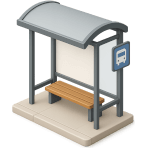
¿Dónde esperas el autobús con techo?
👆 Click to reveal answer
#7
¿Dónde esperas el autobús con techo?
Where do you wait for the bus with a roof?
✓ la parada de autobús cubierta
💡 Hint: Bus shelter - covered waiting area that protects from weather
Example: Me resguardé de la lluvia en la parada de autobús cubierta. I sheltered from the rain in the covered bus stop.
MEDIUM
wordwalker.ca/flashcards
#8
👩‍👧
En español, ¿qué es "sister"?
👆 Click to reveal answer
#8
👩‍👧
En español, ¿qué es "sister"?
In Spanish, what is 'sister'?
✓ la hermana
💡 Hint: Sister - "hermano" is brother, same family
Example: Mi hermana trabaja como enfermera en el hospital. My sister works as a nurse at the hospital.
EASY
wordwalker.ca/flashcards
#9
🦛
¿Qué animal grande vive en ríos africanos?
👆 Click to reveal answer
#9
🦛
¿Qué animal grande vive en ríos africanos?
What large animal lives in African rivers?
✓ el hipopótamo
💡 Hint: Hippopotamus - large river animal, semi-aquatic, powerful jaws, lives in Africa
Example: El hipopótamo pasa la mayor parte del día en el agua. The hippopotamus spends most of the day in the water.
EASY
wordwalker.ca/flashcards

📢 Share These Flash Cards

Help others learn Spanish! Share with friends and family:

🎮 Try the WordWalker Game (Learning Spanish for Kids)